 English
 Français
 Español
 عربى
عربىDescription: The MINGTUO 12kV Indoor Vacuum Circuit Breaker (VCB) is specifically designe...


Vacuum Circuit Breakers Manufacturers
-
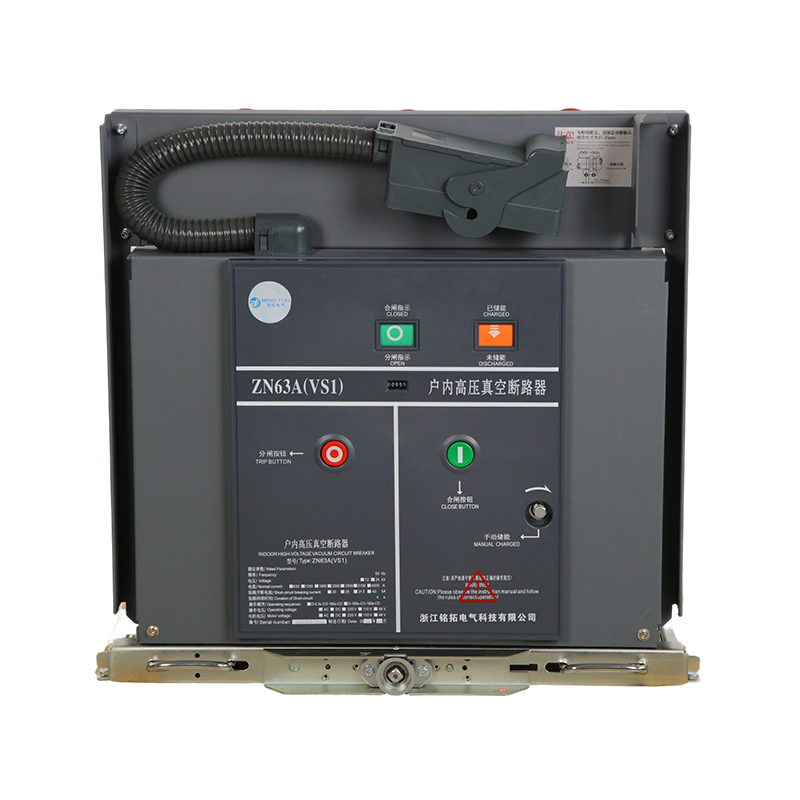 VS1 Medium-Voltage Indoor Vacuum Circuit Breaker 12kV 1250A for MV Switchgear
 -
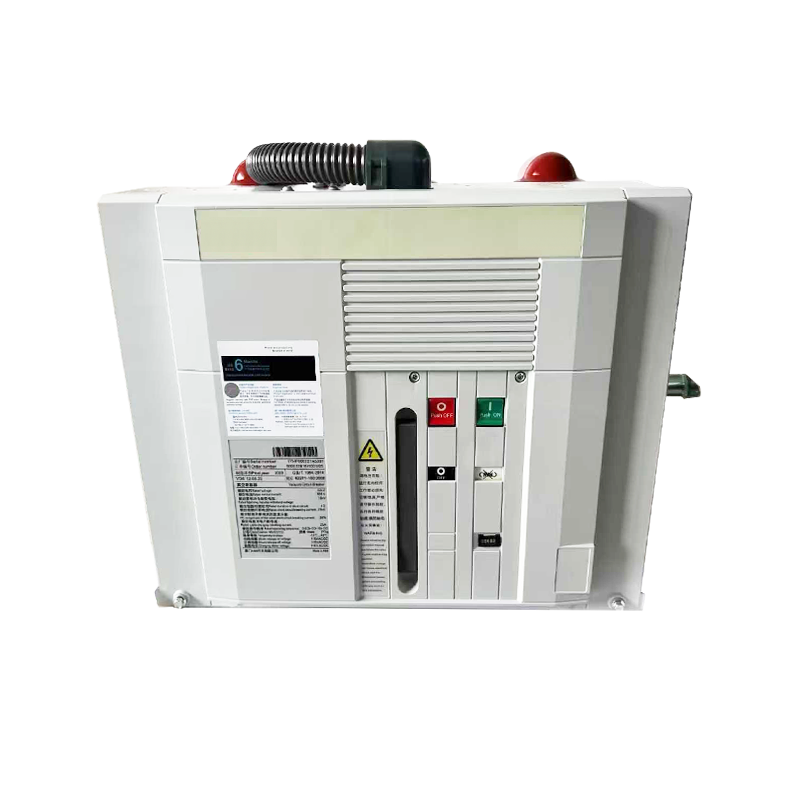 VD4 12kV Medium-Voltage Indoor Vacuum Circuit Breaker, 630A–1250A
Description: The MINGTUO VD4 12kV Vacuum Circuit Breaker (VCB) is a medium-voltage indoor ...
-
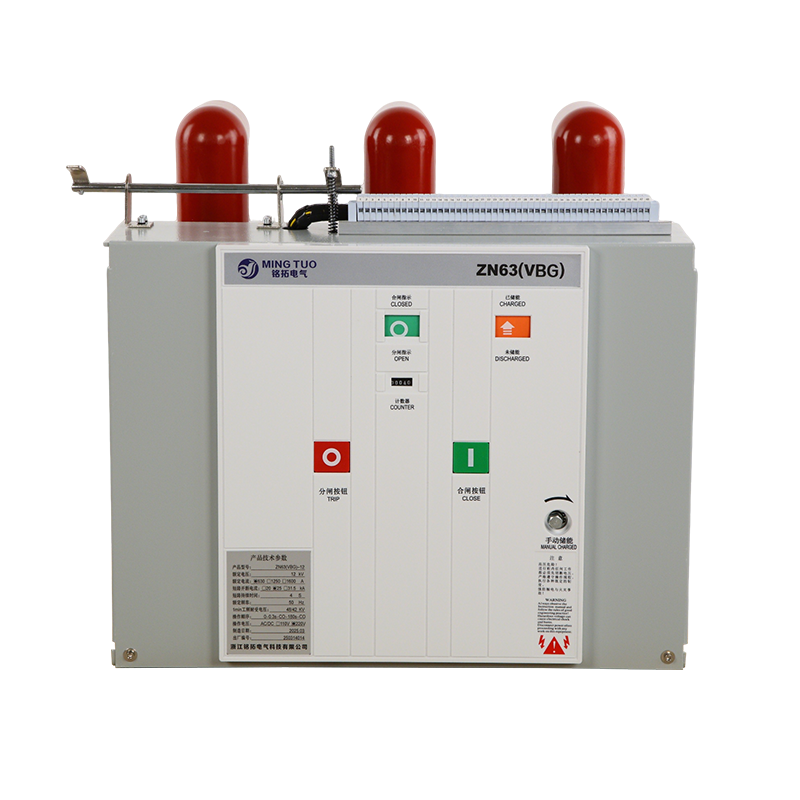 VS1 12kV Medium-Voltage Indoor Drawout Vacuum Circuit Breaker, 31.5kA
Description: The MINGTUO 12kV Indoor Vacuum Circuit Breaker (VCB) is specifically designe...
-
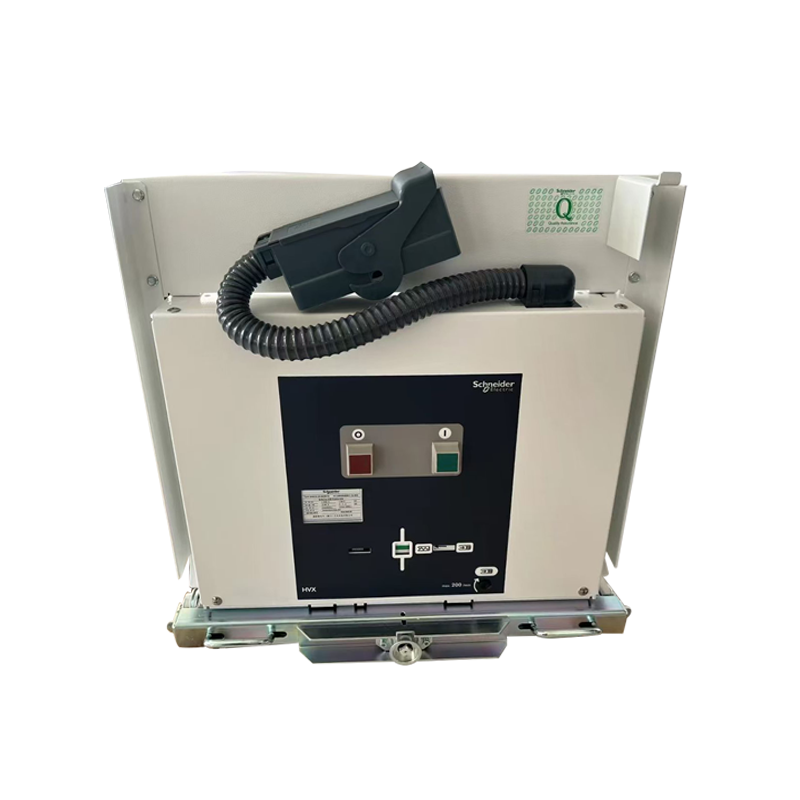 MTHVX 12kV Medium-Voltage Indoor Vacuum Circuit Breaker, 630A–1250A
Description: The MINGTUO 12kV Indoor Vacuum Circuit Breaker (VCB) is specifically designe...
-
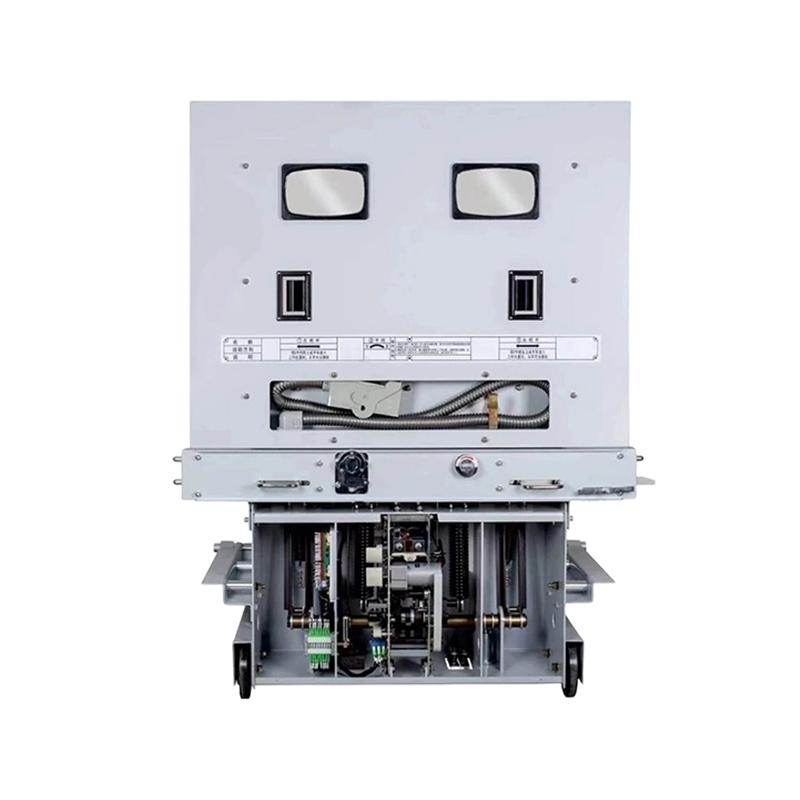 ZN85 12kV Outdoor Vacuum Circuit Breaker, 630A, Pole-Mounted
Description: The MINGTUO ZN85 12kV Outdoor Vacuum Circuit Breaker (VCB) is a high-perform...
-
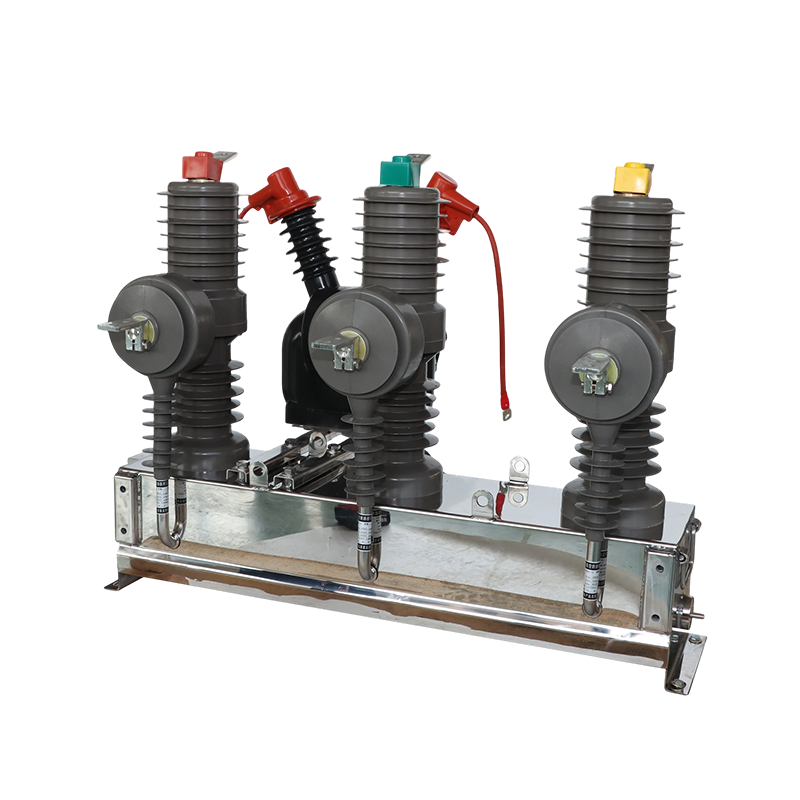 ZW32 Outdoor Vacuum Circuit Breaker for Pole-Mounted Medium Voltage Distribution
Description: ZW32 vacuum circuit breaker is applied outdoors and is generally installed at...
-
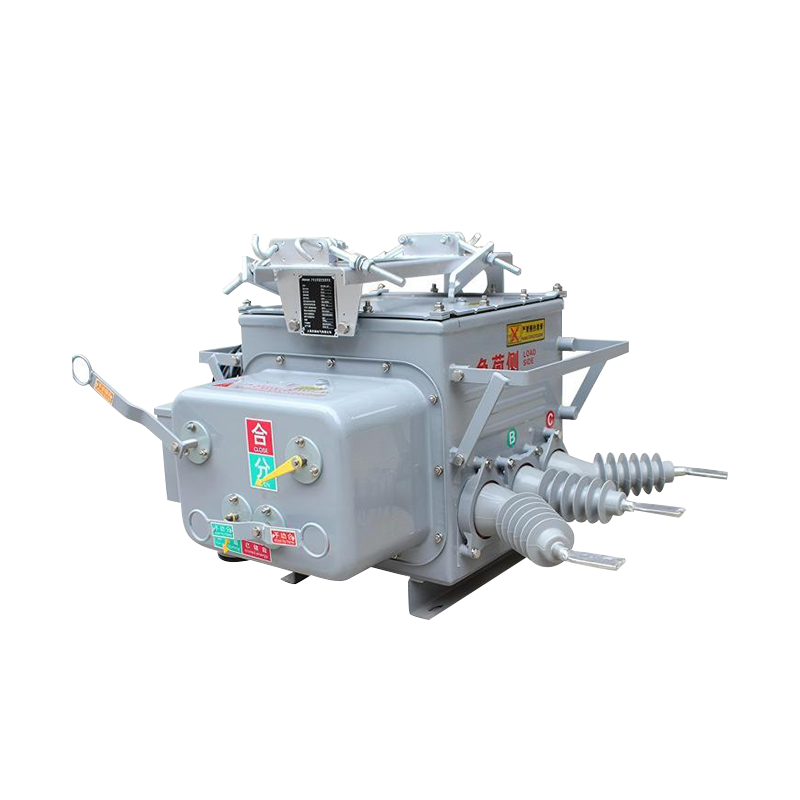 ZW20 Outdoor Vacuum Circuit Breaker for Pole-Mounted Medium Voltage Distribution
Description: This product is a 12kV high-voltage vacuum circuit breaker designed specifica...
-
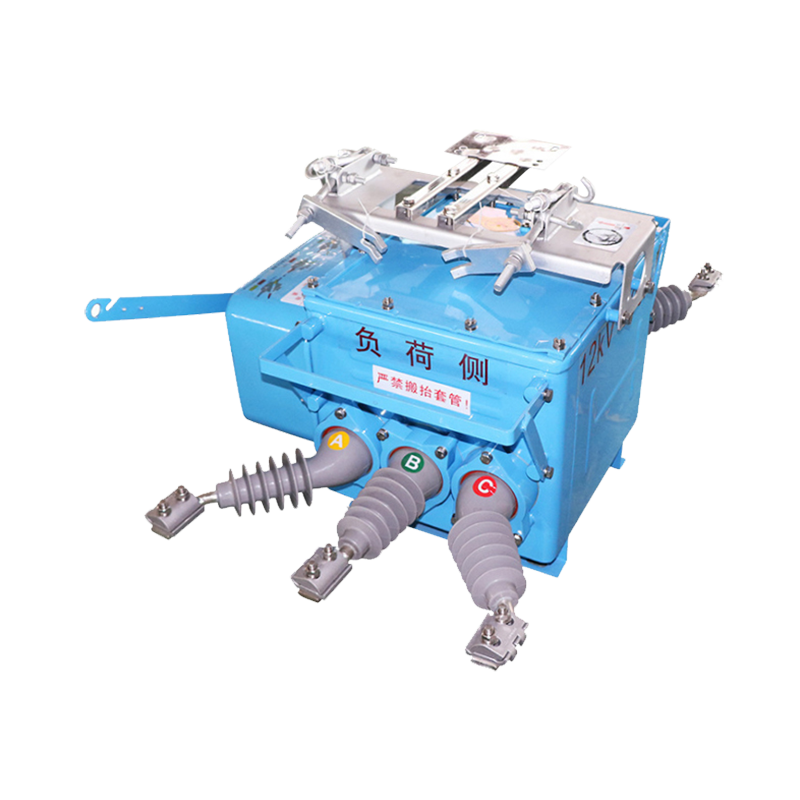 ZW28 Outdoor Vacuum Circuit Breaker for Pole-Mounted Medium Voltage Distribution
Description: ZW28 vacuum circuit breaker is applied outdoors and is generally installed at...
MingTuo Vacuum Circuit Breakers deliver high-performance protection for indoor and outdoor medium-voltage distribution systems. Featuring vacuum arc extinguishing technology, they offer excellent insulation, stable switching, and minimal maintenance. With copper-silver contacts, reliable operation mechanisms, and intelligent control options, these breakers quickly isolate faults to safeguard equipment and ensure system continuity. Suitable for substations, industrial plants, commercial buildings, and outdoor distribution networks.
Message Feedback
About Us
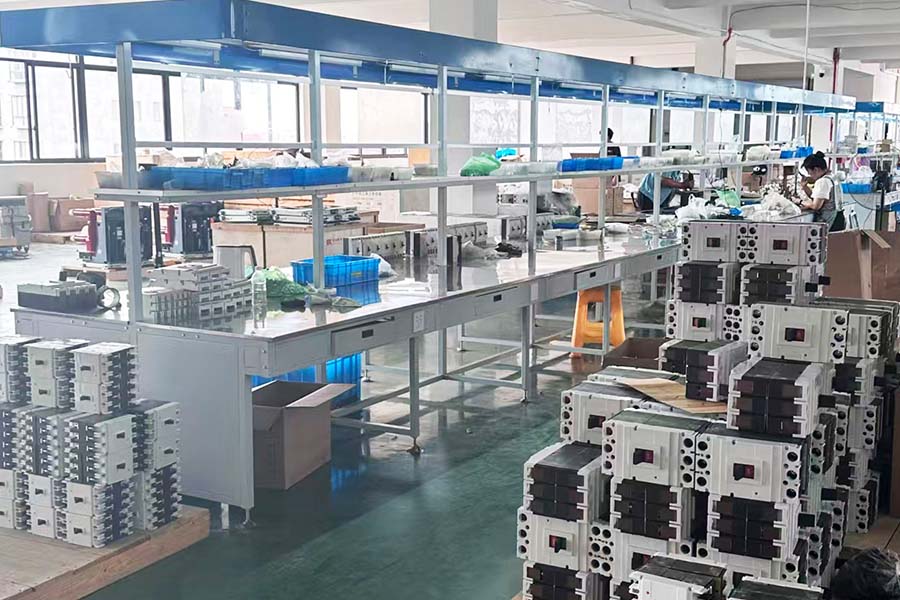
Zhejiang Mingtuo Electrical Technology Co., Ltd.
Zhejiang Mingtuo Electrical Technology Co., Ltd. is a technology-driven enterprise specializing in the research, development, and manufacturing of low-voltage and medium-voltage circuit breakers. Leveraging Liushi's comprehensive electrical industry chain and local advantages, we provide reliable and safe electrical protection products along with customized solutions for global industrial, commercial, and residential power distribution systems.
OEM/ODM Vacuum Circuit Breakers Manufacturers and VCB Breakers Factory in China. Our products are exported to over 30 countries worldwide, including Europe, the Middle East, Southeast Asia, and Africa. Our diverse clientele encompasses power distribution cabinet manufacturers, engineering contractors/EPC firms, electrical distributors and agents, system integrators, and OEM customers. We provide our partners with a comprehensive one-stop service, spanning from technical support, solution alignment, and prototype development to mass production delivery. Custom VCB Circuit Breakers.
We are committed to becoming a trusted electrical protection partner for global customers through professional engineering capabilities, consistent manufacturing quality, and flexible customization services.
OEM/ODM Vacuum Circuit Breakers Manufacturers and VCB Breakers Factory in China. Our products are exported to over 30 countries worldwide, including Europe, the Middle East, Southeast Asia, and Africa. Our diverse clientele encompasses power distribution cabinet manufacturers, engineering contractors/EPC firms, electrical distributors and agents, system integrators, and OEM customers. We provide our partners with a comprehensive one-stop service, spanning from technical support, solution alignment, and prototype development to mass production delivery. Custom VCB Circuit Breakers.
We are committed to becoming a trusted electrical protection partner for global customers through professional engineering capabilities, consistent manufacturing quality, and flexible customization services.
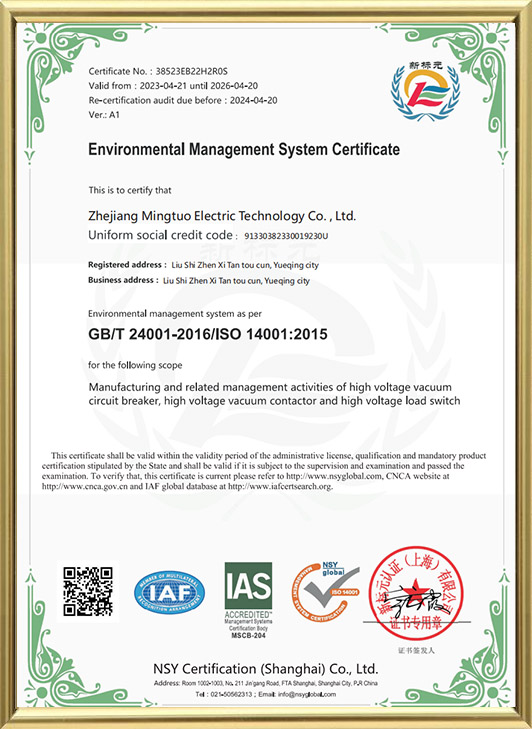
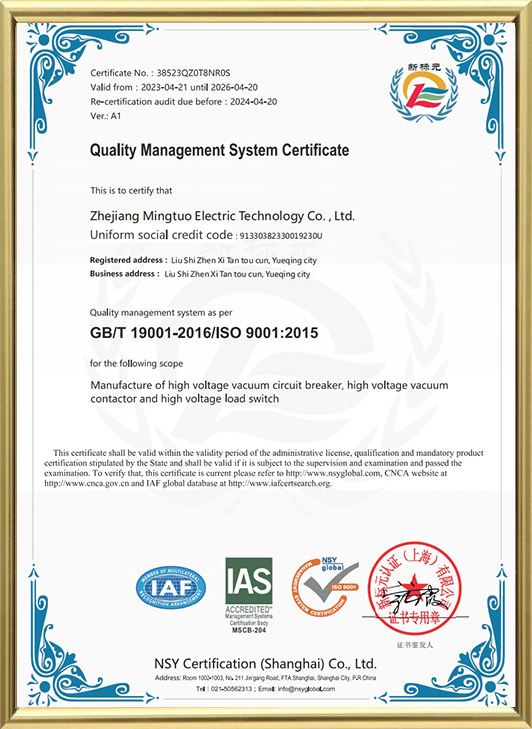
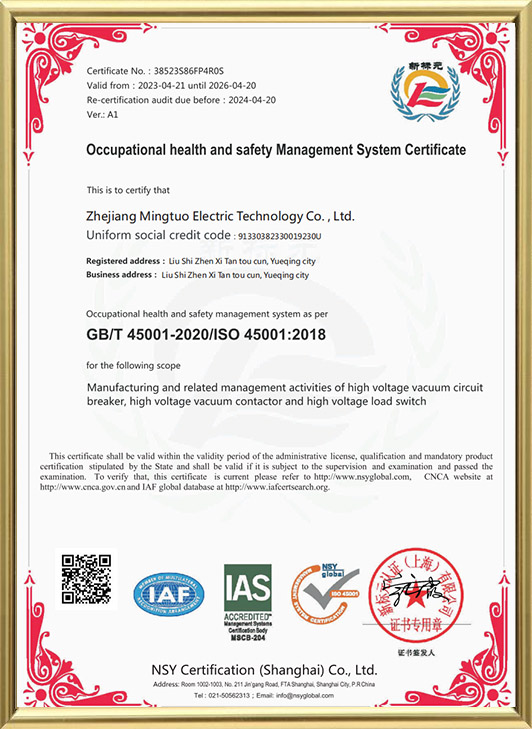
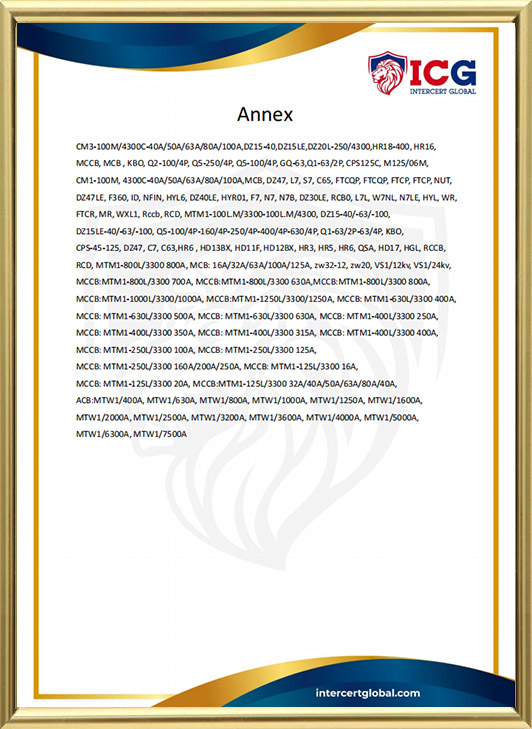
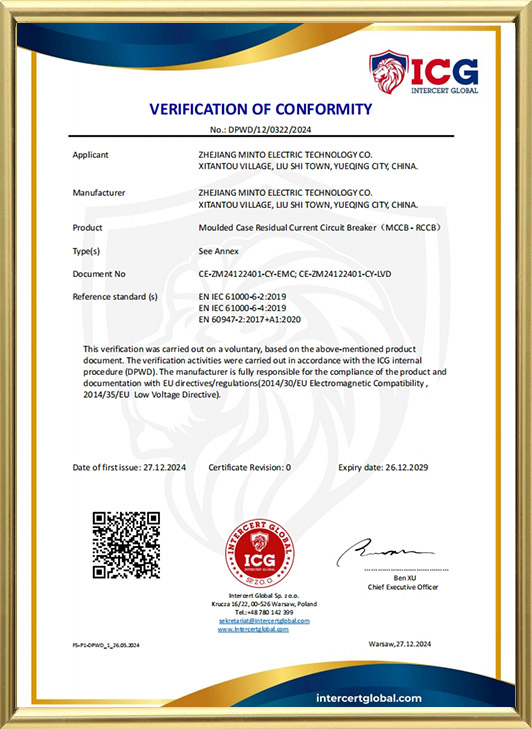
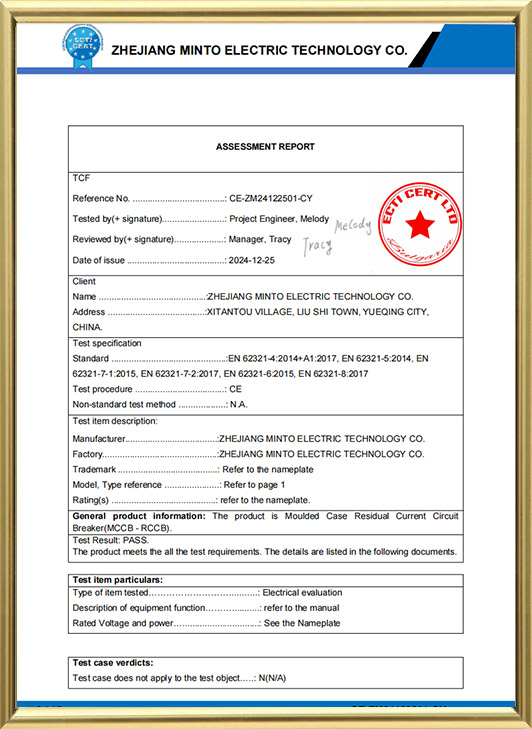
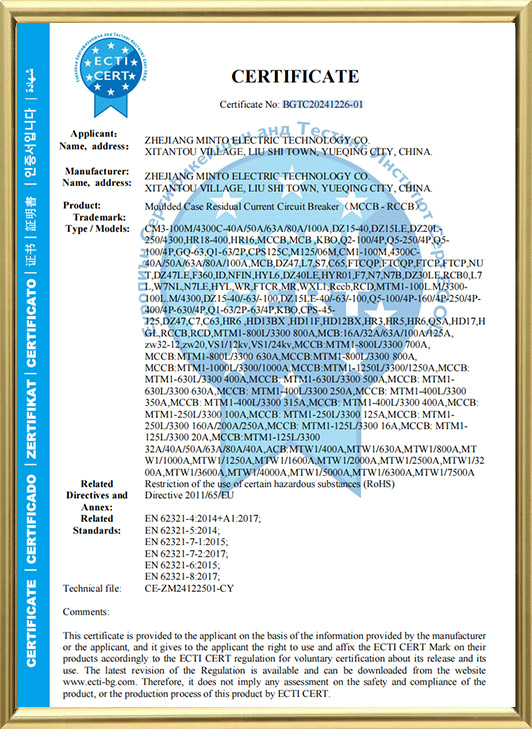
Certificate
News
-
Picture a rooftop photovoltaic array feeding a battery storage system. A faulty connection inside a combiner box starts to overheat, and the direct current keeps flowing with no safe way to stop it. A DC miniature circuit breaker (DC MCB) is the component that interrupts that current automatically,...
Read More -
When a maintenance engineer opens a distribution panel and sees an MCCB with terminals marked 1, 3, 5 and 2, 4, 6, the molded case circuit breaker diagram is what makes the wiring safe to understand. In short, an MCCB diagram tells you where the incoming and outgoing connections go, which internal ...
Read More -
Inside a 1000 V photovoltaic combiner box, the fault current never passes through the natural zero that alternating current reaches every half cycle. An AC breaker clears most faults because the current collapses periodically; a DC breaker receives no such assistance. That is why a DC molded case c...
Read More
Industry knowledge
Arc Extinguishing Behavior in Vacuum Circuit Breakers During High Fault Currents
Vacuum circuit breakers rely on a sealed vacuum interrupter to extinguish the electric arc generated when contacts separate under load or fault conditions. Unlike air or gas-based interruption systems, the vacuum environment contains extremely few particles that can sustain ionization. When the contacts open, the arc that briefly forms is quickly diffused and extinguished as metal vapor condenses on surrounding surfaces. This characteristic allows vacuum circuit breakers to interrupt high fault currents while maintaining compact interrupter dimensions.
The arc duration inside a vacuum interrupter is typically limited to a very short period of time, often within the first current zero point of the alternating current waveform. Because the vacuum prevents continuous plasma formation, the arc rapidly collapses once the current crosses zero. This mechanism significantly reduces contact erosion compared with other interruption technologies. For medium-voltage distribution systems where frequent switching or fault interruption may occur, this behavior helps maintain stable electrical performance across long operational cycles.
Structural Factors Affecting Arc Interruption Performance
- Contact geometry influences arc rotation and distribution, preventing concentrated heat damage on a single surface.
- Copper-silver contact materials improve conductivity while maintaining resistance to arc erosion.
- High-quality vacuum sealing ensures the interrupter maintains stable dielectric strength throughout its service life.
- Precise mechanical synchronization between the operating mechanism and contact movement ensures correct opening speed during fault interruption.
Manufacturers such as Zhejiang Mingtuo Electrical Technology Co., Ltd. integrate these design principles into VCB development. By combining precision manufacturing with engineering research, companies in Liushi's electrical manufacturing cluster are able to deliver interrupters with consistent performance for medium-voltage distribution systems used in industrial and commercial infrastructure.
Mechanical Operating Mechanisms and Switching Stability
The mechanical operating mechanism of a vacuum circuit breaker directly influences switching speed, contact pressure, and operational reliability. When a breaker receives a trip signal, stored mechanical energy within the operating mechanism releases instantly, separating the contacts inside the vacuum interrupter. The precision of this movement is essential because even small variations in opening speed or contact pressure can affect arc behavior and overall interruption capability.
In medium-voltage distribution networks, VCB Circuit Breakers may operate under both fault conditions and routine switching cycles. Substation feeder lines, industrial equipment power supplies, and distribution transformers may require repeated switching operations during maintenance or load management procedures. A stable operating mechanism ensures consistent mechanical timing during every operation, which prevents premature wear on internal components and maintains predictable protection performance.
Important Performance Indicators for Operating Mechanisms
| Performance Factor | Operational Role | Impact on System Reliability |
| Opening speed | Determines how quickly contacts separate during a fault | Faster separation reduces arc duration and thermal stress |
| Contact pressure | Maintains stable electrical conduction during closed operation | Prevents overheating and improves current carrying stability |
| Mechanical endurance | Represents the number of switching cycles the mechanism can perform | Supports long-term operation in frequently switched distribution systems |
| Synchronization accuracy | Ensures all phases operate simultaneously | Reduces mechanical imbalance and electrical stress |
Reliable operating mechanisms combined with copper-silver contacts and stable interrupter design allow modern vacuum circuit breakers to maintain consistent switching performance in demanding medium-voltage environments.
Intelligent Control and Monitoring in Medium-Voltage Protection Systems
Medium-voltage distribution networks increasingly incorporate digital monitoring and automation technologies. Vacuum circuit breakers can be equipped with intelligent control modules that collect operational data, monitor electrical parameters, and transmit information to supervisory control systems. These capabilities allow operators to analyze load conditions and quickly detect abnormal electrical behavior before it develops into system faults.
In substations, industrial plants, and commercial distribution networks, intelligent monitoring helps maintenance teams understand how frequently a breaker operates, how fault currents develop, and whether switching performance remains within expected limits. This information supports predictive maintenance strategies that reduce unexpected equipment downtime and improve overall power system stability.
Operational Advantages of Intelligent Vacuum Circuit Breakers
- Real-time monitoring of current and operational status improves system visibility for facility operators.
- Fault recording functions simplify troubleshooting after short-circuit or overload events.
- Remote control capability allows switching operations to be performed safely from control rooms.
- Integration with smart grid or energy management platforms supports advanced distribution system control.
MingTuo vacuum circuit breakers are designed to support these modern operational requirements in both indoor and outdoor medium-voltage distribution systems. With vacuum arc extinguishing technology, durable copper-silver contacts, and intelligent control options, these breakers isolate faults rapidly while maintaining stable system operation. Zhejiang Mingtuo Electrical Technology Co., Ltd. focuses on the development and manufacturing of reliable circuit protection equipment, combining engineering expertise with Liushi's well-established electrical industry chain to provide dependable solutions for substations, industrial plants, commercial buildings, and outdoor power distribution networks.
Zhejiang Mingtuo Electrical Technology Co., Ltd. All Rights Reserved.
OEM/ODM Vacuum Circuit Breakers Manufacturers Custom VCB Circuit Breakers Factory
