 English
 Français
 Español
 عربى
Industry News
Home / News / Industry News / Miniature Circuit Breakers Explained: Types, Ratings, and Selection Guide


Content
A miniature circuit breaker (MCB) is a compact automatic switch that protects an electrical circuit from overload and short circuit. You will find it inside consumer units, distribution boards, control panels, and small commercial installations. Instead of waiting for a fuse to melt or a wire to overheat, an MCB trips, opens the circuit, and can be reset once the fault is cleared. That simple action is why the device has become the default final circuit protection in modern low-voltage systems. At Mingtuo Electric, we manufacture protective equipment for low- and medium-voltage distribution, and we often explain the MCB as the small device at the end of the chain—the one closest to the cable, the socket, or the load.
An MCB is a mechanical switching device designed to make, carry, and break currents under normal conditions, and to interrupt abnormal currents such as overloads and short circuits. It is usually DIN-rail mounted, modular in width, and available in single-pole, two-pole, three-pole, and four-pole versions. The “miniature” part refers to its compact physical size and its place in final circuit protection, not to a lower safety standard.
A typical MCB protects lighting, socket outlets, small motors, heaters, and control circuits. It is not a main switchboard device for every application, and it is not a substitute for an RCD or RCBO where residual current protection is required. But in the right place, it provides fast, repeatable protection with a visible contact position and a simple reset.
Most MCBs combine two protection mechanisms in one compact body. The thermal element responds to overloads, while the magnetic element responds to short circuits.
A bimetal strip carries the load current. When a sustained overload heats the strip, it bends and releases the latch. This is inverse-time protection: a small overload may take minutes, while a larger one trips faster. It protects cables and equipment from slow heating.
A coil or solenoid responds to very high current. On a short circuit, the magnetic field moves the plunger almost instantly, releasing the same latch. This is the fast trip that limits damage.
When contacts open, an arc forms. The arc is driven into a splitter plate stack, cooled, stretched, and extinguished. Good arc control is why a small device can safely interrupt a substantial fault current. After the fault is removed, the handle resets the mechanism. Some models include a trip indicator, and the handle may sit in a middle position after automatic operation.
An MCB is not chosen by physical size alone. The label carries the information that decides whether it will protect the circuit correctly.
| Marking | What it tells you | Example |
|---|---|---|
| Rated current (In) | The continuous current the device is designed to carry | 16 A |
| Trip curve | The magnetic trip range and load type suitability | B, C, or D |
| Rated voltage | The system voltage for which the device is rated | 230/400 V AC |
| Breaking capacity | The maximum short-circuit current it can safely interrupt | 6 kA |
| Number of poles | How many conductors the device switches and protects | 1P, 2P, 3P, 4P |
For example, C16 means a C curve and a 16 A rated current. A 6 kA breaking capacity is common in domestic boards, while higher values may be needed near a transformer or in heavy commercial distribution. Always confirm the manufacturer’s data for the specific series and the installation rules that apply on site.
Trip curve describes the magnetic response. It should match the load’s inrush current and the cable’s protection needs.
Pole options include 1P, 1P+N, 2P, 3P, 3P+N, and 4P. A single-pole device switches only the phase; a two-pole device switches phase and neutral or two phases. The choice depends on the earthing system, isolation requirements, and local wiring rules.
| Device | Main role | Typical range | Reset |
|---|---|---|---|
| MCB | Final circuit overload and short-circuit protection | Up to about 125 A | Manual |
| MCCB | Feeder, motor, and larger distribution protection | Wide low-voltage range | Manual |
| RCD | Residual current protection; no overcurrent protection by itself | Common in low-voltage boards | Manual |
| RCBO | Combined overcurrent and residual current protection | Usually final circuits | Manual |
An MCB protects against overcurrent. An RCD protects people and equipment from earth leakage. An RCBO combines both. Do not use an MCB as a substitute for an RCD, and do not assume that a higher breaking capacity alone makes a device suitable. The protection function, the load, and the earthing arrangement must all match.
MCBs are common in final distribution boards, but the exact application changes the specification.
In practice, most MCB problems are selection problems, not device failures. A breaker that trips too often may be undersized, grouped with the wrong load, or exposed to an inrush current that its curve cannot tolerate.
Selection is not only about the breaker; it is about the cable, the supply, and the fault level. A well-matched MCB protects the cable without nuisance tripping, while a poorly matched one may leave the installation vulnerable or make the circuit unreliable.
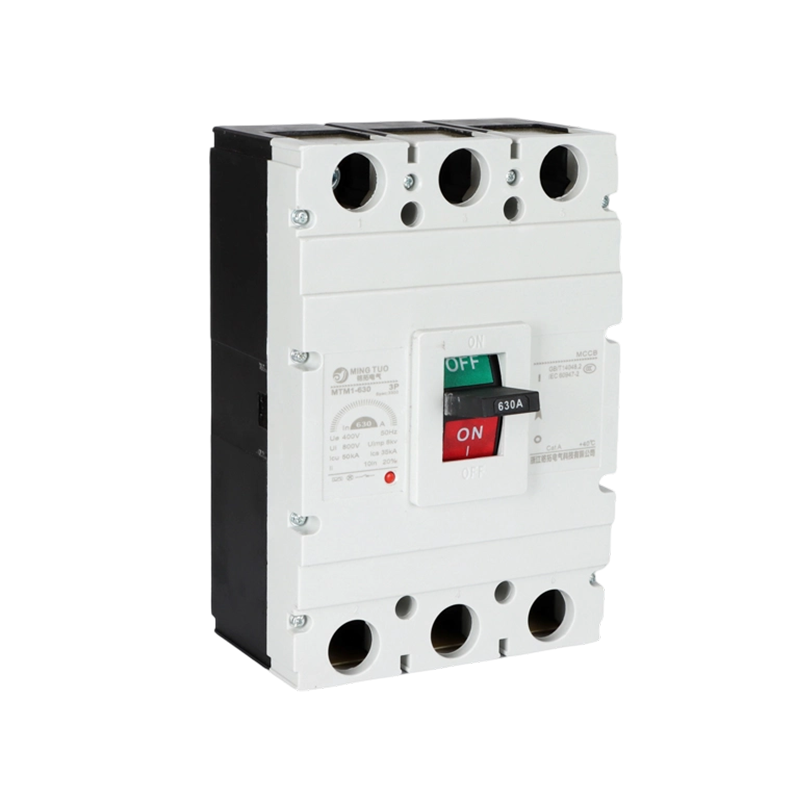
An MCB is excellent for final circuits, but it has practical limits. As current ratings rise, or when adjustable protection and higher breaking capacity are needed, a molded case circuit breaker becomes more suitable. MCCBs are used for feeder protection, motor circuits, and main distribution in commercial and industrial buildings. At Mingtuo Electric, our low-voltage range includes molded case circuit breakers for these duties, and our team can help match a frame size and trip characteristic to the application.
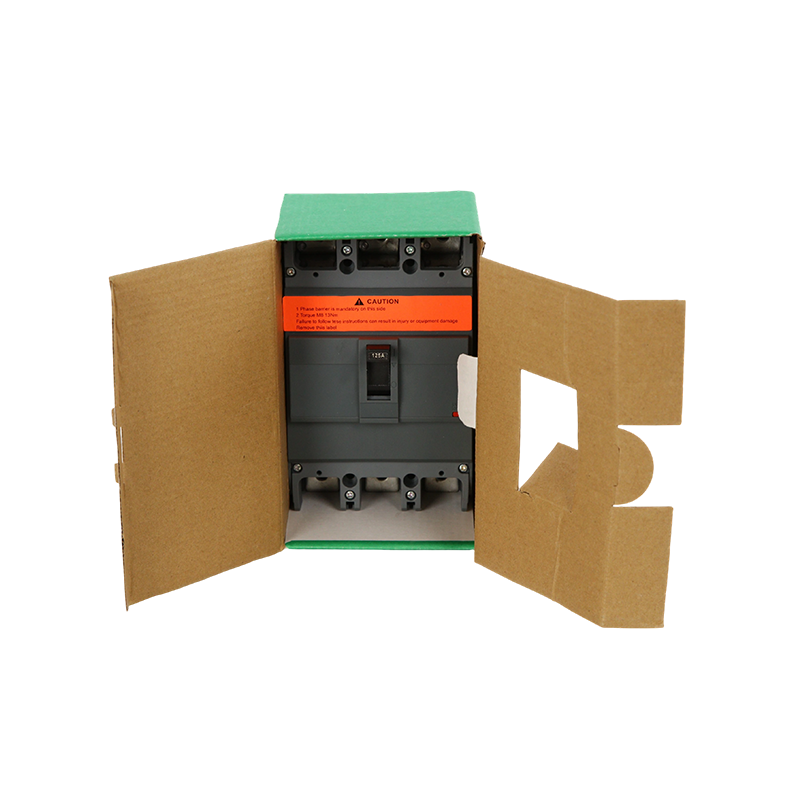 EZC Molded Case Circuit Breaker for Low-Voltage DistributionAn MCCB for low-voltage main incoming and feeder protection, using thermal-magnetic protection to respond to sustained overloads and short-circuit faults.View Product →
 MT-M1 Series MCCB for AC Power DistributionA 63A–1600A MCCB for main and secondary distribution, motor control centers, and generator protection, certified to IEC 60947-2 and GB14048.2.View Product →
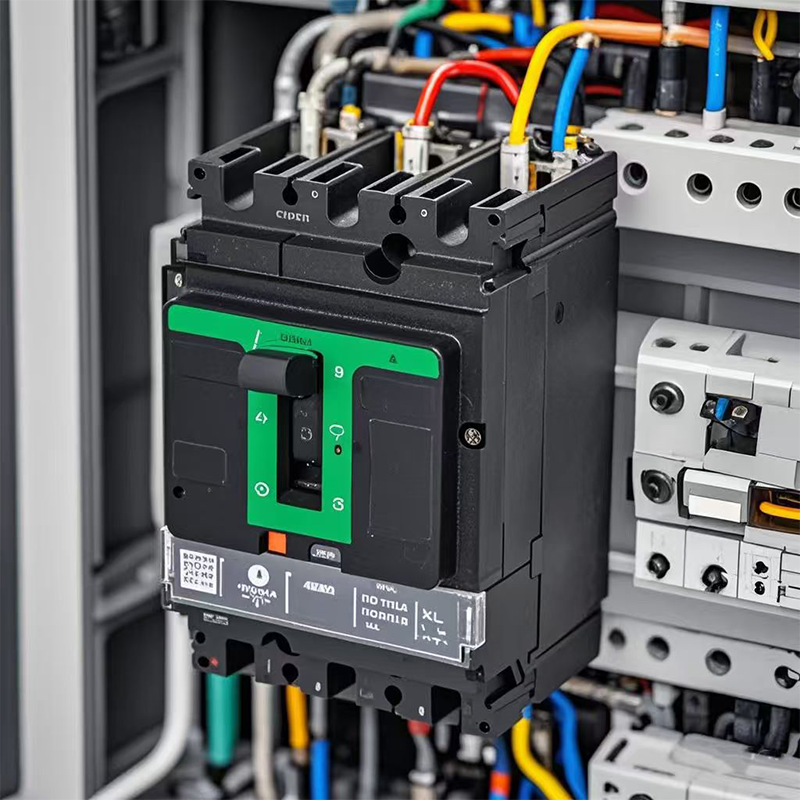 MT-NSX Series Molded Case Circuit BreakerA 100A–630A MCCB with adjustable thermal or electronic overload and electromagnetic short-circuit protection for main distribution, motor control, and backup power.View Product →
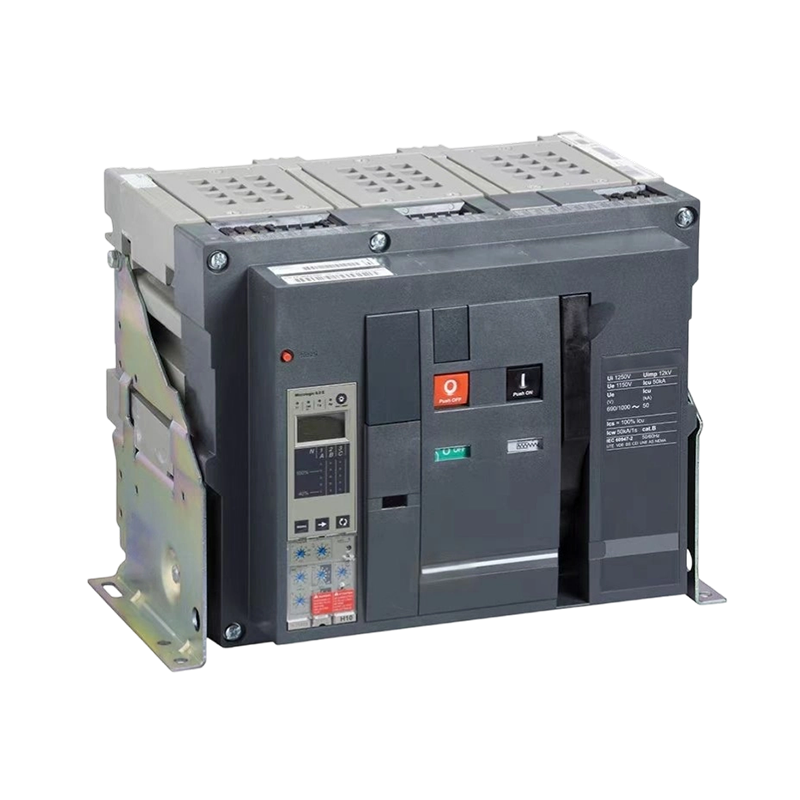
For larger incoming feeders and medium-voltage distribution, air circuit breakers and vacuum circuit breakers cover duties that a miniature device was never designed to handle. The key is to treat the MCB as one layer in a coordinated protection scheme, not as a universal solution.
An MCB should be installed by a qualified electrician who follows the applicable wiring rules. Terminal screws must be tightened to the specified torque, because a loose connection can overheat even when the breaker is correctly rated. The device should be protected from moisture, dust, and mechanical damage, and the enclosure must provide the required degree of protection.
If an MCB trips, find the cause before resetting it. Repeated resetting after a short circuit or a persistent overload is not a repair. Replace the device if there are signs of overheating, cracked casing, burning smell, or failure to trip under test. A periodic inspection of the board, terminals, and labels is good practice, especially in commercial and industrial installations where loads change over time.
A miniature circuit breaker is a small but important safety device. It combines thermal and magnetic protection, interrupts fault current, and allows the circuit to be restored after the fault is removed. Its ratings, curve, poles, and breaking capacity must match the cable and the load—not just the space in the board. To learn more about the team and manufacturing behind our protective equipment, visit our about page. For a broader look at low- and medium-voltage protection, read our circuit breaker protection guide.
Zhejiang Mingtuo Electrical Technology Co., Ltd. All Rights Reserved.
Electrical Protection Circuit Breakers Medium Voltage Circuit Breakers Manufacturers Low Voltage Circuit Breakers Factory
