 English
 Français
 Español
 عربى
عربىResidential Circuit Breakers Company
Home / Products


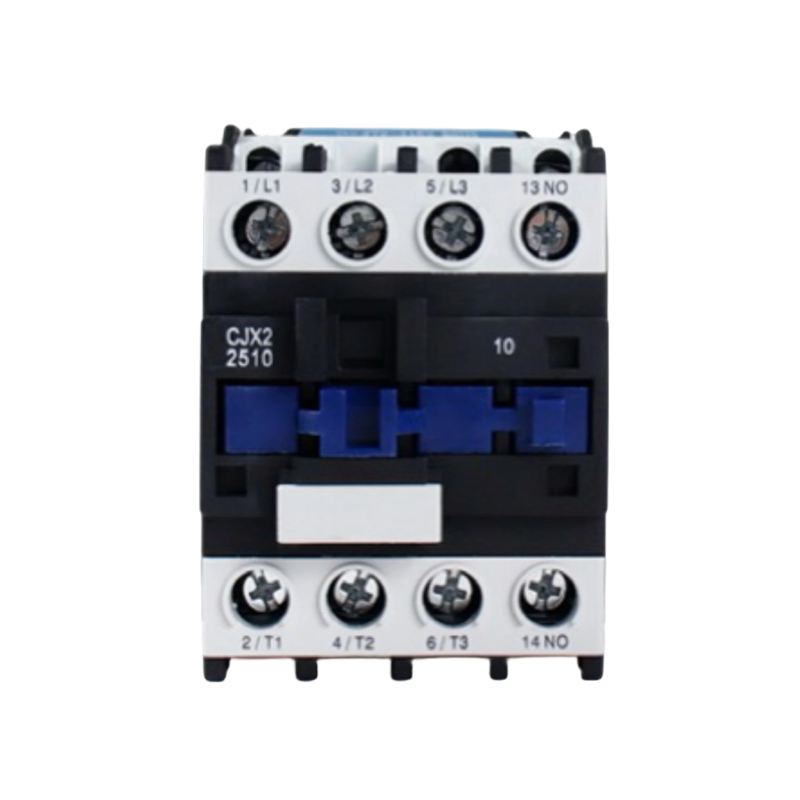
Description: The MINGTUO LC1 series magnetic AC contactors provide reliable switching and...
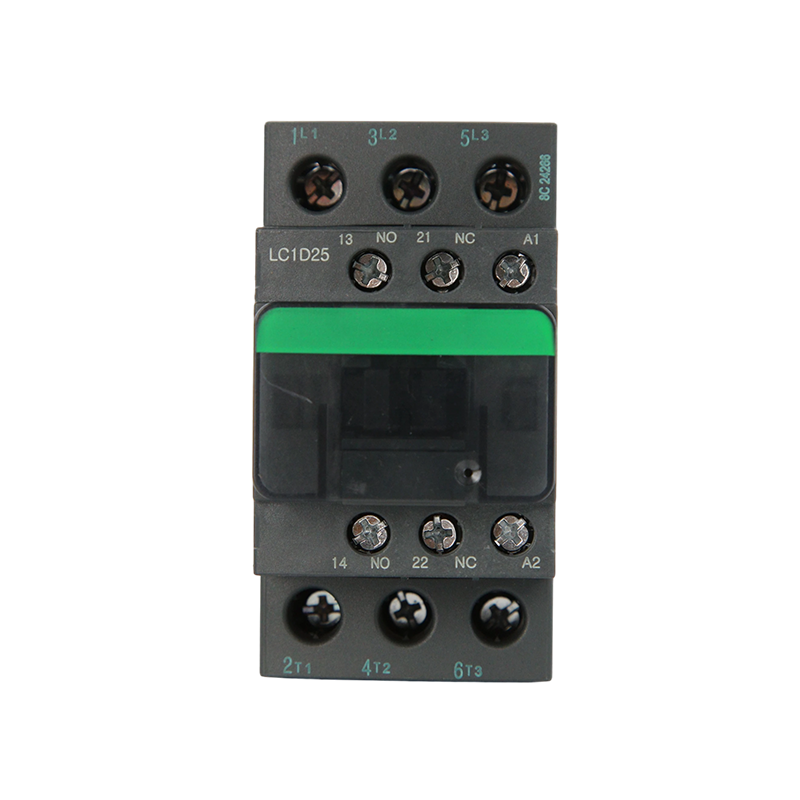
Description: Our LC1 series AC contactors deliver exceptional reliability and robust swit...
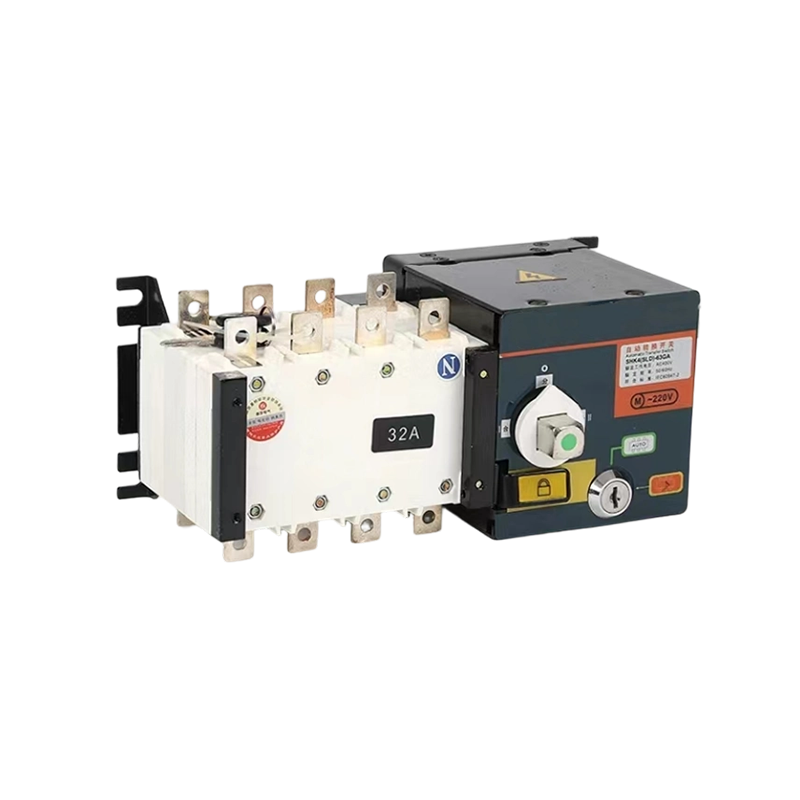
Description: The MINGTUO ATS (Automatic Transfer Switch) ensures uninterrupted power by i...
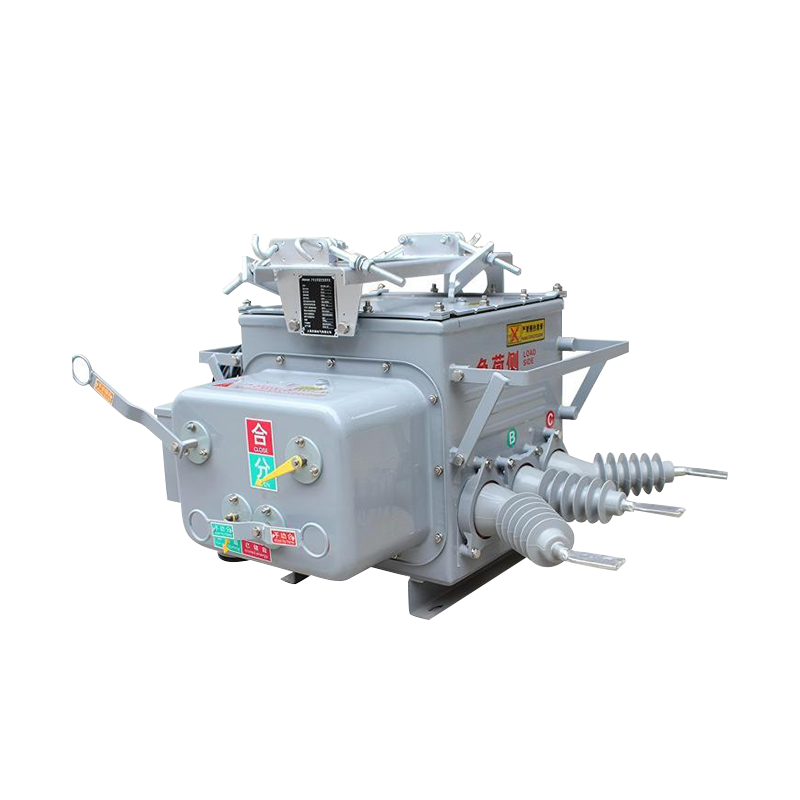
Description: This product is a 12kV high-voltage vacuum circuit breaker designed specifica...
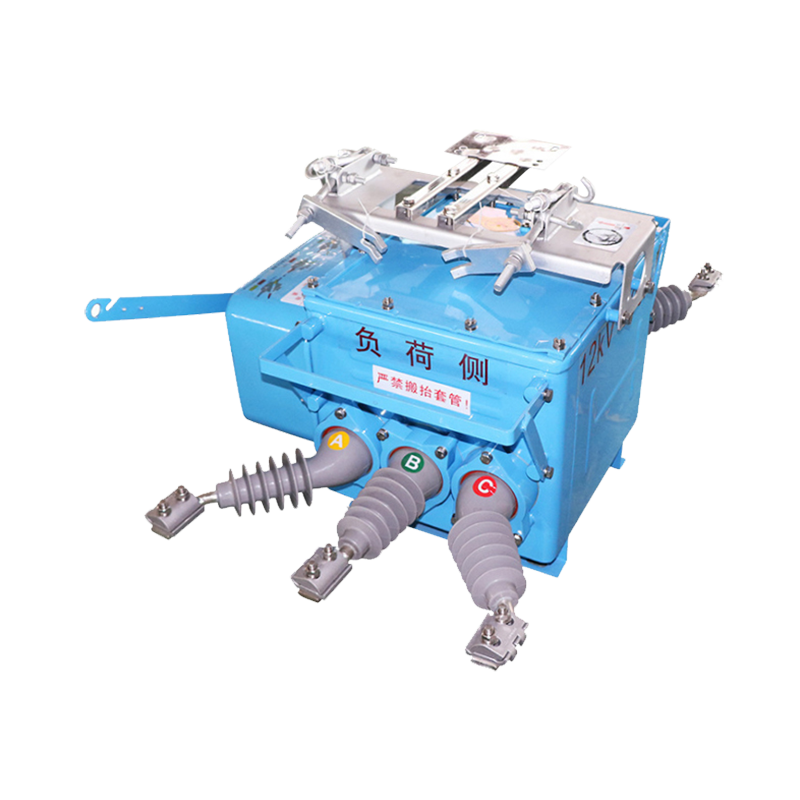
Description: ZW28 vacuum circuit breaker is applied outdoors and is generally installed at...
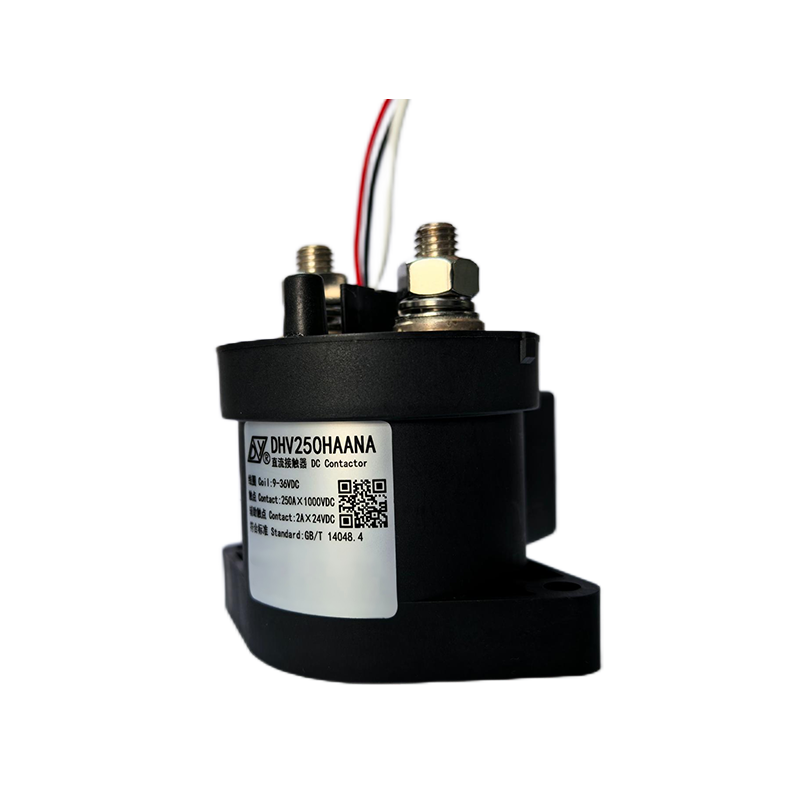
Description: DHV250 is a high-voltage DC contactor with a rated current of 250A and a co...
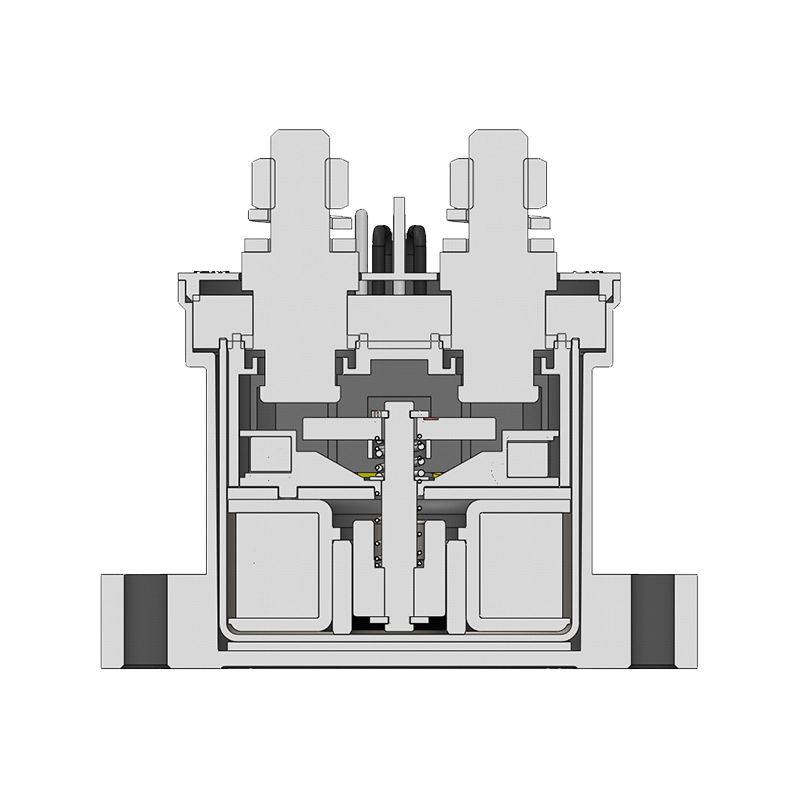
Description: ADH300DE is a high-performance DC contactor designed specifically for the c...
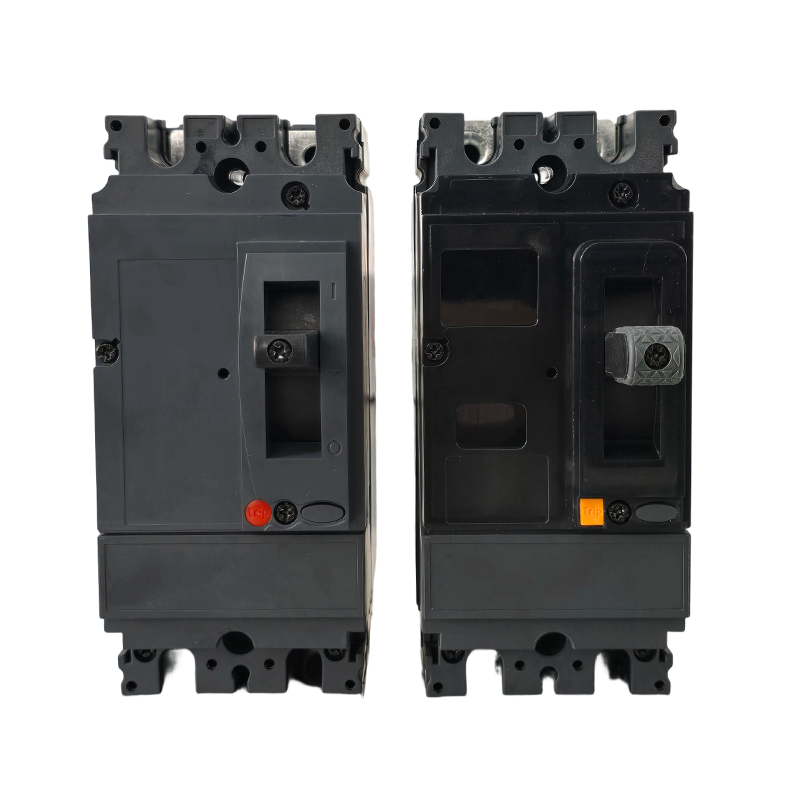
Description: The EZC Molded Case Circuit Breaker 100A–630A is designed for low-voltage pow...
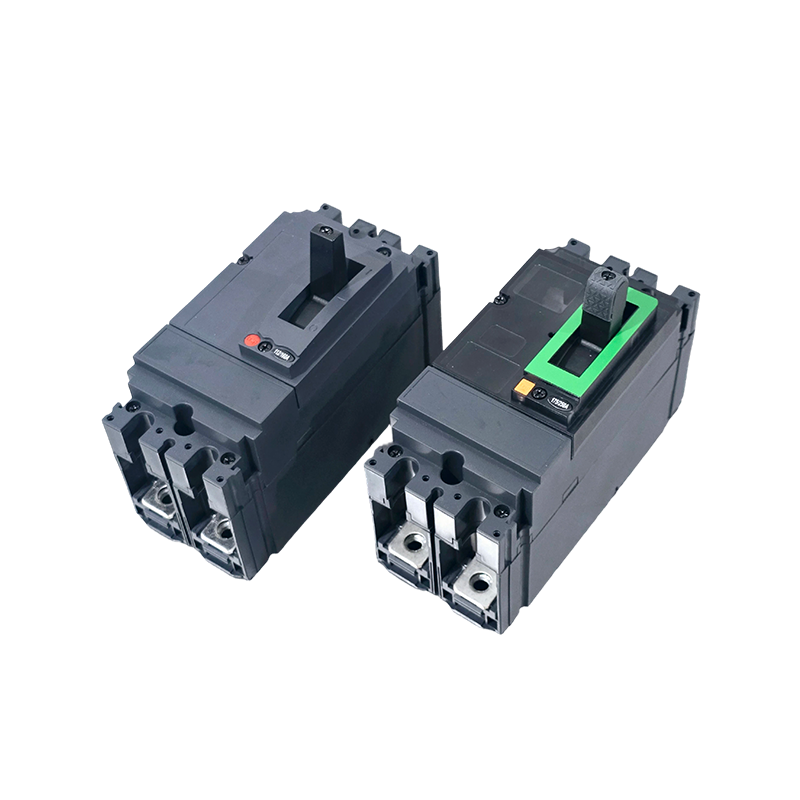
Description: The MT-NSX series molded case circuit breakers (MCCBs) provide reliable and ...
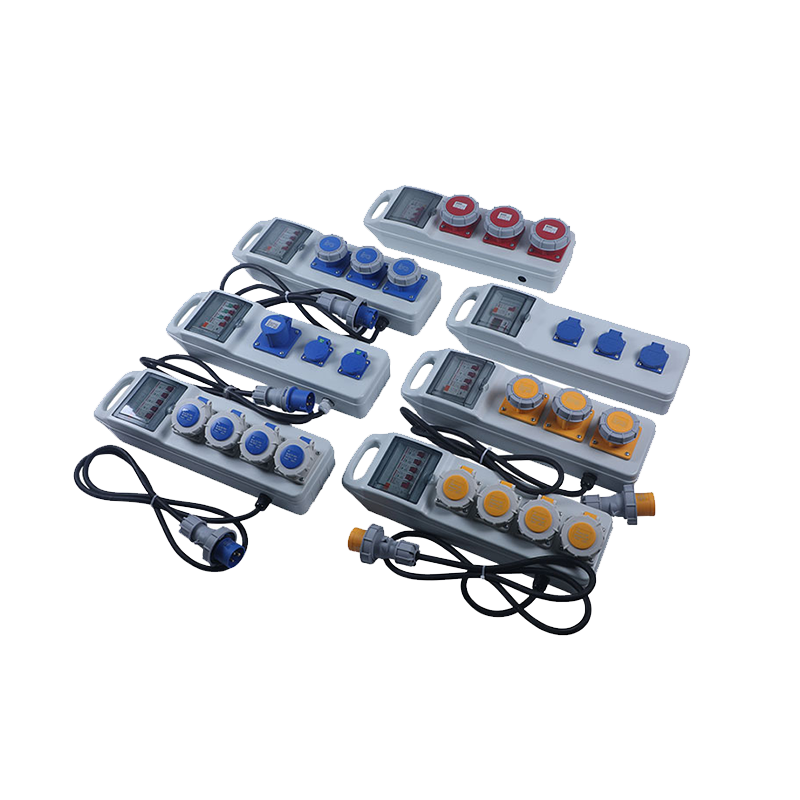
Description: Outdoor waterproof socket boxes are used in outdoor construction sites, fact...
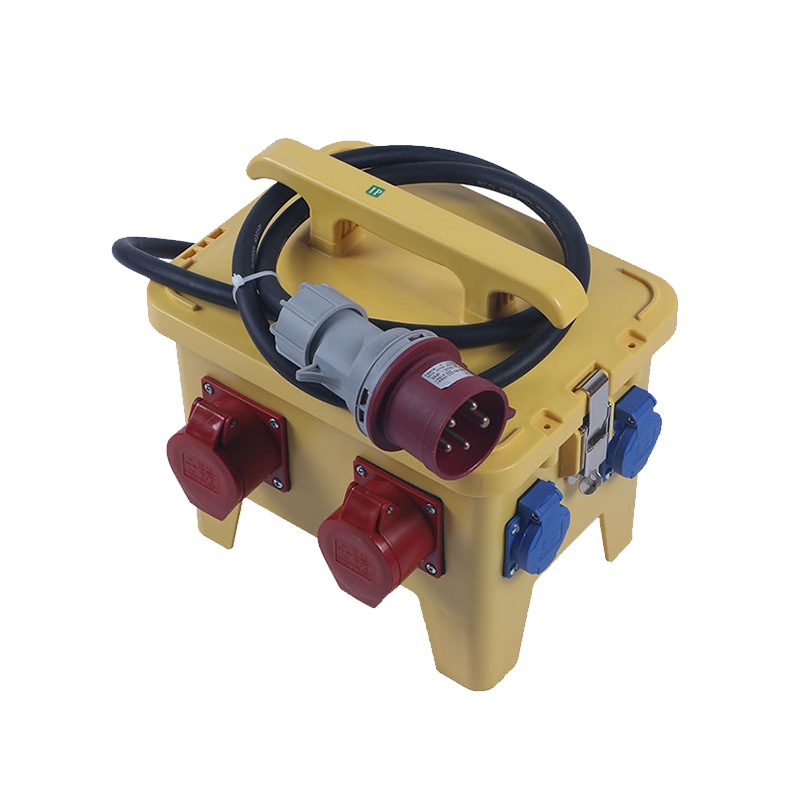
Description: Outdoor waterproof socket boxes are used in outdoor construction sites, fact...
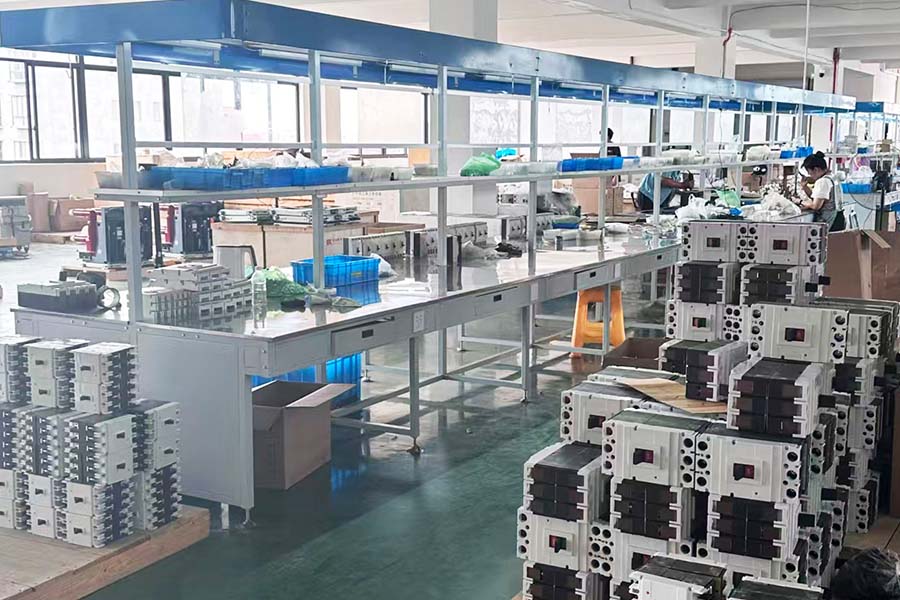
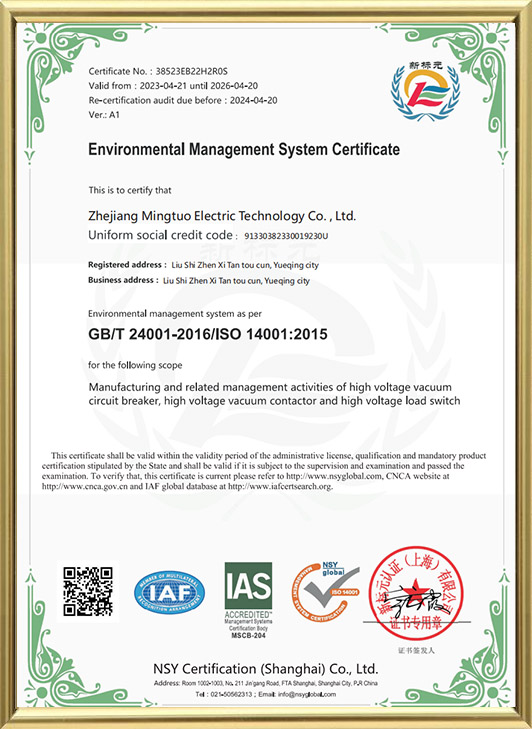
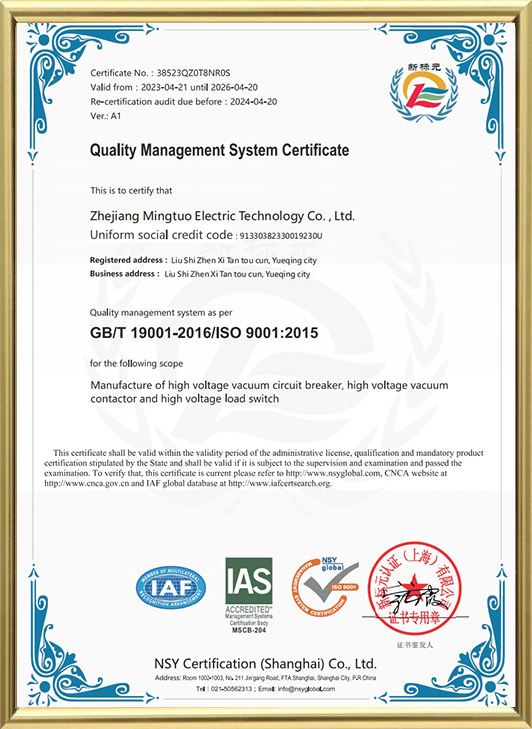
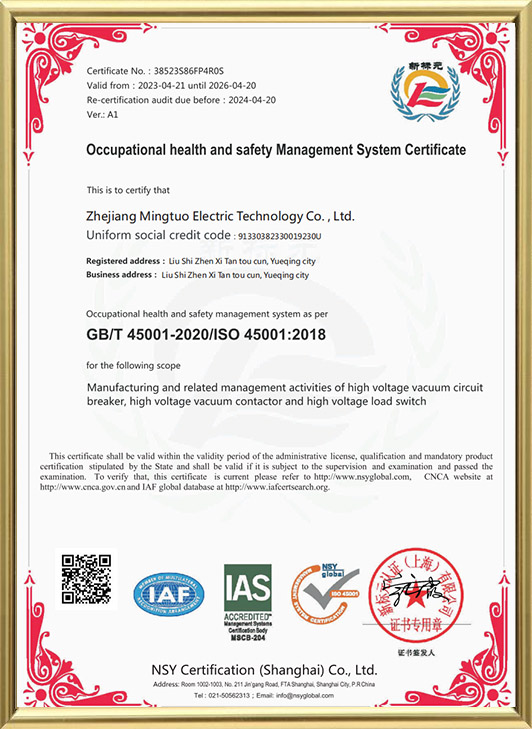
This week, Mingtuo Electric was honored to welcome a key client and partner from Bangladesh for a focused visit to our headquarters. The engagement centered on strengthening our collaborative relationship through direct technical exchange and a review of our manufacturing capabilities.A Closer Look:...
Read MoreWhat Is a Metal Back Waterproof Socket Box? A metal back waterproof socket box is an electrical enclosure that combines a robust metal backplate or housing with a sealed, weather-resistant front assembly to protect electrical outlets from moisture, dust, debris, and mechanical impact. Unlike standar...
Read MoreMolded case circuit breakers represent a critical component in modern electrical distribution systems, providing reliable overcurrent and short-circuit protection for commercial, industrial, and residential applications. These robust protective devices combine advanced trip mechanisms with durable m...
Read MoreIndustrial circuit breakers operate in environments where electrical loads fluctuate constantly and fault conditions can develop within milliseconds. Manufacturing lines, heavy machinery systems, and automated production facilities require protective devices that tolerate high fault currents while maintaining stable interruption capability. In these scenarios, the internal arc-extinguishing structure, contact materials, and thermal-magnetic calibration accuracy determine whether a breaker can respond correctly during short circuits or overload conditions.
Industrial systems often involve motors, pumps, compressors, and variable frequency drives that produce inrush currents several times higher than normal operating current. Selecting industrial circuit breakers therefore involves evaluating not only rated current but also breaking capacity, mechanical durability, and coordination with upstream protection equipment. Manufacturers that specialize in circuit breaker engineering focus heavily on contact alloy composition, arc chute design, and magnetic tripping precision to ensure reliable interruption under repeated fault events.
Manufacturers such as Zhejiang Mingtuo Electrical Technology Co., Ltd. develop industrial circuit breakers by combining engineering research with real-world industrial application requirements. Through access to Liushi's established electrical component supply chain, companies in this region can integrate high-quality materials and precision manufacturing processes to produce protective devices suitable for demanding industrial power distribution systems.
Residential circuit breakers operate in a completely different electrical environment compared with industrial installations. Household distribution panels supply lighting circuits, kitchen appliances, air conditioning units, and electronic devices, each presenting different load characteristics. Rather than handling extremely high fault currents, residential breakers must prioritize consistent sensitivity to moderate overloads and electrical faults that could lead to wiring damage or fire hazards.
Modern homes contain a growing number of high-power electrical appliances such as induction cooktops, electric water heaters, and electric vehicle charging equipment. This change in load profile has increased the importance of selecting circuit breakers with precise tripping curves and stable thermal protection characteristics. Properly calibrated residential circuit breakers protect branch circuits without nuisance tripping while still disconnecting power when abnormal current persists.
| Load Category | Typical Electrical Behavior | Breaker Protection Consideration |
| Lighting circuits | Low continuous current with occasional switching surges | Stable thermal response with moderate short-circuit protection |
| Kitchen appliances | High power consumption with intermittent operation | Accurate overload protection to prevent cable overheating |
| Air conditioners | Compressor startup current several times rated current | Magnetic trip tolerance for temporary inrush current |
| Electric vehicle chargers | Long-duration high current charging cycles | Stable thermal calibration for continuous loads |
With the increasing electrification of residential infrastructure, circuit breaker manufacturers are placing greater emphasis on long-term thermal stability, consistent tripping performance, and compatibility with compact distribution boards used in modern housing construction.
Commercial buildings such as office complexes, shopping centers, hospitals, and hotels require electrical protection systems that balance operational reliability with energy management efficiency. Commercial circuit breakers must support large distribution panels that supply multiple floors, lighting systems, elevators, HVAC equipment, and information technology infrastructure.
One of the key challenges in commercial power distribution is maintaining selectivity between upstream and downstream protective devices. When a fault occurs in a single branch circuit, only the nearest breaker should trip while upstream devices remain closed. This selective coordination reduces power interruptions across the building and prevents unnecessary downtime for tenants and facility operators.
Companies engaged in circuit breaker research and manufacturing contribute to these requirements by refining production processes, improving contact durability, and maintaining consistent calibration during mass production. Zhejiang Mingtuo Electrical Technology Co., Ltd., for example, focuses on the development and manufacturing of low-voltage and medium-voltage circuit breakers that support industrial, commercial, and residential power distribution networks. By combining engineering design capabilities with Liushi's mature electrical manufacturing ecosystem, the company delivers electrical protection products designed for stable performance across a wide range of application environments.
Across industrial plants, commercial facilities, and residential buildings, circuit breakers function as critical safety components within the electrical infrastructure. Continuous improvement in materials engineering, arc interruption technology, and precision manufacturing allows modern circuit breakers to respond faster, operate more reliably, and maintain consistent protection performance throughout long service cycles.
Zhejiang Mingtuo Electrical Technology Co., Ltd. All Rights Reserved.
Industrial Circuit Breaker Suppliers Wholesale Residential Circuit Breakers Company
