 English
 Français
 Español
 عربى
عربى

Metal Back Waterproof Socket Box: Guide to Buying & Installing
Content
- 1 What Is a Metal Back Waterproof Socket Box?
- 2 Why the Metal Back Design Matters
- 3 Understanding IP Ratings for Waterproof Socket Boxes
- 4 Key Material Choices and Their Trade-Offs
- 5 How to Choose the Right Metal Back Waterproof Socket Box
- 6 Step-by-Step Installation Guide
- 7 Maintenance Tips to Extend Service Life
- 8 Common Applications for Metal Back Waterproof Socket Boxes
What Is a Metal Back Waterproof Socket Box?
A metal back waterproof socket box is an electrical enclosure that combines a robust metal backplate or housing with a sealed, weather-resistant front assembly to protect electrical outlets from moisture, dust, debris, and mechanical impact. Unlike standard plastic socket enclosures, the metal back construction provides superior structural rigidity, grounding capability, and resistance to UV degradation and physical damage. These units are designed to meet specific ingress protection (IP) ratings — most commonly IP44, IP55, or IP66 — making them suitable for outdoor, industrial, commercial, and wet-area installations where standard sockets would pose a safety risk or fail prematurely.
The metal back component is typically fabricated from die-cast aluminum, galvanized steel, or stainless steel, each offering different balances of corrosion resistance, weight, and cost. The front cover or shroud is often made from impact-resistant polycarbonate or a combination of metal and rubber gaskets that create a watertight seal around the socket face. Together, these components form an enclosure that keeps live electrical contacts protected even in harsh environments such as building facades, garden installations, workshops, marine jetties, and food processing facilities.
Why the Metal Back Design Matters
The back box is the most structurally critical component of any socket installation. It anchors the socket to the wall or surface, routes the incoming cables, and — in metal versions — provides an important earthing path. A metal back box offers several advantages over its plastic counterpart that become especially significant in outdoor and high-demand settings.
First, metal back boxes resist warping and cracking under temperature extremes. Plastic enclosures can become brittle in freezing temperatures or soften in prolonged direct sun, compromising the seal and structural integrity of the installation. A galvanized or powder-coated steel back box maintains its shape and seal compression across a far wider temperature range. Second, metal provides inherent electromagnetic shielding, which is relevant in industrial environments where interference from motors, welding equipment, or high-current switchgear is present. Third, in the event of an electrical fault, a metal enclosure is far less likely to contribute to fire spread than a plastic one, meeting stricter fire safety codes in commercial and industrial buildings.
Understanding IP Ratings for Waterproof Socket Boxes
IP ratings — defined by the IEC 60529 standard — classify the degree of protection an enclosure provides against solid particles and liquids. Selecting the right IP rating for your application is not optional; using an under-rated socket box in a wet environment can result in electrical faults, shock hazard, or non-compliance with building regulations. The table below outlines the most common IP ratings found on metal back waterproof socket boxes and their appropriate use cases.
| IP Rating | Solid Protection | Water Protection | Typical Application |
| IP44 | Objects >1mm | Splashing from any direction | Covered outdoor areas, garages |
| IP55 | Dust limited ingress | Low-pressure water jets | Workshops, building exteriors |
| IP65 | Fully dust-tight | Low-pressure jets from any angle | Open outdoor walls, garden sockets |
| IP66 | Fully dust-tight | Powerful water jets | Industrial washdown areas, marine |
| IP67 | Fully dust-tight | Temporary immersion up to 1m | Flood-prone areas, wet plant rooms |
Key Material Choices and Their Trade-Offs
The metal used in the back box significantly influences the long-term durability and maintenance requirements of the installation. Each material has distinct properties suited to different environments, so it is worth understanding the differences before purchasing.
Die-Cast Aluminum
Die-cast aluminum is the most common material for high-quality waterproof socket back boxes. It is lightweight, naturally corrosion-resistant through the formation of an oxide layer, and can be precision-cast into complex shapes that integrate mounting lugs, cable entry points, and gasket channels in a single piece. Powder-coated aluminum boxes offer additional colour options and a harder surface finish. Aluminum is the preferred choice for most outdoor residential and light commercial applications where weight and corrosion resistance are both priorities.
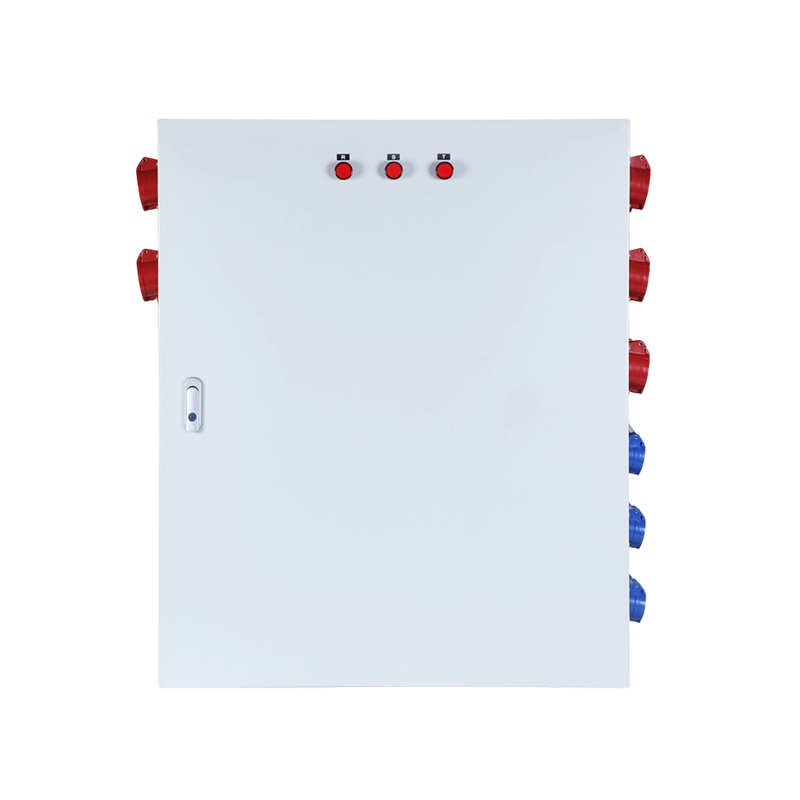
Galvanized Steel
Galvanized steel back boxes are heavier and more mechanically robust than aluminum, making them the standard choice in industrial environments where physical impact from equipment, forklifts, or heavy cables is a real risk. The zinc galvanizing layer provides corrosion protection, though in coastal or highly saline environments this layer can degrade over time. Many galvanized steel boxes are also available with an additional epoxy or powder coat for enhanced protection. They are also less expensive than aluminum in equivalent sizes, making them cost-effective for large industrial installations.
Stainless Steel
Grade 304 or 316 stainless steel back boxes are the premium option for environments where corrosion resistance is the primary concern — specifically coastal installations, marine applications, food processing plants, and chemical facilities. Grade 316 contains molybdenum, which provides significantly enhanced resistance to chloride corrosion compared to grade 304. Stainless steel boxes are the most expensive option but require the least maintenance over a long service life and are compatible with aggressive cleaning regimes including steam cleaning and chemical washdowns.
How to Choose the Right Metal Back Waterproof Socket Box
Selecting the correct unit requires evaluating several factors simultaneously. A box that is perfect for a garden power point is entirely unsuitable for a food factory wall, and vice versa. Work through the following considerations methodically before making a purchase decision.
- Determine your required IP rating: Assess the worst-case water exposure the socket will face. A socket under a sheltered patio canopy may only need IP44, while one mounted on an exposed garden wall requires IP65 as a minimum. In areas subject to pressure washing, specify IP66 or above.
- Match the socket type to your application: Metal back waterproof boxes are available for standard domestic sockets, industrial commando sockets (IEC 60309), RCD-protected outlets, USB combination outlets, and data sockets. Ensure the internal socket type matches your equipment's plug standard.
- Check the cable entry configuration: Count the number of cables entering the box and verify the back box provides sufficient knockouts or threaded conduit entries of the correct diameter. Sealed cable glands must be used at every entry point to maintain the IP rating.
- Verify the mounting depth: Standard metal back boxes for surface mounting come in depths of 25mm, 35mm, and 47mm. The depth must accommodate all cable terminations within the box without forcing conductors into sharp bends that could damage insulation over time.
- Consider the ambient temperature range: If the installation is in a location subject to extreme cold (below -20°C) or high heat (near industrial furnaces or direct sun in hot climates), verify that the box and its gaskets are rated for the expected temperature range.
- Check compliance certifications: In the UK, look for BS EN 60670 or BS 4662 compliance. In Europe, CE marking is required. For industrial installations, IECEx or ATEX certification may be necessary in potentially explosive atmospheres.
Step-by-Step Installation Guide
Installing a metal back waterproof socket box correctly is straightforward when approached methodically, but skipping steps — particularly around sealing and earthing — undermines the entire purpose of the enclosure. Always isolate the circuit at the consumer unit and verify isolation with a voltage tester before beginning any wiring work. If you are not a qualified electrician, consult one; outdoor socket installations must comply with Part P of the Building Regulations in the UK and equivalent codes elsewhere.
Prepare the Surface and Cable Route
Mark the mounting position ensuring the box sits level and that the cable entry point aligns with your conduit or cable route. For masonry walls, use a hammer drill with a masonry bit to create fixing holes and insert appropriate wall plugs. If running armoured cable (SWA), the cable must enter through a suitable brass or stainless steel cable gland that grips the armour and provides an earthing path into the metal back box. Ensure the cable route does not allow water to track down the cable into the box — route cables upward into the base of the box or use drip loops where cables enter from above.
Fit Cable Glands and Pull Through Cable
Remove the appropriate knockouts from the metal back box using a punch or drill. Thread the cable gland body through the knockout from inside and secure the locknut on the outside. Do not fully tighten at this stage. Feed the prepared cable through the gland, leaving sufficient length inside the box for comfortable termination — typically 150mm of conductor beyond the gland. Once the cable is positioned, tighten the gland compression nut firmly to grip the cable outer sheath and create the waterproof seal.
Wire the Socket and Complete Earthing
Connect line (brown), neutral (blue), and earth (green/yellow) conductors to the correct terminals on the socket. In a metal back box installation, an additional earth tail must be connected from the socket's earth terminal to the earthing point within the metal back box itself. This bonding connection ensures that the metal enclosure is at earth potential, so any fault current that reaches the box body trips the protective device rather than energising a surface someone might touch.
Seal and Test the Completed Installation
Before closing the front cover, inspect the perimeter gasket for any cuts, compression set, or debris that would compromise the seal. Fit the socket into the back box, ensuring all fixing screws engage fully to compress the gasket evenly around the entire perimeter. Do not overtighten individual screws unevenly as this can distort the gasket and create leak paths. Once assembled, restore power and test the socket with a plug-in socket tester to verify correct wiring polarity. For new outdoor circuits, a full inspection and test certificate should be issued by a qualified electrician.
Maintenance Tips to Extend Service Life
A correctly specified and installed metal back waterproof socket box requires minimal maintenance, but periodic inspection will catch problems before they become safety hazards or cause equipment damage.
- Inspect the cover gasket annually for signs of compression set, cracking, or debris accumulation. Replace gaskets that no longer spring back when the cover is opened — a flat gasket cannot maintain the IP rating.
- Check all fixing screws for corrosion and ensure they remain tight. Stainless steel fixings are strongly recommended even on aluminum or steel boxes to prevent bimetallic corrosion locking screws in place.
- Clean the exterior of the box with a damp cloth. Avoid abrasive cleaners on powder-coated surfaces. For stainless steel boxes, wipe in the direction of the grain to avoid surface scratching that can initiate corrosion in saline environments.
- Inspect cable glands annually for any movement or loosening, particularly on installations subject to vibration. A loose gland compromises both the waterproof seal and the armour earth connection on SWA cables.
- After any significant flooding, storm, or physical impact event, open the box and inspect internally for moisture ingress, conductor displacement, or insulation damage before restoring power.
Common Applications for Metal Back Waterproof Socket Boxes
Metal back waterproof socket boxes appear across an extremely wide range of settings precisely because no other socket enclosure type matches their combination of mechanical strength, weather resistance, and electrical safety. In residential settings, they are the correct choice for garden power points, garage exterior walls, outdoor kitchen worktops, and hot tub or pool equipment connections. In commercial and light industrial settings, they are used for outdoor event power distribution, car park columns, building maintenance access points, and retail forecourt installations. In heavy industry, stainless steel or galvanized versions handle chemical plants, food processing lines, offshore platforms, water treatment works, and agricultural buildings where wash-down routines are daily occurrences. The consistent thread across all these applications is the requirement for a socket that keeps working reliably and safely regardless of what the environment throws at it — a requirement that only a properly rated and properly installed metal back waterproof socket box can consistently meet.

Zhejiang Mingtuo Electrical Technology Co., Ltd. All Rights Reserved.
Electrical Protection Circuit Breakers Medium Voltage Circuit Breakers Manufacturers Low Voltage Circuit Breakers Factory
