 English
 Français
 Español
 عربى
عربىDescription: The EZC Molded Case Circuit Breaker 100A–630A is designed for low-voltage pow...


MCCB Molded Case Circuit Breaker Manufacturers
-
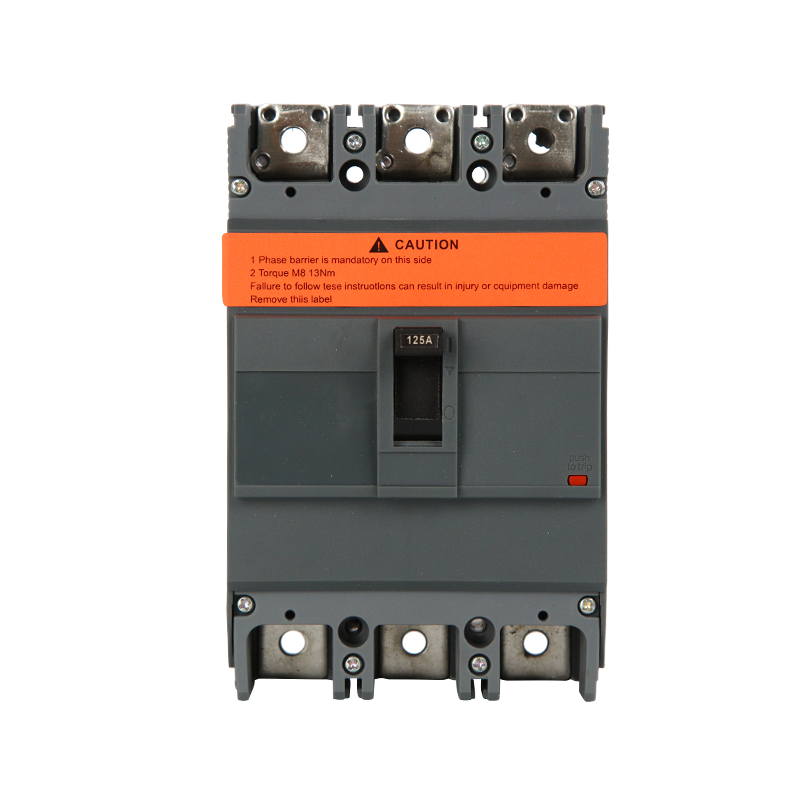 EZC Molded Case Circuit Breaker 100A–1600A for Low-Voltage Power Distribution
 -
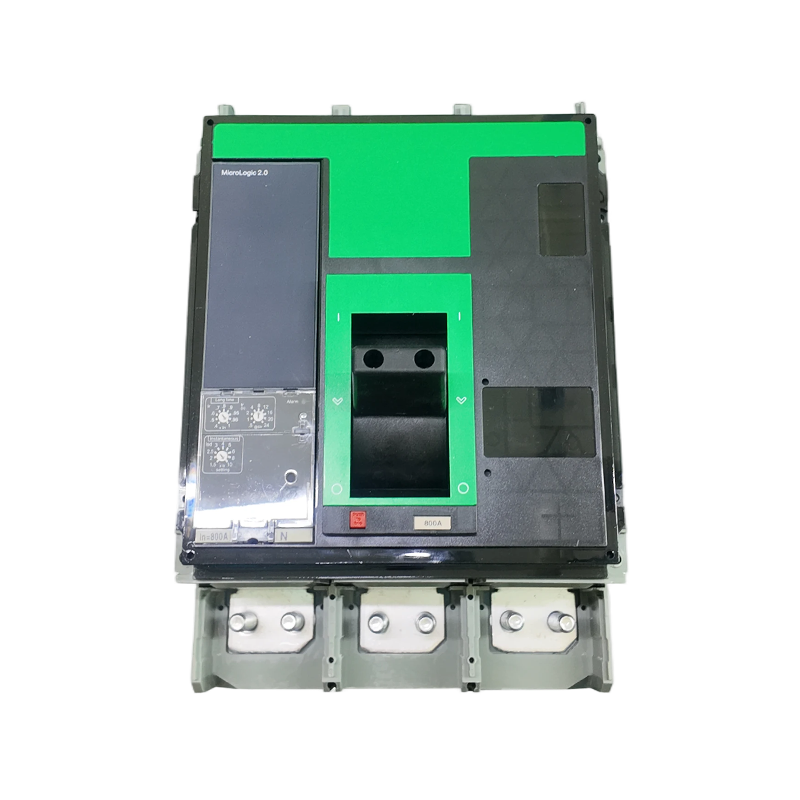 MT-NSX 3/4P 800A-1600A AC Molded Case Circuit Breaker for Industrial & Commercial Distribution
Description: The MT-NSX series molded case circuit breakers (MCCBs) provide reliable and ...
-
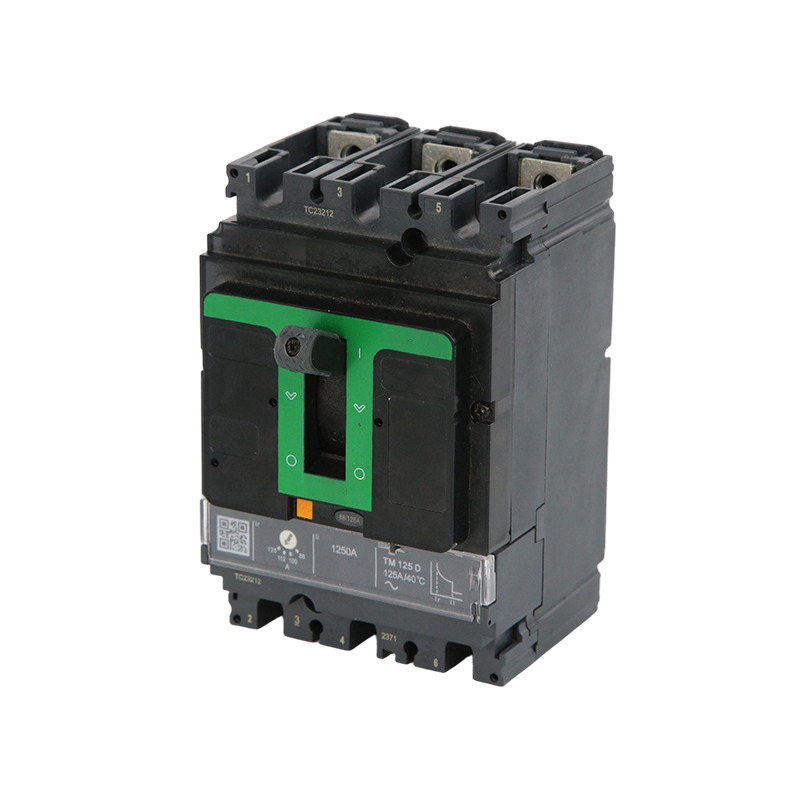 MT-NSX 3/4P 100A-630A AC Molded Case Circuit Breaker for Industrial & Commercial Distribution
Description: The MT-NSX series molded case circuit breakers (MCCBs) provide reliable and ...
-
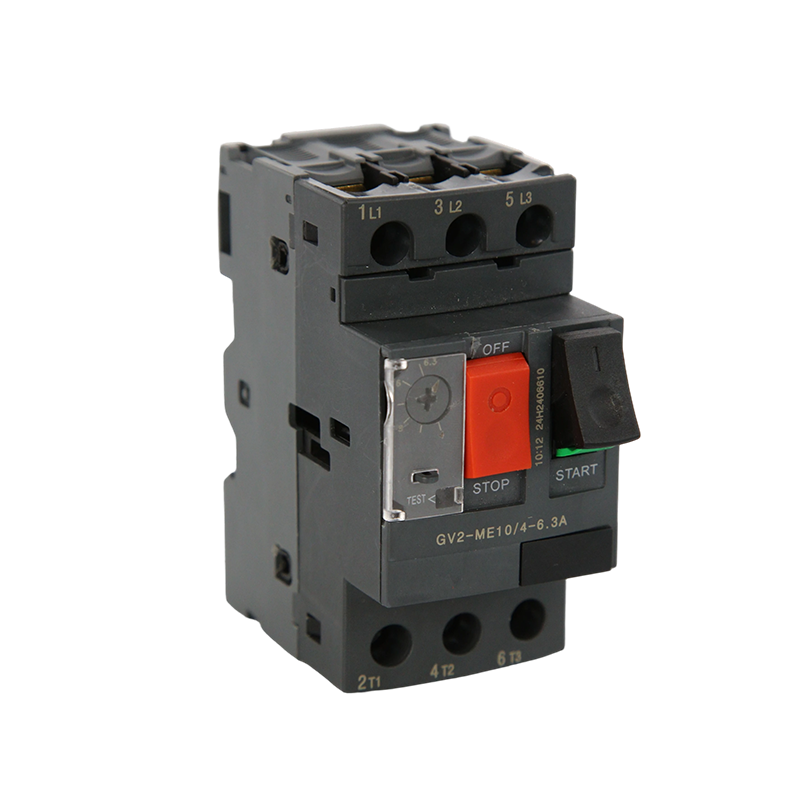 MT-GV2 Motor Protection Combo: MCCB and Thermal Overload Relay for 0.1–32A Motors
Description: The MT-GV2 Motor Protection Combo integrates a high-performance molded case ...
-
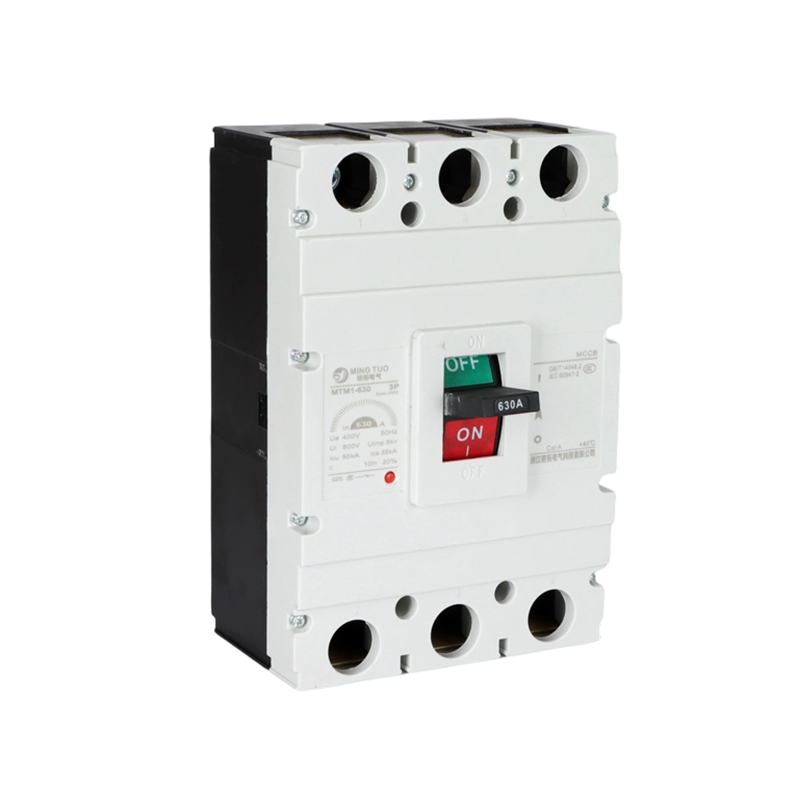 MT-M1 3/4P AC Molded Case Circuit Breaker, 63A–1600A, Reliable Electrical Protection
Description: The MT-M1 series molded case circuit breaker (MCCB) is engineered to deliver ...
-
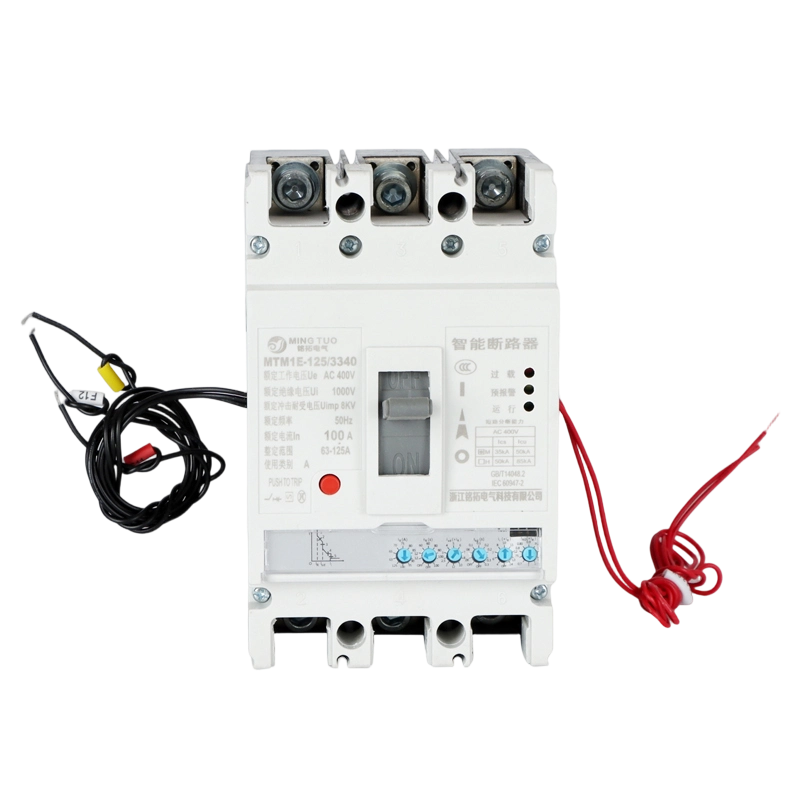 MT-M1 Digital Electronic MCCB, 100-800A, 3/4P, 50kA, Microprocessor-Controlled Circuit Breaker
Description: The MT-M1 Digital Electronic MCCB represents the next generation of circuit ...
-
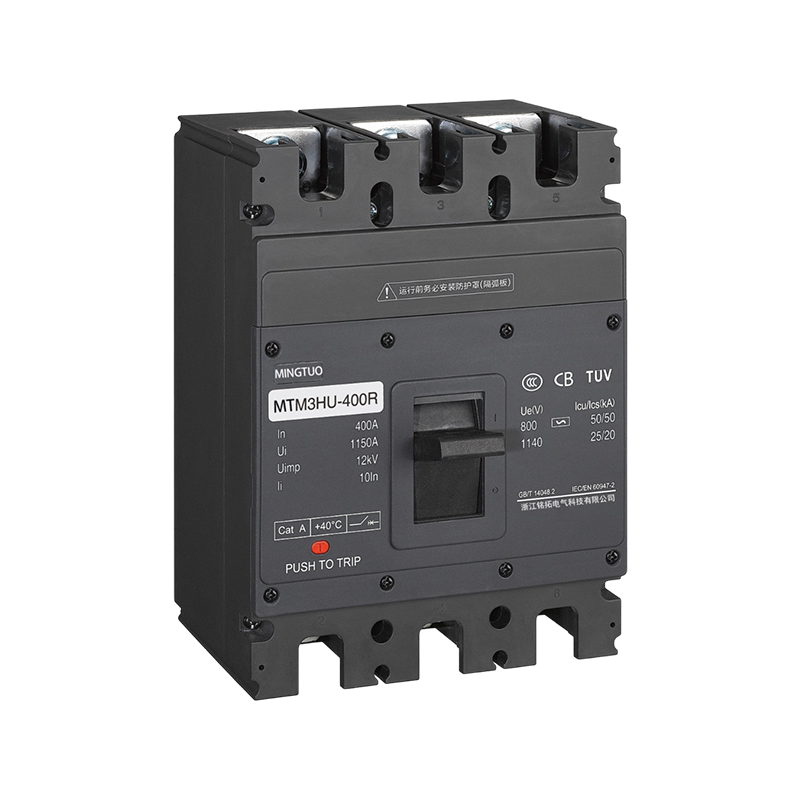 PV DC MCCB 1000V 630A Solar Circuit Breaker for Panel Protection
Description: Expertly engineered for photovoltaic applications, our DC Molded Case Circui...
-
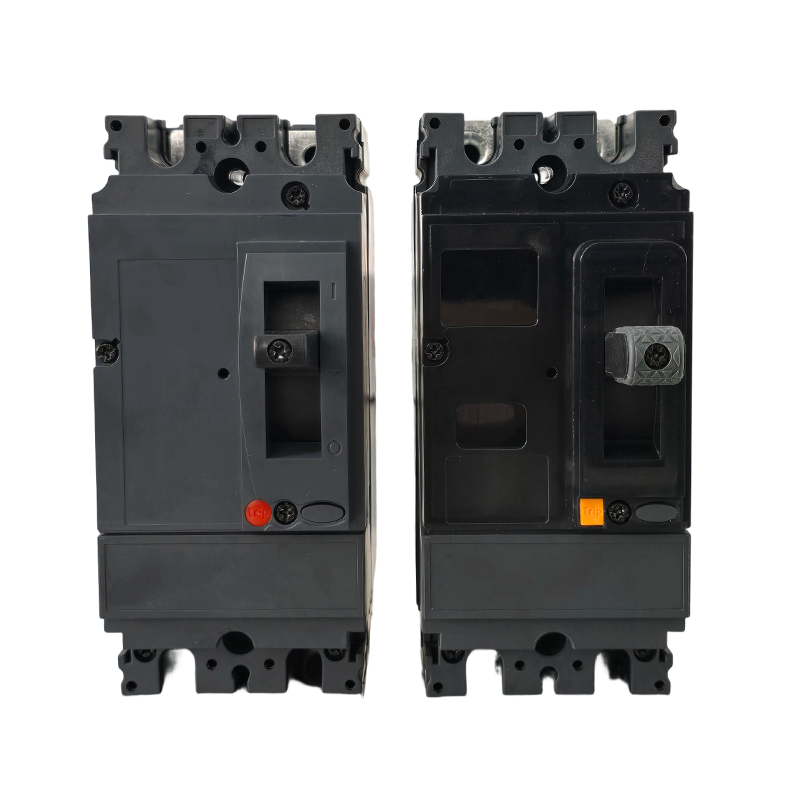 EZC Molded Case Circuit Breaker 2P 100A–1600A for Low-Voltage Power Distribution
Description: The EZC Molded Case Circuit Breaker 100A–630A is designed for low-voltage pow...
-
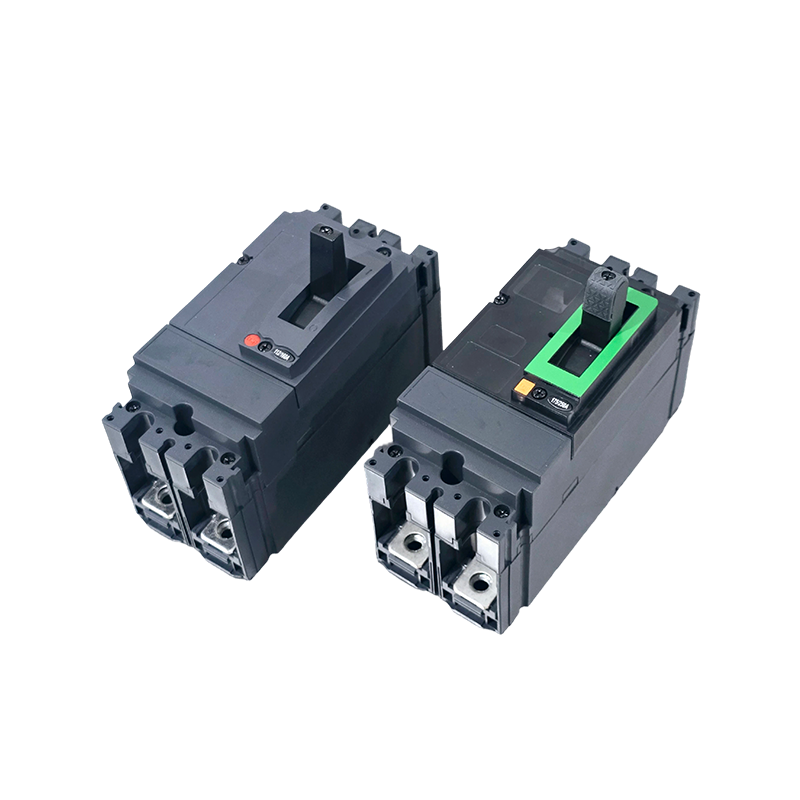 MT-NSX 2P 100A-1600A AC Molded Case Circuit Breaker for Industrial & Commercial Distribution
Description: The MT-NSX series molded case circuit breakers (MCCBs) provide reliable and ...
MingTuo Molded Case Circuit Breakers (MCCB) protect low-voltage distribution systems and electrical equipment from overloads and short circuits. Covering a wide current range with multiple series—EZC, NSX, GV2, MTM1, MTM1E, SRM3—these breakers combine thermal-magnetic or electronic trip mechanisms with robust copper-silver contacts and flame-retardant housings. Compact and reliable, they are suitable for industrial, commercial, and renewable energy applications, supporting flexible installation and optional intelligent monitoring for enhanced safety and efficiency.
Message Feedback
About Us
Zhejiang Mingtuo Electrical Technology Co., Ltd.
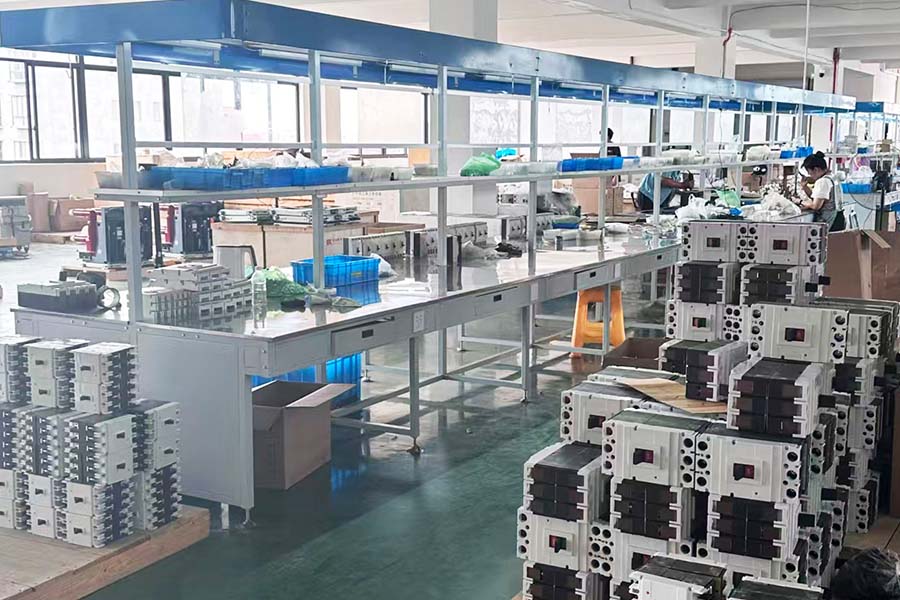
Zhejiang Mingtuo Electrical Technology Co., Ltd. is a technology-driven enterprise specializing in the research, development, and manufacturing of low-voltage and medium-voltage circuit breakers. Leveraging Liushi's comprehensive electrical industry chain and local advantages, we provide reliable and safe electrical protection products along with customized solutions for global industrial, commercial, and residential power distribution systems.
Molded Case Circuit Breaker Manufacturers and MCCB Circuit Breakers Factory in China. Our products are exported to over 30 countries worldwide, including Europe, the Middle East, Southeast Asia, and Africa. Our diverse clientele encompasses power distribution cabinet manufacturers, engineering contractors/EPC firms, electrical distributors and agents, system integrators, and OEM customers. We provide our partners with a comprehensive one-stop service, spanning from technical support, solution alignment, and prototype development to mass production delivery. Custom MCCB Breakers.
We are committed to becoming a trusted electrical protection partner for global customers through professional engineering capabilities, consistent manufacturing quality, and flexible customization services.
Molded Case Circuit Breaker Manufacturers and MCCB Circuit Breakers Factory in China. Our products are exported to over 30 countries worldwide, including Europe, the Middle East, Southeast Asia, and Africa. Our diverse clientele encompasses power distribution cabinet manufacturers, engineering contractors/EPC firms, electrical distributors and agents, system integrators, and OEM customers. We provide our partners with a comprehensive one-stop service, spanning from technical support, solution alignment, and prototype development to mass production delivery. Custom MCCB Breakers.
We are committed to becoming a trusted electrical protection partner for global customers through professional engineering capabilities, consistent manufacturing quality, and flexible customization services.
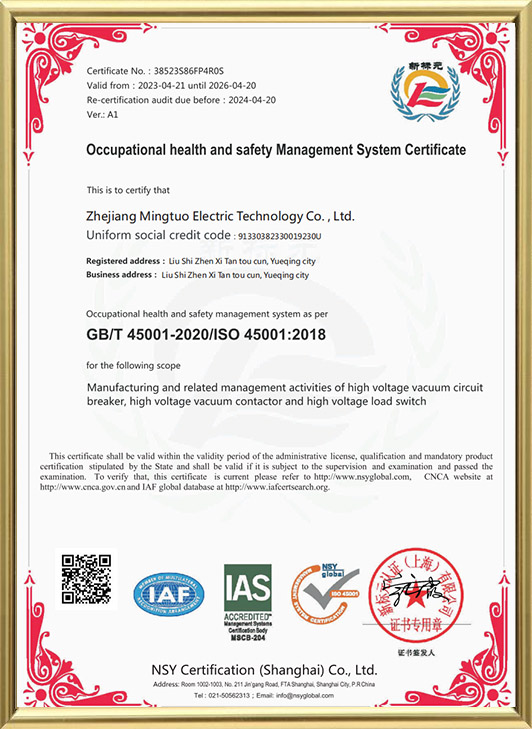
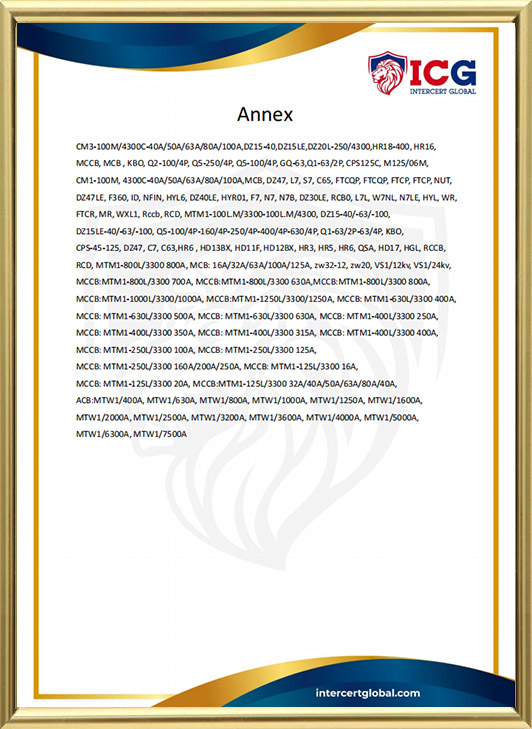
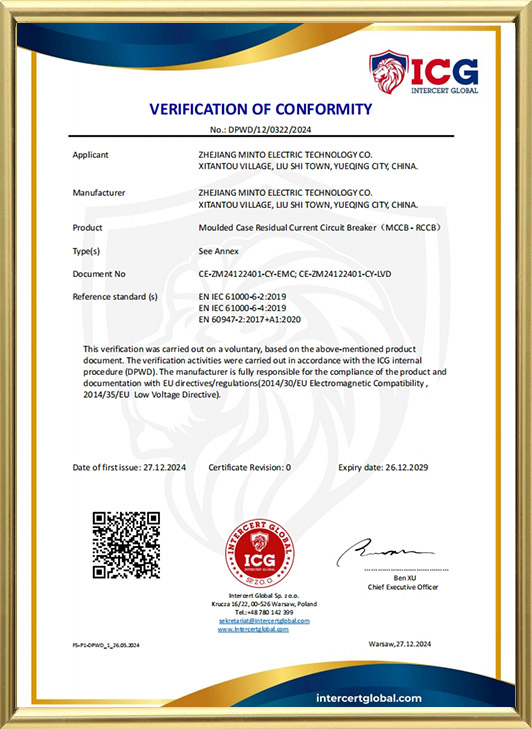
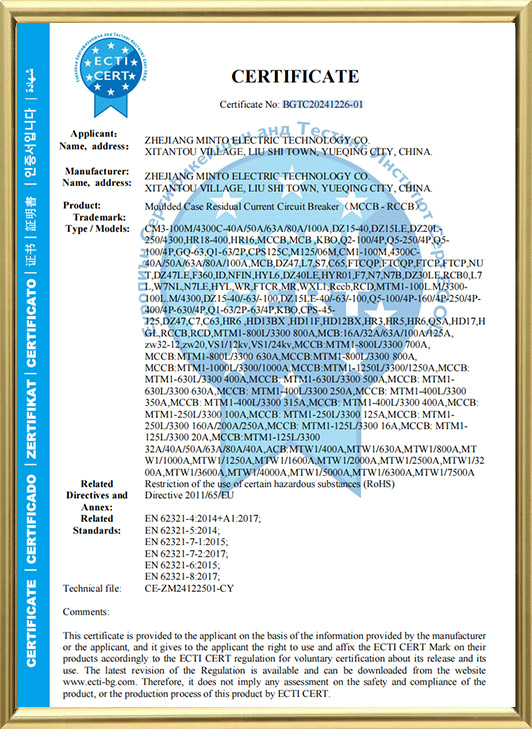
Certificate



News
-
What Is a Vacuum Circuit Breaker and How Does It Work? A vacuum circuit breaker (VCB) is a switching and protection device used primarily in medium voltage electrical distribution systems — typically in the range of 1kV to 38kV — that interrupts fault currents and isolates electrical circuits by ext...
Read More -
Amid the global cross-border e-commerce "New Trade Festival" in full swing this March, Mingtuo Electric has officially launched its "March Expo" promotional campaign. The event showcases the company's flagship product series, offering competitive professional electrical solutions and exclusive procu...
Read More -
What Circuit Breakers Do and Why Choosing the Right One Matters A circuit breaker is an automatic protective switching device that detects abnormal electrical conditions — overcurrent, short circuit, or earth fault — and interrupts current flow before equipment is damaged or personnel are endangere...
Read More
Industry knowledge
How Thermal-Magnetic Trip Units in MCCB Circuit Breakers Actually Work Under Load
Most engineers understand that a Molded Case Circuit Breaker uses a bimetallic strip for overload protection and an electromagnetic coil for short-circuit protection, but the interaction between these two mechanisms under real operating conditions is more nuanced than textbook diagrams suggest. The bimetallic strip responds to I²t heating — meaning a 150% overload will trip slower than a 200% overload, following an inverse-time characteristic. This is intentional: it allows motors to draw high inrush currents at startup without nuisance tripping while still protecting conductors against sustained overloads. What's less discussed is how ambient temperature affects the calibration. Most MCCB breakers are calibrated at 40°C; if the installation environment runs significantly hotter, the bimetallic element starts pre-heated, and the effective trip threshold drops. Installers in tropical climates or in switchgear rooms with poor ventilation often discover this the hard way when breakers trip at seemingly normal loads.
The magnetic (instantaneous) trip element, by contrast, responds purely to peak current magnitude, typically set between 5× and 10× rated current depending on the MCCB's frame size and application class. In electronic trip units — now standard on higher-frame MCCBs — both functions are handled by current transformers feeding a microprocessor, which allows independent adjustment of long-time delay, short-time delay, and instantaneous thresholds. This flexibility is essential for coordinating downstream protection in industrial distribution boards.
Interrupting Capacity vs. Ultimate Breaking Capacity: A Critical Distinction for MCCB Selection
One of the most consequential errors in specifying a Molded Case Circuit Breaker is confusing rated service short-circuit breaking capacity (Ics) with ultimate breaking capacity (Icu). IEC 60947-2 defines Icu as the maximum prospective short-circuit current a breaker can interrupt — once — after which it may no longer be serviceable. Ics is the current the breaker can interrupt while remaining fully functional and ready for continued operation, typically expressed as a percentage of Icu (commonly 50%, 75%, or 100%). When specifying MCCB breakers for panels close to the supply transformer where fault levels are high, using Icu as your design threshold without accounting for Ics can result in a breaker that clears the fault but is internally damaged and must be replaced immediately. For critical infrastructure, specifying a breaker where Ics = Icu = the site fault level is the conservative and correct approach.
At Zhejiang Mingtuo Electrical Technology Co., Ltd., we engineer our MCCB circuit breakers to achieve Ics/Icu ratios that meet the demands of high-fault-level industrial environments, giving our customers genuine operational continuity after a fault event, not just a cleared fault.
Selectivity and Discrimination Between Series-Connected MCCB Breakers
Achieving total discrimination (full selectivity) between an upstream and downstream MCCB in a distribution network requires careful coordination of their time-current characteristics. The goal is ensuring that for any fault occurring on a downstream circuit, only the downstream breaker operates, leaving the rest of the system energized. This is straightforward in the overload region — the downstream breaker's trip curve simply needs to be faster — but becomes challenging in the short-circuit region where both breakers' instantaneous elements may respond simultaneously.
Several coordination strategies are used in practice:
- Current discrimination: The upstream breaker's instantaneous threshold is set above the maximum fault current that can appear at the downstream bus, so only the downstream instantaneous element can fire. This requires a sufficient impedance between the two protection points.
- Time discrimination (short-time delay): The upstream MCCB is fitted with a short-time delay (STD), allowing it to ride through the downstream fault clearance time — typically 100–200 ms — before its own instantaneous trip activates. This requires the upstream breaker to be rated for the let-through energy during the delay period.
- Energy discrimination (current limiting): Downstream current-limiting MCCBs can limit let-through energy so severely that the upstream breaker's instantaneous element never sees enough current to operate. This approach works even without STD on the upstream device but depends on the downstream breaker's current-limiting performance at the actual fault level.
Manufacturers publish selectivity tables that define the maximum fault current at which full discrimination is guaranteed between specific pairs of upstream and downstream MCCBs. These tables should always be consulted rather than relying on generic rules of thumb.
Comparing Standard Application Classes: What MCCB Category A and B Mean on the Nameplate
IEC 60947-2 classifies MCCBs into two categories based on their short-time withstand behavior. Understanding which category applies to your device changes how you approach system coordination.
| Feature | Category A (No STD) | Category B (With STD) |
| Short-time withstand | Not required | Required (typically 0.05–0.5 s) |
| Instantaneous trip | Always present | Can be disabled during STD window |
| Typical position in system | Outgoing / final circuits | Incomer / main distribution |
| Selectivity with downstream | Partial (current or energy based) | Full time-based discrimination possible |
| Cost | Lower | Higher |
Category B devices are essential in main distribution boards serving large industrial facilities where an upstream trip would shut down production across multiple independent lines. For final sub-circuits feeding individual machines or lighting circuits, Category A is entirely appropriate and more cost-effective.
Derating Molded Case Circuit Breakers in Multi-Pole Configurations and Enclosed Enclosures
A Molded Case Circuit Breaker rated at 250 A will not necessarily deliver 250 A of thermal capacity in every installation scenario. Two conditions routinely require derating in practice. First, when multiple poles share a common bimetallic structure (as in 3-pole or 4-pole MCCBs), heat generated in one pole can transfer to adjacent poles, raising their operating temperature and shifting their trip points. Most manufacturers publish a multi-pole correction factor; for fully loaded 3-pole devices in enclosed enclosures, a 10–15% derating is common.
Second, enclosure mounting dramatically affects thermal performance. MCCBs tested to IEC standards are characterized in open air with defined airflow. When mounted inside a sealed metal enclosure — especially in groups — the internal air temperature can rise 15–25°C above ambient, compounding the ambient temperature derating described earlier. Proper enclosure sizing, ventilation louvers, or forced cooling through fans must be factored into the design. We at Zhejiang Mingtuo offer application engineering support to help customers correctly size enclosures and select the appropriate MCCB frame ratings for confined or thermally challenging installations.
Auxiliary Contacts, Shunt Trips, and Under-Voltage Releases: Extending MCCB Functionality
A bare MCCB provides only manual switching and automatic overcurrent protection. In most real-world control systems, additional accessories are required to integrate the breaker into automation, monitoring, and safety architectures. Understanding what each accessory does — and what it cannot do — prevents costly specification errors.
Auxiliary Contacts (AX)
These mirror the breaker's ON/OFF/tripped position to a control circuit. A standard auxiliary contact block provides one or more normally open (NO) and normally closed (NC) contacts. Crucially, a tripped position is distinct from the OFF position — some auxiliary contact configurations include a dedicated fault-tripped output for SCADA or alarm systems. These contacts carry only signal-level currents and must never be used for load switching.
Shunt Trip Coil (ST / MX)
A shunt trip coil opens the MCCB remotely when a voltage is applied to it — it does not latch and must only be energized momentarily. Common applications include fire alarm integration (where a signal from the fire panel trips non-essential circuits), emergency stop systems, or interlock circuits. The coil is rated for a specific voltage range and will be damaged if continuously energized. Unlike an under-voltage release, the shunt trip is a positive-voltage-actuated device: it trips on command rather than on supply loss.
Under-Voltage Release (UV / MN)
The under-voltage release holds the breaker closed only when supply voltage is present within the rated range and trips it automatically if supply voltage falls below approximately 70% of nominal. This is used in applications where an uncontrolled re-energization after a power outage would be hazardous — for example, CNC machinery or elevators. An important design point: the UV release prevents manual reclosure until supply voltage is restored, which can complicate maintenance procedures if not anticipated.
Recognizing When an MCCB Has Operated Near Its Limits and Needs Replacement
Unlike fuses, MCCB circuit breakers are designed to be reset after tripping — but this reclosability has limits that are frequently overlooked in maintenance practice. Each fault interruption, particularly at high current levels, subjects the arc-extinguishing chamber to thermal and mechanical stress. Carbon deposits accumulate, contact surfaces erode, and the trip mechanism may experience plastic deformation if the fault current was close to the device's Icu rating.
The following conditions should trigger a professional inspection or replacement rather than a simple reset:
- Any operation at or near the rated Icu — even a single high-magnitude fault event can render the breaker unfit for further service without visual indication of damage.
- Discoloration, scorching, or distortion of the molded case housing, which indicates severe arc energy exposure inside the chamber.
- Inability to reset or a handle that feels loose or inconsistent in its travel — both suggest internal mechanical damage to the latching mechanism.
- Multiple successive trips in a short period even after the downstream fault has apparently been resolved — this may indicate the trip mechanism has been shifted out of calibration.
- Any MCCB that has been submerged in water, exposed to corrosive vapors, or operated in an environment outside its rated IP class should be replaced regardless of visible condition.
As manufacturers of MCCB breakers, we recommend that maintenance teams document each trip event — the approximate load at time of trip, estimated fault magnitude if known, and number of prior trips — so that replacement decisions are based on actual service history rather than guesswork. Our products are designed with durability in mind, but no circuit breaker should be treated as a maintenance-free device after a significant fault clearance.
How Current-Limiting MCCBs Reduce Downstream Equipment Stress
Current-limiting behavior in an MCCB refers to the device's ability to interrupt a fault before the current reaches its prospective peak value. In a 50 Hz system, a fully asymmetrical fault can reach a peak roughly 2.5× the RMS symmetrical value within the first half-cycle (10 ms). A current-limiting MCCB — typically achieved through high-speed contact separation driven by the magnetic repulsion between contacts under high current — can begin arc extinction within 3–5 ms, dramatically reducing the let-through energy (expressed as I²t) seen by downstream equipment and cables.
This has practical downstream consequences: cables, busbars, contactors, and other switchgear sized for the current-limited I²t rather than the prospective fault I²t can be smaller and less expensive. Some design standards and manufacturers allow a documented current-limiting breaker upstream to be used as justification for reduced downstream withstand ratings — a practice known as "cascade protection" or "back-up protection." This must be supported by the upstream manufacturer's published cascade tables, as the protection is only valid for specific device pairs at specific fault levels. Zhejiang Mingtuo provides comprehensive cascade coordination data for our MCCB range to support this design approach.
Zhejiang Mingtuo Electrical Technology Co., Ltd. All Rights Reserved.
OEM/ODM Molded Case Circuit Breaker Manufacturers Custom MCCB Circuit Breakers Factory
