 English
 Français
 Español
 عربى
عربىIndustry News
Home / News / Industry News / Molded Case Circuit Breaker Advanced Protection Features: A Practical Guide


Content
Every distribution board has a weak point: the moment when a downstream fault becomes an upstream outage. The molded case circuit breakers that perform best under that pressure are not necessarily the ones with the highest current rating; they are the ones with molded case circuit breaker advanced protection features that let protection engineers set thresholds, delays, and coordination logic instead of accepting factory defaults. Advanced protection, in short, means that the breaker can be tuned to discriminate between a harmless transient and a real fault, and between an overload on one feeder and a short circuit that affects the entire board.
Here is the conclusion before the details: an MCCB with advanced protection features does not just interrupt current when it becomes too high. It decides when to trip, how long to wait, and which part of the network to isolate. That ability to make decisions is what separates a modern electronic trip unit from a simple thermal-magnetic one.
At the core of every MCCB is a trip unit, and the trip unit defines what the breaker can do. A thermal-magnetic trip unit has two protective elements: a bimetal strip that responds to prolonged overloads and a solenoid that reacts to high short-circuit currents. This combination is reliable and inexpensive, but its settings are fixed or have a narrow adjustment range. For circuits with predictable loads and independent feeder protection, that level of protection is acceptable. For a large switchboard with multiple breakers in series, it is often insufficient.
An electronic trip unit replaces the thermal and magnetic elements with current transformers and a microprocessor. The processor continuously monitors each phase, applies a programmable time-current curve, and triggers the breaker only when the measured conditions match a predefined characteristic. More advanced units provide protection functions that would be physically difficult or impossible to implement with mechanical heating and magnetic mechanisms.
To see the difference in practical terms:
| Function | Thermal-magnetic trip unit | Electronic trip unit |
|---|---|---|
| Long-time overload (L) | Fixed bimetal, no or limited adjustment | Adjustable current and trip time |
| Instantaneous short-circuit (I) | Fixed magnetic setting | Adjustable threshold |
| Short-time delay (S) | Not available | Adjustable delay for selectivity |
| Ground-fault protection (G) | Not available | Adjustable threshold and delay |
| Trip indication | Local flag | Alarm contacts and trip event log |
With an electronic unit, the same breaker frame can cover a range of applications; the protection engineer adjusts the parameters to match the circuit rather than selecting a completely new breaker. That flexibility has made electronic trip units the preferred option for installations where continuity of service and system coordination are priorities.
Modern electronic trip units typically organize protection into four functions, often labelled L, S, I, and G. Understanding them makes it easier to compare one MCCB with another and to define what the trip unit really needs to do.
The L function protects against sustained overcurrent conditions, such as an overloaded feeder or a group of loads drawing more current than the circuit is designed for. The trip current, usually called Ir, and the trip time can be set within a defined range. On a thermal-magnetic breaker, the equivalent function is fixed by the bimetal and can be influenced by ambient temperature. An electronic unit keeps the characteristic stable and lets the engineer match the overload curve to the protected circuit.
The I function trips instantaneously when current exceeds a high threshold, protecting the installation against short circuits close to the breaker. The S function adds a deliberate time delay before tripping, which allows a downstream breaker to clear a fault first. This is the basis of selectivity in a radial network. When both functions are available, the engineer can set the instantaneous threshold high enough to tolerate normal load inrush and use the short-time delay to coordinate with breakers closer to the load. Some electronic units also support current limiting, which reduces the let-through energy by interrupting the fault current before it reaches its full peak value.
The G function detects leakage current to earth by comparing phase currents with the neutral current. When the difference exceeds a set threshold, the breaker trips after a programmed delay. This protects people, equipment, and cables against ground faults that may not draw enough current to trigger the overcurrent functions. In systems where high earth-fault impedance limits the fault current, an MCCB with G protection is a practical way to address the requirements of IEC 60364 and equivalent installation standards.
These four functions form a coordinated sequence. A moderate overload activates the L function after a controlled time. A larger fault below the instantaneous setting activates the S function, allowing a downstream breaker to operate first. A severe fault activates the I function almost immediately. A ground fault activates G independently of the overcurrent elements. An electronic trip unit applies all of these characteristics from a single time-current curve, which simplifies setting management and documentation in large facilities.
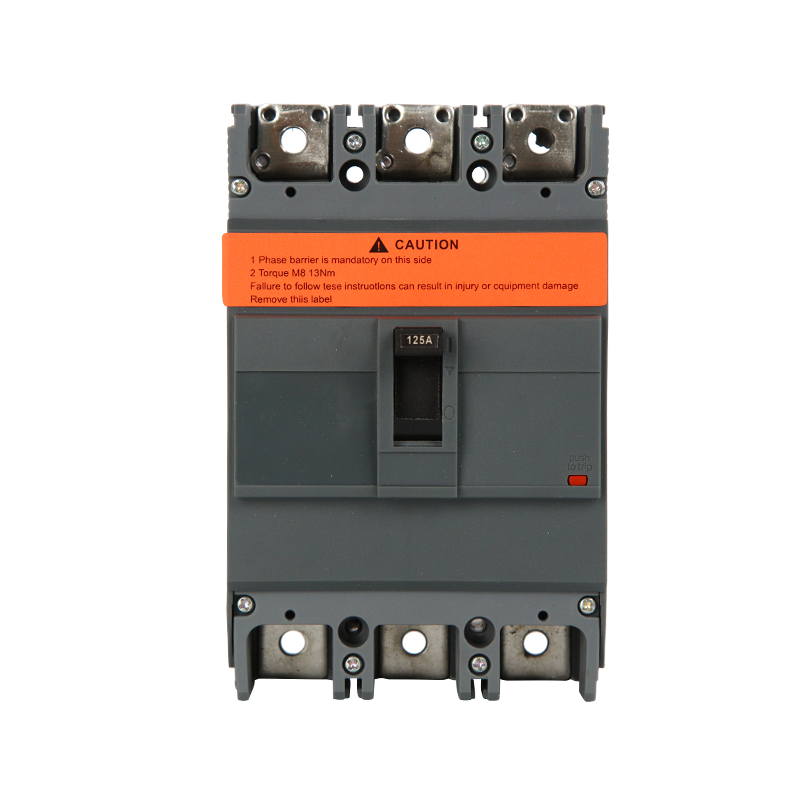
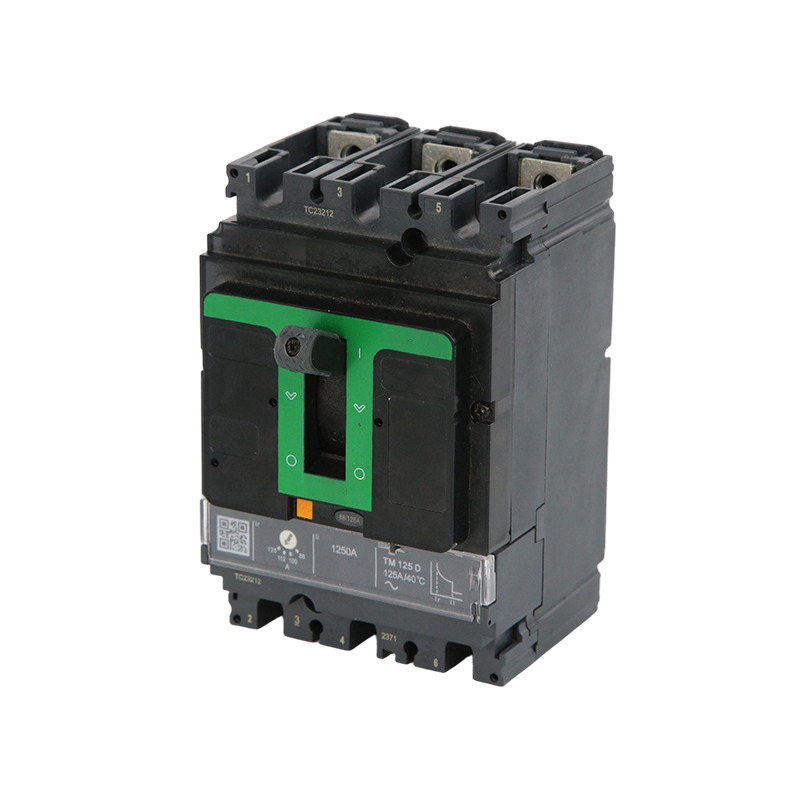
These functions are not theoretical. On the hardware side, a MTM1E digital electronic MCCB packages L, S, I, and G protection into a 125 A frame with 50 kA breaking capacity, which gives designers a practical way to add advanced protection without expanding the switchboard.
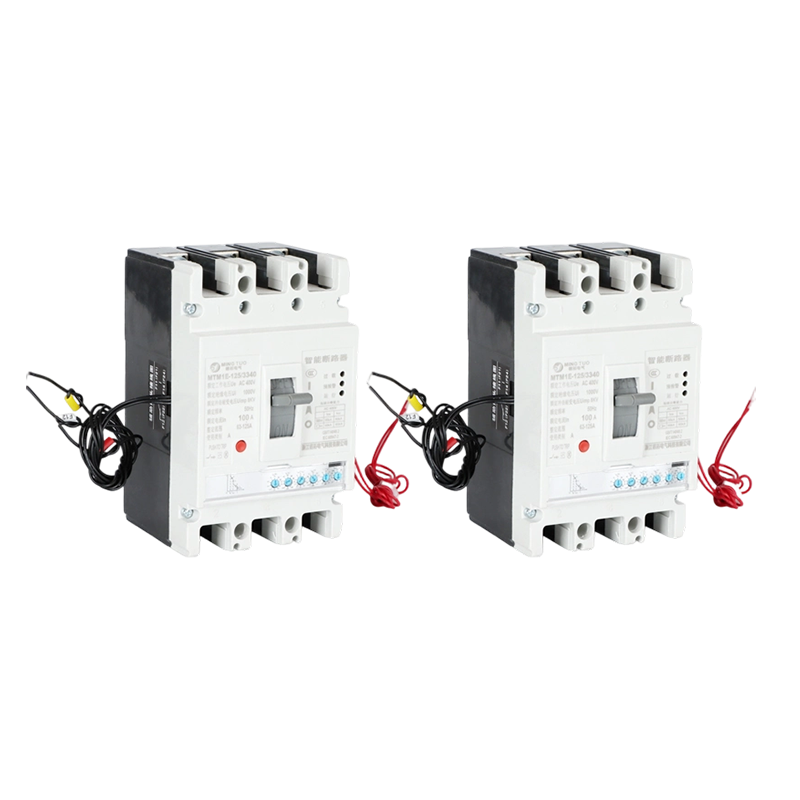 MT-M1 Digital Electronic MCCB, 100-800A, 3/4P, 50kA, Microprocessor-Controlled CMingtuo, China Wholesale MT-M1 Digital Electronic MCCB, 100-800A, 3/4P, 50kA, Microprocessor-Controlled Circuit Breaker Suppliers and MT-...View Product →
Selectivity, sometimes called discrimination, is the main reason most engineers look for molded case circuit breaker advanced protection features in the first place. In a distribution board, an incoming breaker, a feeder breaker, and a final circuit breaker are connected in series. If a fault occurs on a final circuit, only that breaker should open. If the feeder or incoming breaker also trips, healthy circuits lose power unnecessarily.
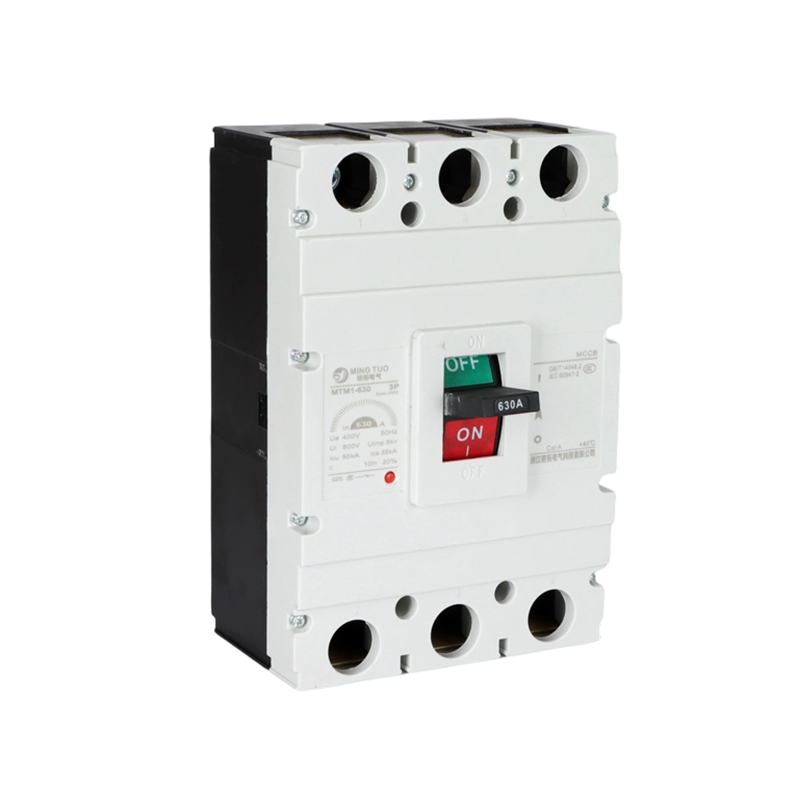
Consider a board with a 630 A incoming MCCB and 160 A feeder MCCBs. Without a short-time delay, a fault on one feeder can cause the incoming breaker to trip at the same time as the feeder breaker. The result is an outage across the entire board. With adjustable S and I settings, the incoming breaker waits for the feeder breaker to clear the fault, and the outage remains limited to the faulty feeder while the rest of the installation continues to operate. That reduction in outage area is the most visible economic benefit of advanced protection.
Zone interlocking takes selectivity one step further. Electronic trip units in different breakers communicate with each other and block upstream tripping unless the downstream breaker fails to clear the fault. Compared with fixed time grading, zone interlocking clears faults faster while preserving selectivity, which reduces stress on the equipment and shortens the time the installation runs with a live fault.
Advanced protection features are only effective when the breaker itself is correctly specified. The checklist below covers the points that determine whether a protection scheme will work.
One point is worth repeating: the breaking capacity must be verified at the point of installation, not only on the product label. A breaker that opens correctly under test may fail in service if the available fault current at its terminals is higher than the rated value.
In an industrial plant, electronic MCCBs are often installed in motor control centers, where they protect motor feeders and coordinate with soft starters or variable speed drives. In a commercial building, they appear in main distribution boards and sub-main switchboards, where selectivity between levels is essential. In a solar PV plant, DC-rated MCCBs protect the DC side of inverters and strings; because DC fault behavior differs from AC, the protection functions must be selected for direct-current operation.
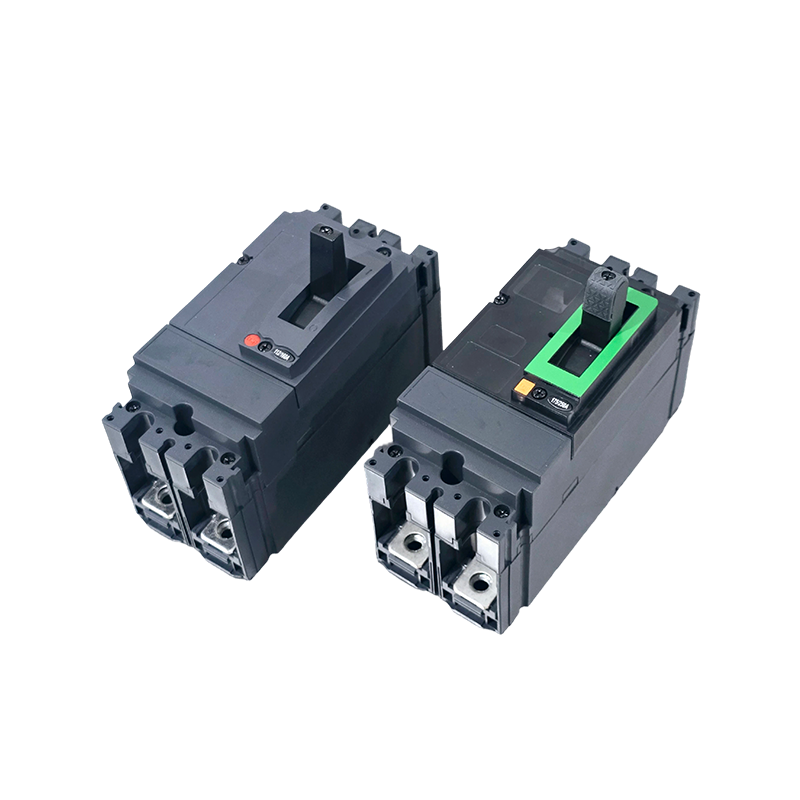
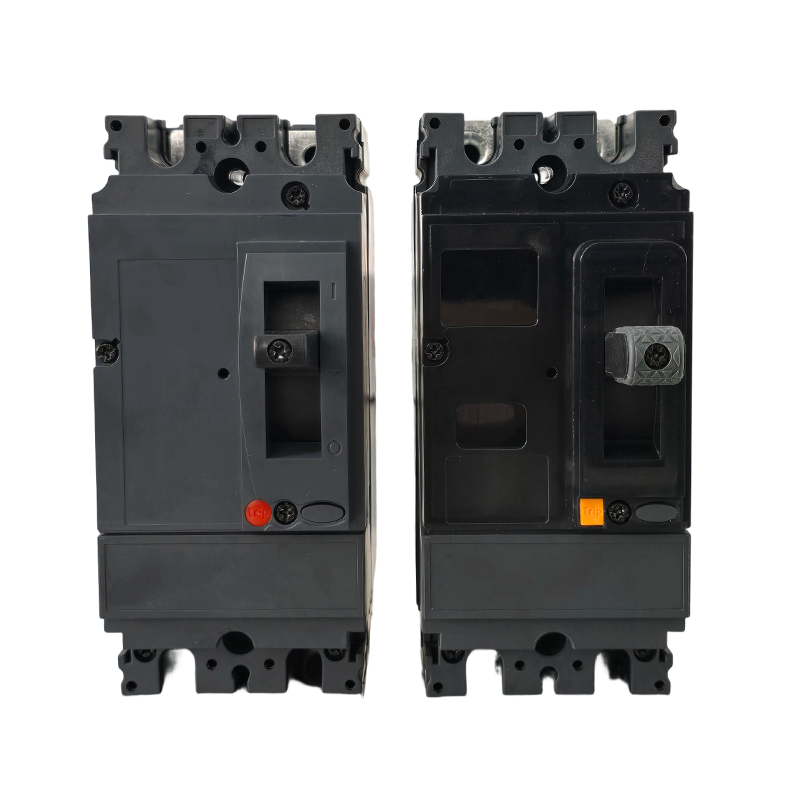
On the product side, the specific choice depends on the system and application. For conventional low-voltage distribution, a common choice is the 100 A to 1600 A MTNSX series MCCB, which combines a wide current range with the adjustability needed for feeder protection. For simpler fixed-load panels, the EZC series MCCB provides the same 100 A to 1600 A coverage for standard low-voltage power circuits without the cost of a fully electronic trip unit.
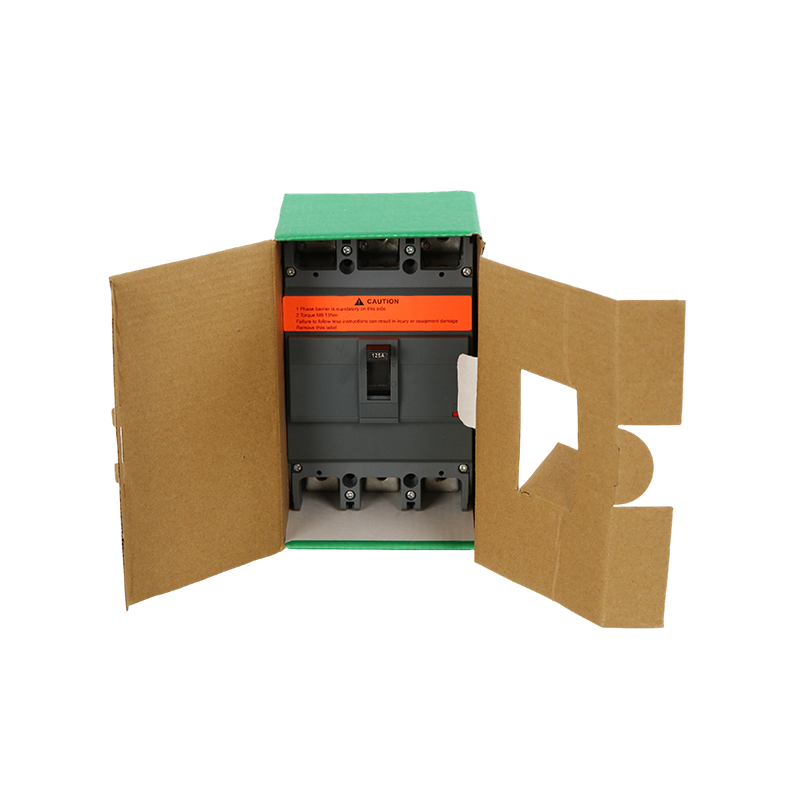 EZC Molded Case Circuit Breaker 100A–1600A for Low-Voltage Power Distribution SuMingtuo, China Wholesale EZC Molded Case Circuit Breaker 100A–1600A for Low-Voltage Power Distribution Suppliers and EZC Molded Case Circ...View Product →
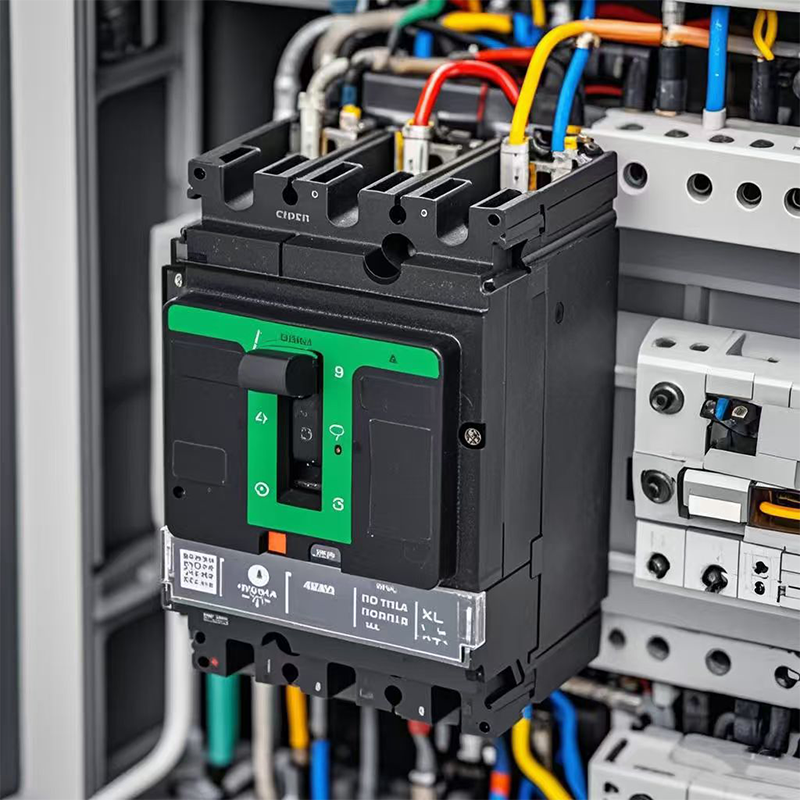 MT-NSX 3/4P 100A-630A AC Molded Case Circuit Breaker for Industrial & CommercialMingtuo, China Wholesale MT-NSX 3/4P 100A-630A AC Molded Case Circuit Breaker for Industrial & Commercial Distribution Suppliers and MT-N...View Product →
Selecting a breaker is easier when the manufacturer can document its production process and quality control. Our manufacturing and engineering background covers both low-voltage and medium-voltage breakers, which matters when a project needs consistent protection behavior across the whole installation. For a broader overview of the field, our low-voltage and medium-voltage protection guide explains how different breaker classes fit together. If you want to compare protection curves for a specific board, contact our engineering team with the one-line diagram and the fault study values.
Choosing a molded case circuit breaker is not only about current rating and price. The protection functions in the trip unit determine how well the breaker protects the circuit, how much of the installation stays online during a fault, and how easy the system is to maintain. For projects where outages are costly and coordination is complex, electronic trip units with adjustable L, S, I, and G protection are the practical baseline. Starting with a clear protection study and selecting a breaker that can match it will save more time and money than troubleshooting unwanted trips later.
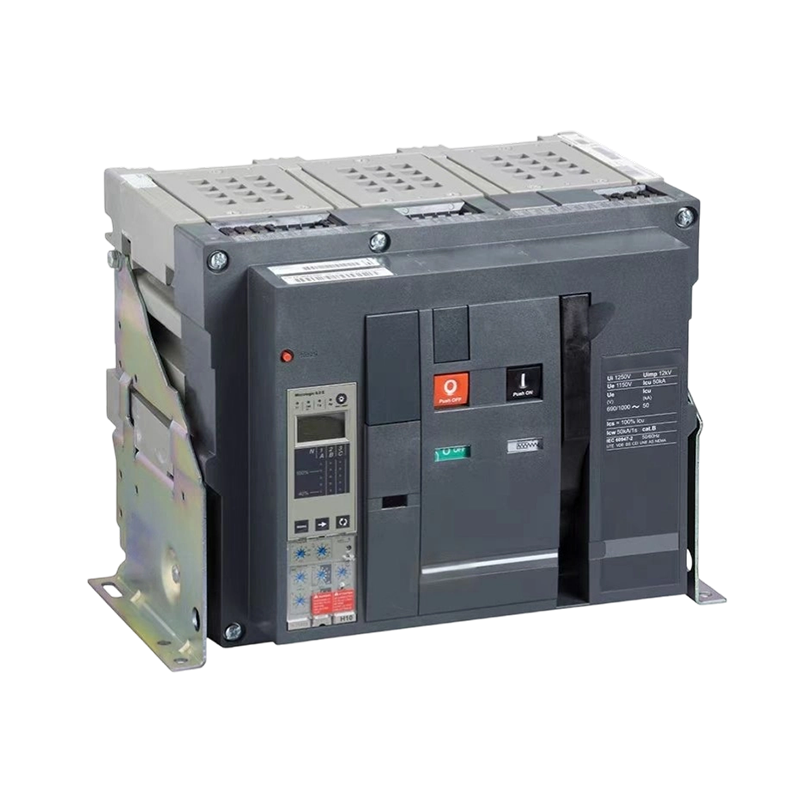
Zhejiang Mingtuo Electrical Technology Co., Ltd. All Rights Reserved.
Electrical Protection Circuit Breakers Medium Voltage Circuit Breakers Manufacturers Low Voltage Circuit Breakers Factory
