 English
 Français
 Español
 عربى
عربىIndustry News
Home / News / Industry News / Circuit Breaker vs Disconnect Switch: Key Differences and Selection Guide


Content
A maintenance crew arrives at an industrial control panel to replace a failed motor contactor. The electrician turns the handle of the disconnect switch to the off position, sees the visible air gap inside, applies a lockout tag, and only then starts working. Thirty meters away, a circuit breaker has just tripped during a short-circuit fault, isolating a damaged feeder cable before anyone noticed. Both devices interrupt the flow of power. But they do so for completely different reasons, and using one where the other belongs creates serious safety, uptime, and compliance problems.
A disconnect switch, also called an isolator or disconnector, is a manually operated switching device whose job is to isolate a circuit or piece of equipment from its supply source. It provides a positive, visible air gap in the open position so that maintenance personnel can verify that the circuit is dead before they touch it. That visible break is the core reason disconnect switches exist.
Disconnect switches do not detect overcurrent and they do not trip by themselves. Many designs can break normal load current, but they are not intended to interrupt fault current. In a properly designed installation, the disconnect switch is operated after the circuit has already been de-energized by a circuit breaker, or under load conditions well within the switch's rated breaking capacity.
A circuit breaker is a protective switching device that automatically interrupts current when it detects an overload or a short circuit. It combines the everyday switching function of a disconnect switch with the overcurrent protection of a fuse, but it can be reset after tripping instead of being replaced.
The sensing mechanism inside the breaker continuously measures current. When the current exceeds the rated threshold for a set time, the mechanism releases and the contacts open, forcing the arc into the arc chutes where it is quenched. Because they must handle fault currents, circuit breakers carry ratings that disconnect switches do not: breaking capacity in kiloamperes, trip curves, and short-time withstand ratings.
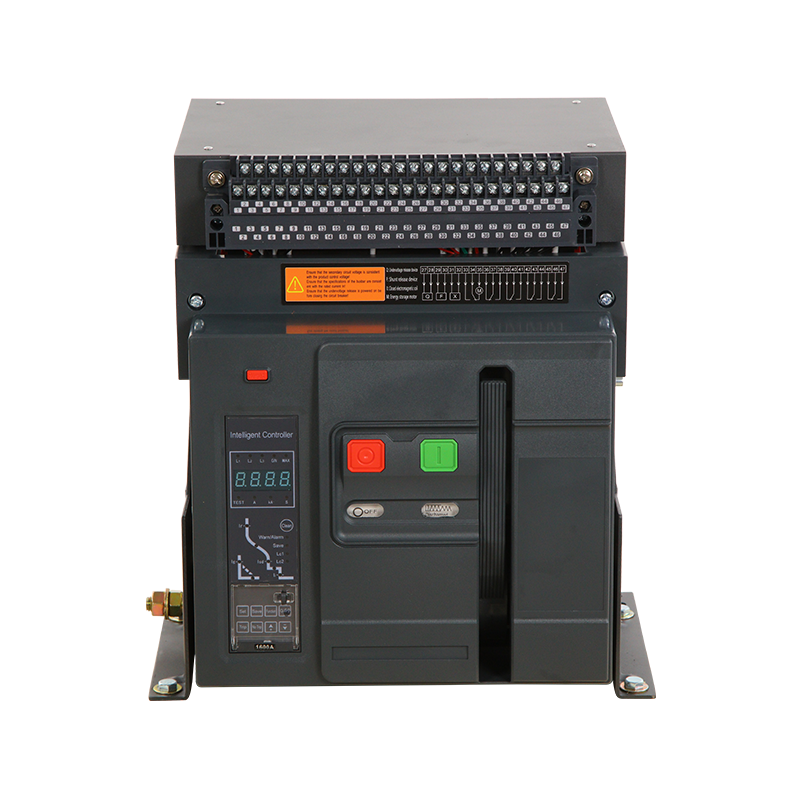
For low-voltage distribution panels, the moulded case circuit breaker is the workhorse. An EZC series molded case circuit breaker covers ratings from 100 A to 1600 A and can be matched to feeder cables and load characteristics. The ability to coordinate trip settings is what makes a breaker an active protection device rather than a passive switch.
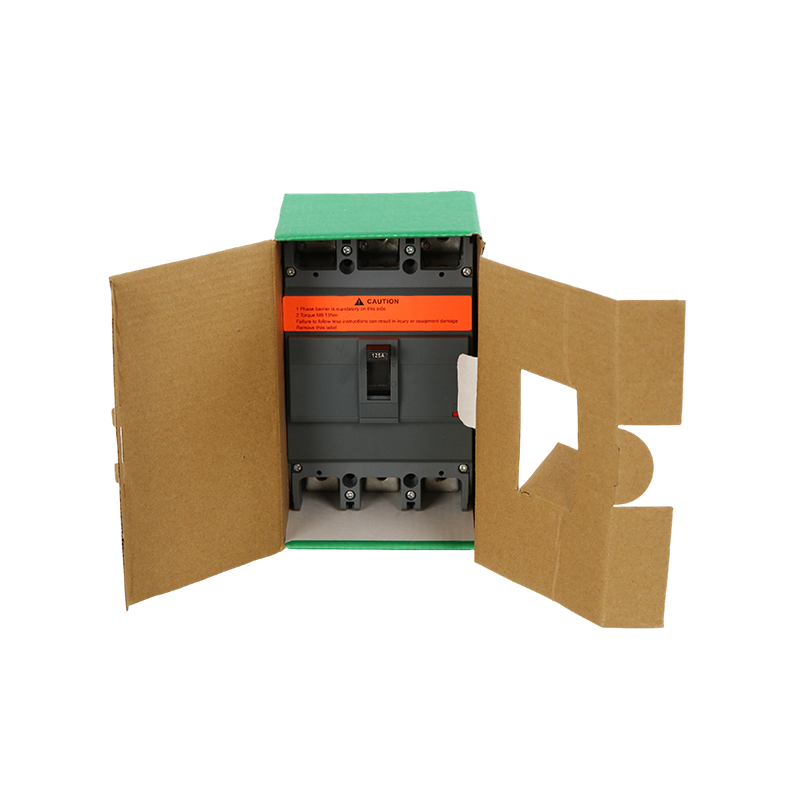 EZC Molded Case Circuit Breaker 100A–1600A for Low-Voltage Power Distribution SuMingtuo, China Wholesale EZC Molded Case Circuit Breaker 100A–1600A for Low-Voltage Power Distribution Suppliers and EZC Molded Case Circ...View Product →
Here is a side-by-side comparison of the two devices in the way engineers actually use them.
| Feature | Disconnect Switch | Circuit Breaker |
|---|---|---|
| Primary function | Manual isolation for safe maintenance | Automatic overcurrent and short-circuit protection |
| Operation | Manual only | Automatic plus manual |
| Interrupts fault current | No | Yes, up to rated breaking capacity |
| Visible contact gap | Yes | No |
| Lockout/tagout capability | Yes, with padlock provision | Rarely, no visible break |
| Overload protection | No | Yes |
| Short-circuit protection | No | Yes |
| Reset after fault | Not applicable | Yes, reset and re-close |
| Typical standard | IEC 60947-3, UL 98 | IEC 60947-2, UL 489 |
A circuit breaker reacts to what is happening inside the conductor. When a cable is overloaded or a motor winding shorts, the breaker trips on its own. A disconnect switch does nothing by itself; it simply sits in the circuit conducting current until someone operates it. If the application needs protection, a disconnect switch alone is not enough.
Safety regulations and lockout/tagout procedures rely on the principle of visible isolation. A disconnect switch gives you a clear open position and often a visible air gap. A circuit breaker shows a handle position, but the contacts are sealed inside the moulded case; you cannot see whether they are truly open. For this reason, experienced engineers treat a tripped breaker as an indication of a fault, but still use a visible disconnector before permitting hands-on work.
The most important engineering distinction is breaking capacity. A circuit breaker is tested to interrupt short-circuit currents, for example 50 kA at 415 V, without damage. A disconnect switch is not designed for that duty. Opening a disconnect switch while it is carrying fault current creates an arc that can destroy the device and injure the operator. The correct sequence is always: open the breaker first, then operate the disconnect.
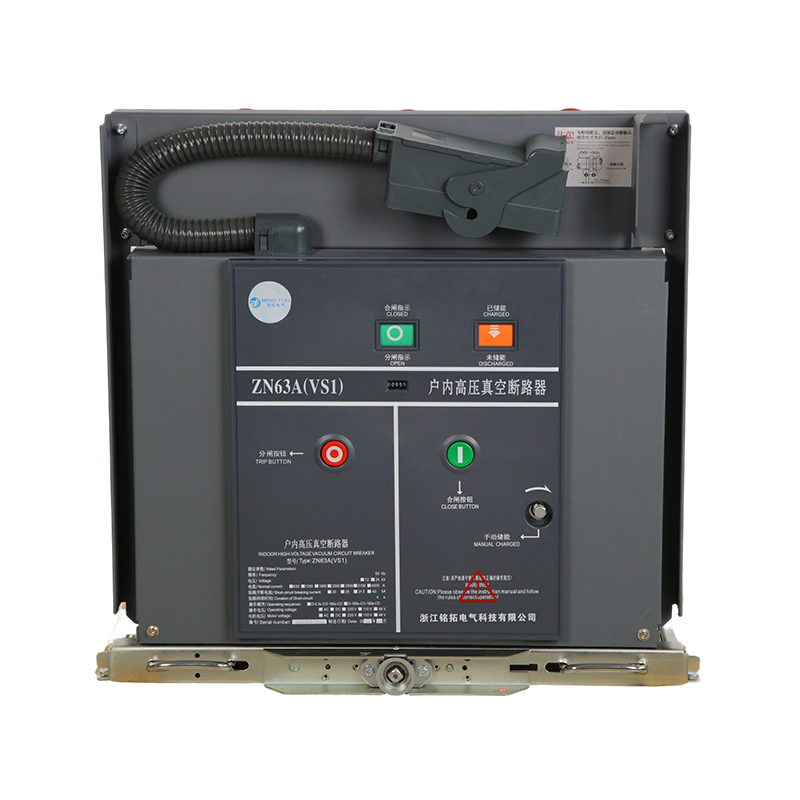
The installation must be both protected and maintainable. In a motor control centre, a breaker or fused switch protects the branch circuit, while a disconnect switch at the motor provides visible isolation. In medium-voltage substations, the VS1 12 kV indoor vacuum circuit breaker clears faults and switches load current, while an adjacent disconnector gives the maintenance crew a visible break.
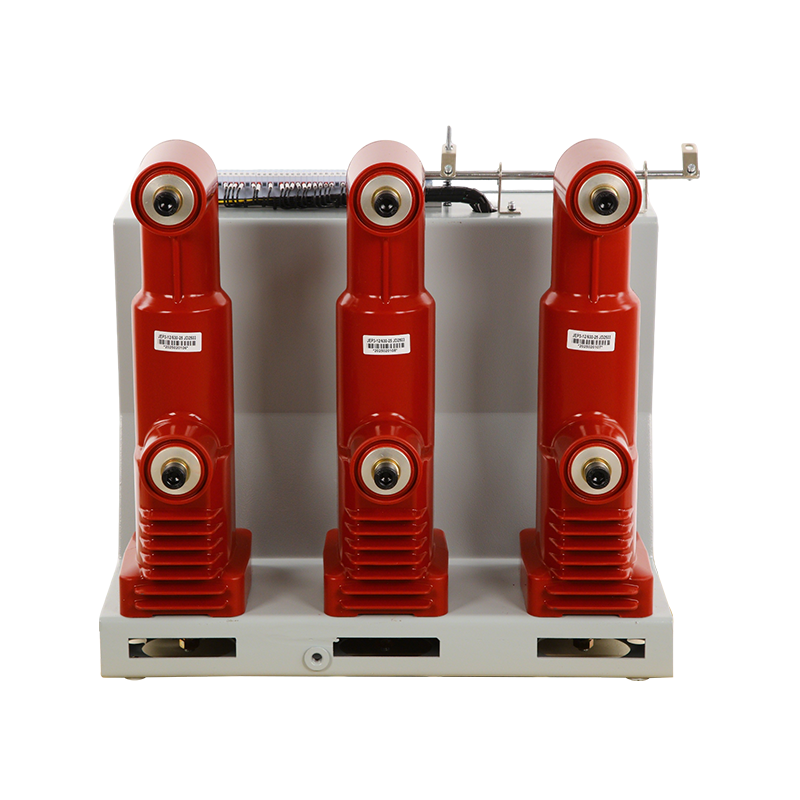 VS1 12kV Medium-Voltage Indoor Drawout Vacuum Circuit Breaker, 31.5kA Suppliers,Mingtuo, China Wholesale VS1 12kV Medium-Voltage Indoor Drawout Vacuum Circuit Breaker, 31.5kA Suppliers and VS1 12kV Medium-Voltage Indo...View Product →
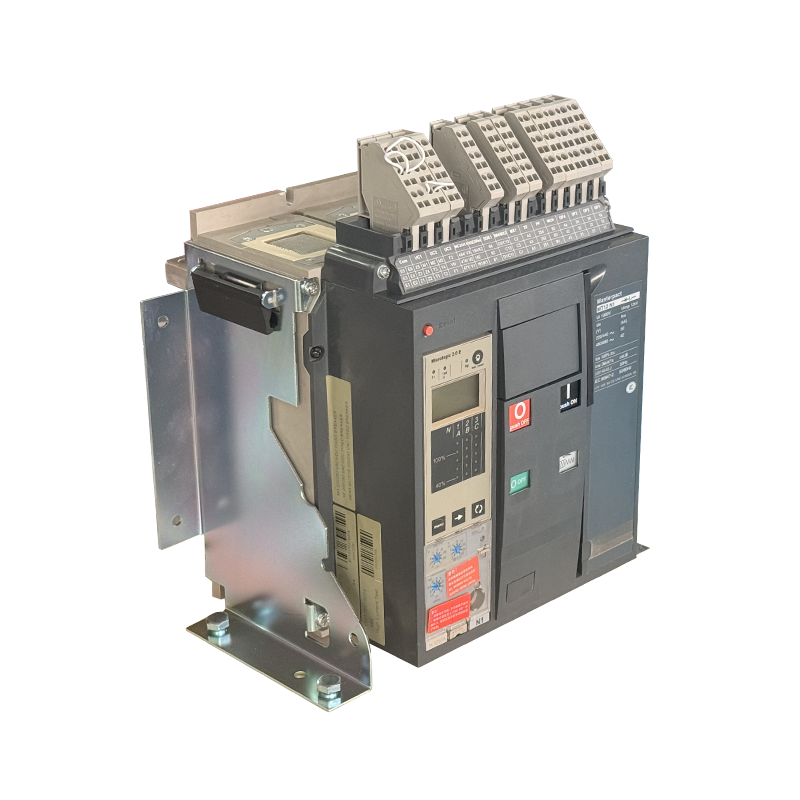
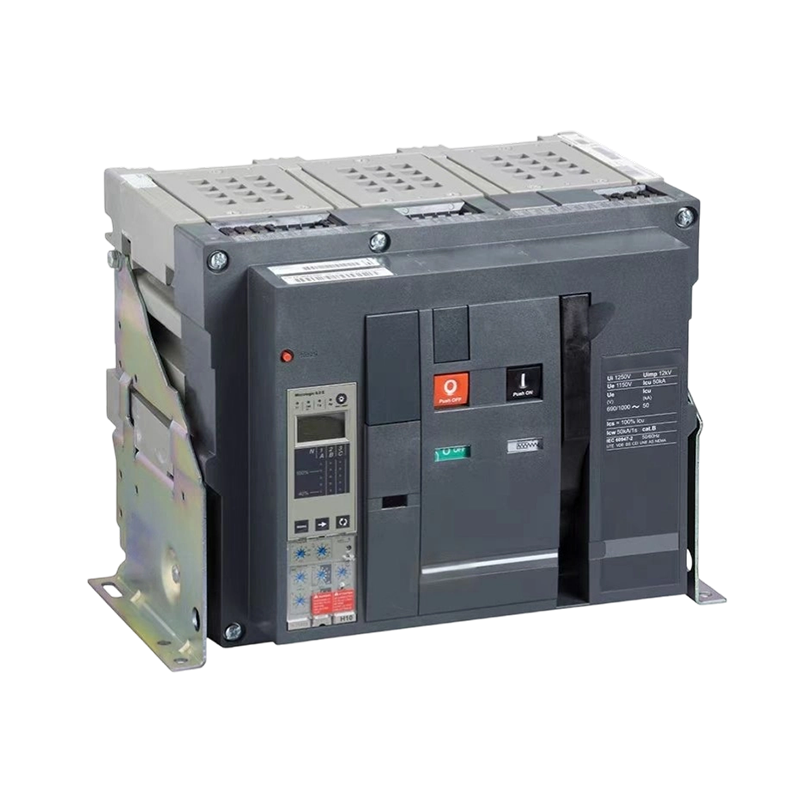
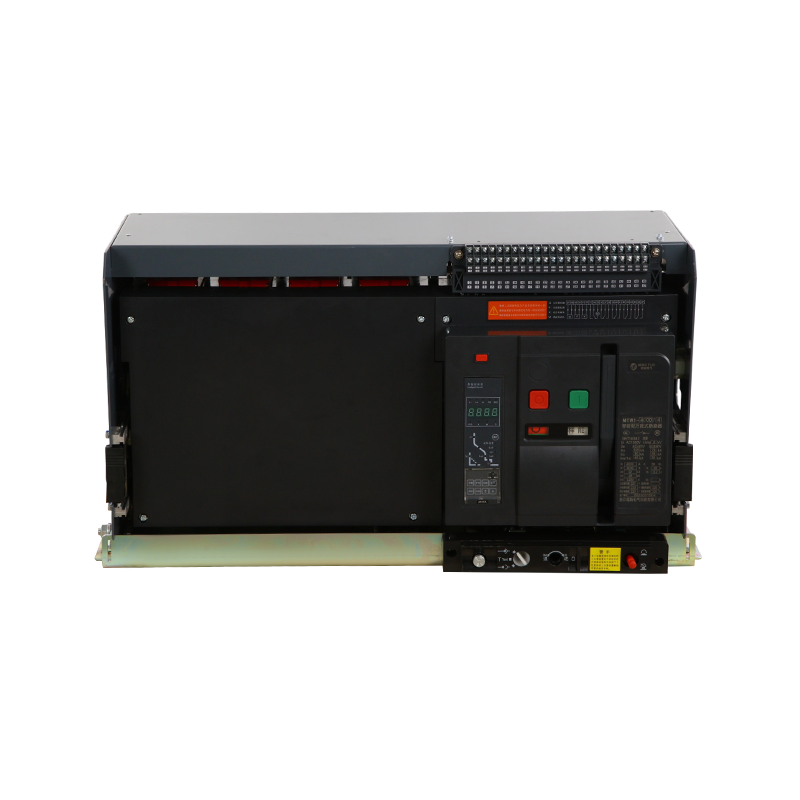
In a typical low-voltage switchboard, the main incoming breaker protects the busbar and the feeder breakers protect each outgoing circuit. At the machine itself, a local disconnect switch provides the lockable isolation point required by work permits. This two-layer arrangement is the standard for industrial power systems. For large distribution systems with high fault levels, an air circuit breaker is often used on the main bus. A high-performance air circuit breaker rated from 1600 A to 6300 A combines adjustable overcurrent protection with a drawout design, so the whole breaker can be physically withdrawn for maintenance while the board remains energised.
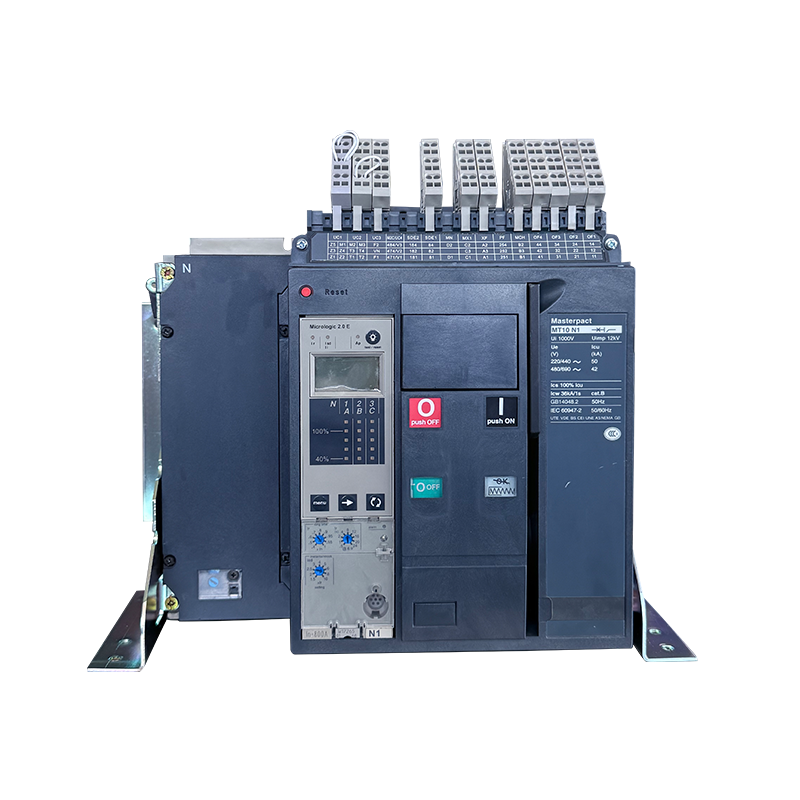 High-Performance Air Circuit Breaker 1600A–6300A, Fixed and Drawout Type SupplieMingtuo, China Wholesale High-Performance Air Circuit Breaker 1600A–6300A, Fixed and Drawout Type Suppliers and High-Performance Air Circ...View Product →
In a substation the difference is even sharper. The vacuum circuit breaker clears fault currents and performs load switching during normal operation. The disconnect switch is operated only after the breaker is open. It is never expected to interrupt load current. Operators confirm the visible open position of the disconnector, then apply earthing before working on the busbar.
DC circuits create their own challenges. A PV array needs a DC isolator so installers can disconnect the panels before touching the inverter, and a DC-rated breaker protects the cables from overcurrent. Backup power systems show the same pattern: an automatic transfer switch selects between the utility and the generator, but it does not provide protection; the breakers on each incoming feeder do. If you are working through a full protection layout, our guide to low-voltage and medium-voltage electrical protection explains the selection logic in more detail.
When you specify either device, the manufacturer must state the standard it complies with. Disconnect switches are tested to IEC 60947-3 or UL 98. Circuit breakers are tested to IEC 60947-2 or UL 489. The product name alone does not tell you whether the device can interrupt fault current; check the rated breaking capacity, the rated current, and, for disconnectors, the utilization category, which defines whether it can break load current or only isolate an already de-energized circuit.
A fused disconnect switch is the middle ground. It combines a manual switch with fuse holders, so it can provide overcurrent protection through the fuses. Once the fuses blow, they must be replaced, and the fuse interrupting rating must match the available fault current. In most industrial panels, a resettable circuit breaker is more practical because it avoids holding spare fuse inventories and allows faster re-energization.
Choose a circuit breaker when the job demands automatic protection. It detects overloads and short circuits, interrupts them safely, and can be reset after the fault is cleared. Choose a disconnect switch when the job demands a positive, visible, lockable separation so that people can work safely. In industrial, commercial, and utility installations, the correct engineering answer is usually both: a circuit breaker for protection and a disconnect switch for isolation.
The breaker is the component that prevents damage in a fault, so its selection deserves the most attention. As a manufacturer focused on low- and medium-voltage circuit breakers, Mingtuo Electrical designs its products for precisely these fault conditions; you can review our company background to understand the manufacturing and testing philosophy behind them.
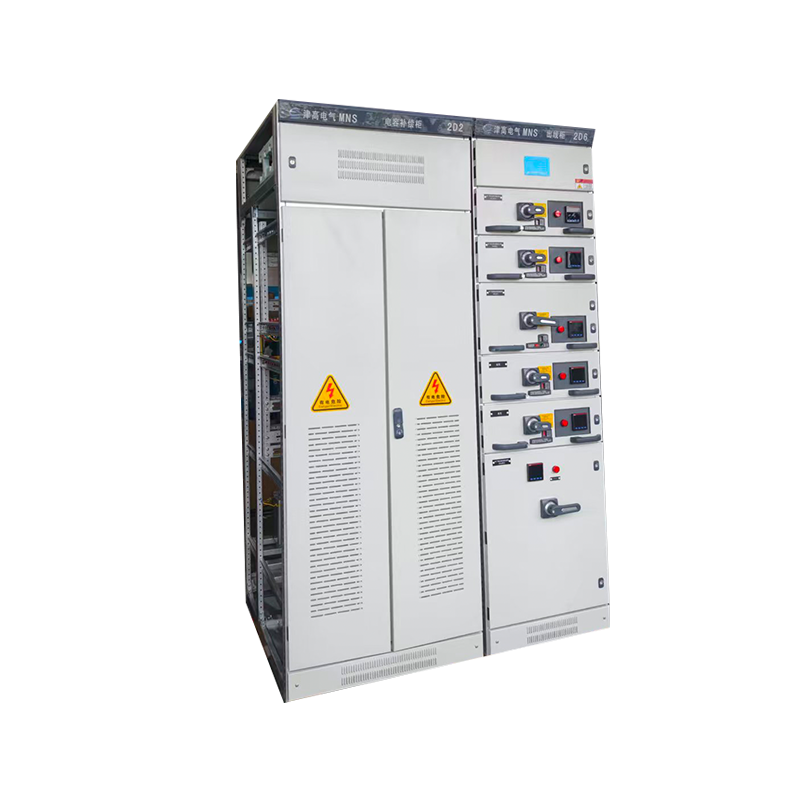
Zhejiang Mingtuo Electrical Technology Co., Ltd. All Rights Reserved.
Electrical Protection Circuit Breakers Medium Voltage Circuit Breakers Manufacturers Low Voltage Circuit Breakers Factory
