 English
 Français
 Español
 عربى
عربىIndustry News
Home / News / Industry News / What Is a Circuit Breaker Used For? Core Functions, Types and How to Select


Content
A maintenance engineer resets a tripped breaker in a distribution board, and it trips again a minute later. The breaker is working correctly — a damaged socket has created a fault, and the device interrupted the circuit before the overheated cable could start a fire. In short, a circuit breaker is an automatically operated switch that protects conductors, equipment, and people from overloads and short circuits.
Unlike a fuse, which must be replaced after it operates, a breaker can be reset and reused. That is why breakers are used across residential panels, commercial buildings, industrial plants, and utility networks. The core question is how to match the breaker to each specific duty.
When current exceeds a conductor’s rating, heat builds up quickly. A cable rated for 16 A that carries 25 A for a prolonged period will exceed its insulation temperature limit and eventually fail. The breaker is sized to open the circuit before that happens. The same protection extends to motors, transformers, and power supplies, which can be damaged or destroyed by sustained overcurrent.
A breaker also limits the duration of a short circuit. A phase-to-phase fault can drive current to tens of thousands of amperes; left uninterrupted, it creates massive arc energy that can destroy switchgear and endanger anyone nearby. By clearing the fault in milliseconds, the breaker protects both the installation and the people who operate it.
Breakers respond to two different fault conditions, and the distinction drives the selection process.
An overload is a current above the rated value that still flows through its intended path. Examples include too many appliances on one circuit, a partially stalled motor, or a defective heater. Overloads are usually modest — often 1.5 to 2 times the rated current — and they cause damage through heat over time. The thermal mechanism in the breaker handles this by tripping faster as current rises.
A short circuit occurs when current takes an unintended path, such as phase-to-phase or phase-to-earth contact. Fault currents can reach thousands of amperes almost instantly. This is the magnetic trip function’s job: it reacts within milliseconds to interrupt the fault before contacts, busbars, or cables are destroyed.
Tripping curves define how sensitive the breaker is. A B-curve device trips at 3 to 5 times its rated current, a C-curve at 5 to 10 times, and a D-curve at 10 to 20 times:
Inside a typical low-voltage breaker, a bimetallic strip provides thermal protection: as overload current heats the strip, it bends and releases the latch. An electromagnetic coil provides magnetic protection: the high current of a short circuit creates a magnetic field strong enough to trip the mechanism instantly. Together, the two mechanisms respond to both time-dependent overloads and instantaneous faults.
When the contacts separate, an arc forms between them. The breaker must extinguish this arc quickly, or the circuit will keep conducting. Low-voltage designs use arc chutes with metal plates that split and cool the arc; medium-voltage vacuum breakers open inside a sealed chamber where the arc dies at the first current zero.
The relevant rating here is the breaking capacity — the maximum short-circuit current the breaker can clear without damage. A breaker with too low a breaking capacity for its installation point cannot be relied upon to clear a real fault.
Each application has a breaker family that fits it best. The main categories in low- and medium-voltage distribution are compared below.
| Type | Voltage | Typical current range | Common applications |
|---|---|---|---|
| Miniature circuit breaker (MCB) | Up to 400 V | Up to 125 A | Residential panels, lighting, socket outlets, small commercial circuits |
| Molded-case circuit breaker (MCCB) | Up to 690 V | 16 A to 1600 A | Distribution boards, industrial feeders, motor protection, panelboards |
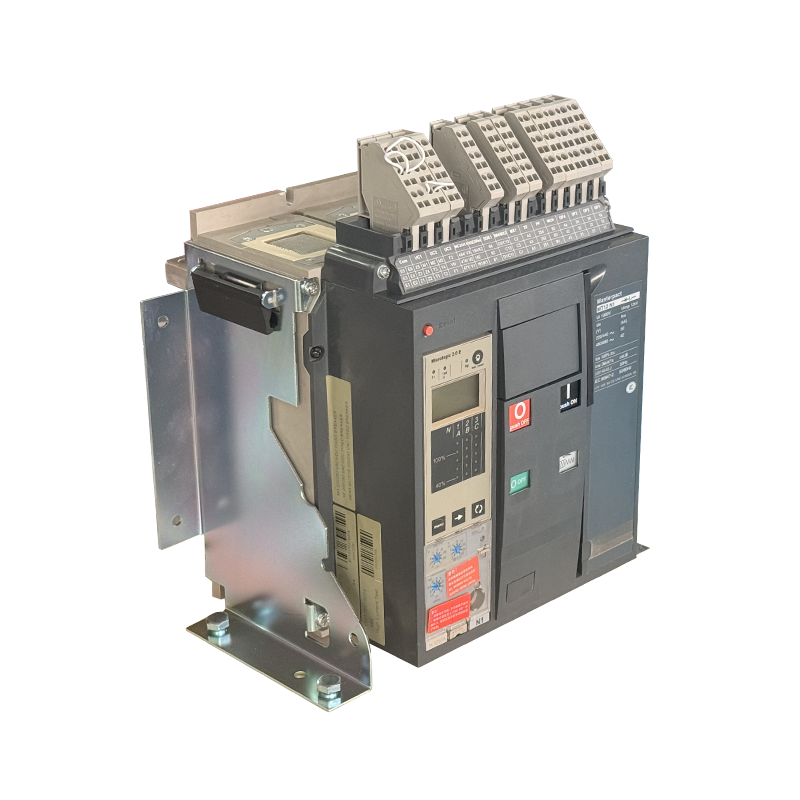
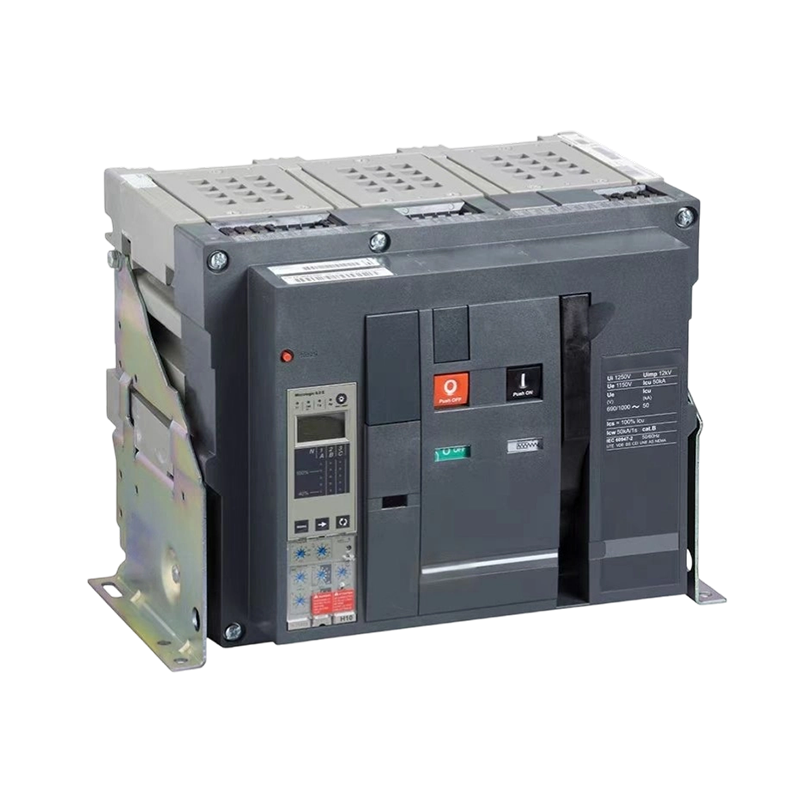
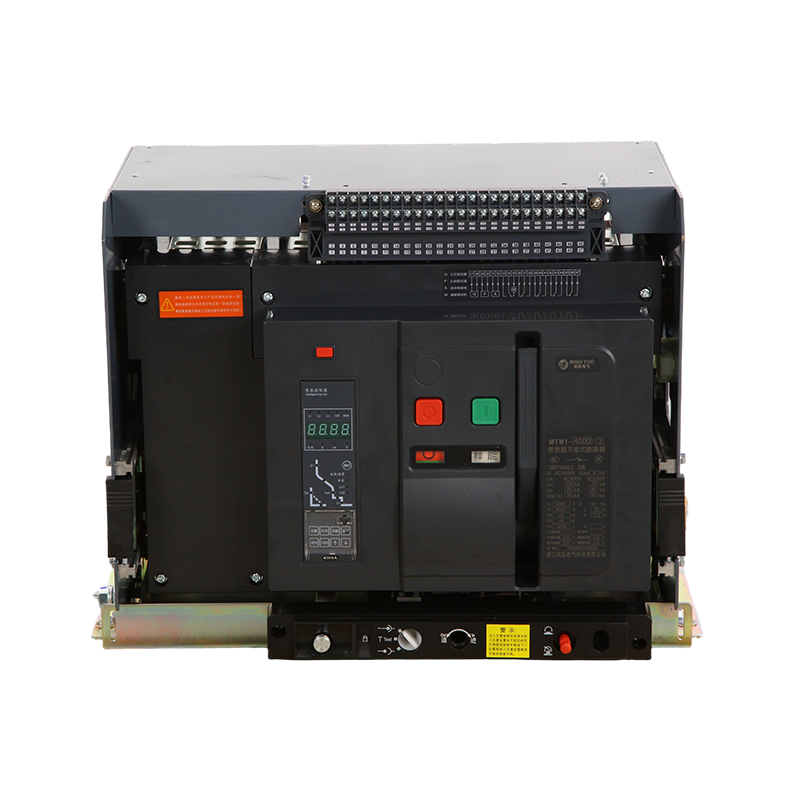
| Air circuit breaker (ACB) | Up to 690 V | 1600 A to 6300 A | Main incoming switchgear, generator and transformer feeders, large industrial plants |
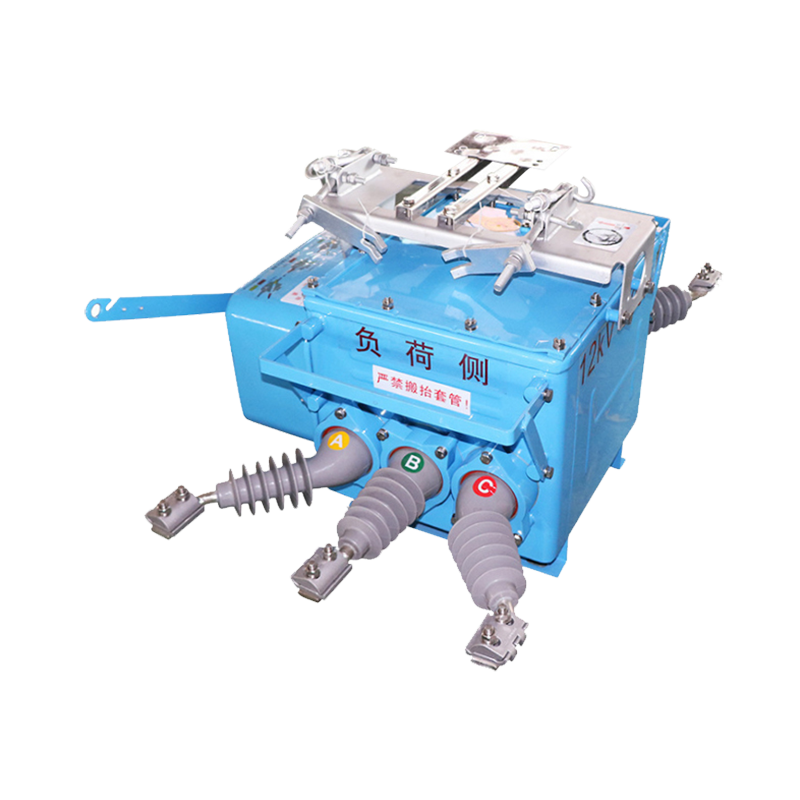
| Vacuum circuit breaker (VCB) | 12 kV to 40.5 kV | 630 A to 3150 A | Medium-voltage switchgear, substations, utility distribution, industrial MV networks |
For distribution boards and industrial feeders, the molded-case circuit breaker is the workhorse. It offers adjustable thermal and magnetic settings, which makes it practical for mixed loads in one panel. The EZC series MCCB, rated from 100 A to 1600 A, is a typical example for low-voltage power distribution.
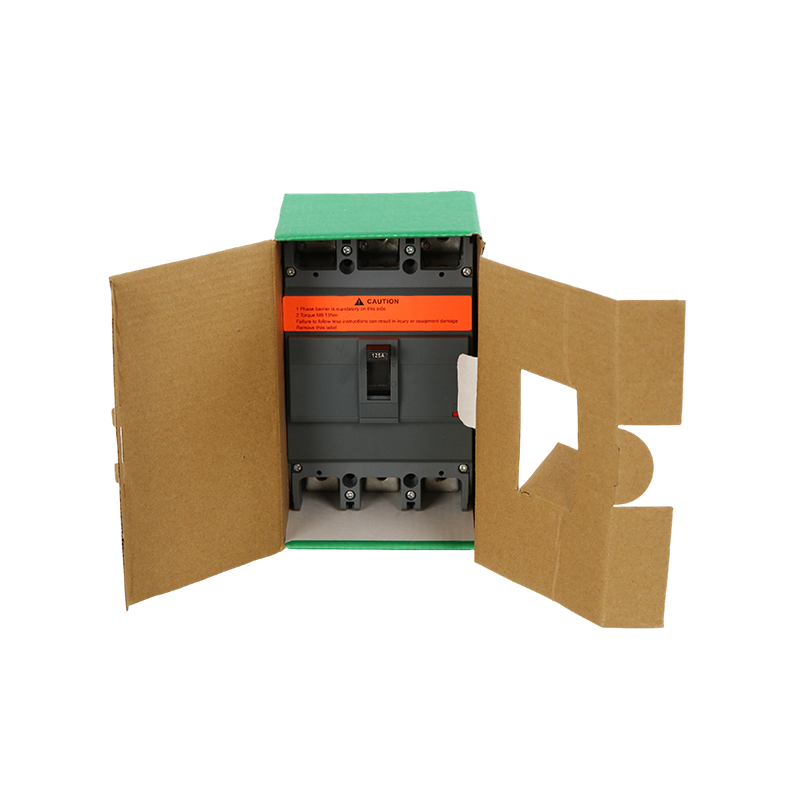 EZC Molded Case Circuit Breaker 100A–1600A for Low-Voltage Power Distribution SuMingtuo, China Wholesale EZC Molded Case Circuit Breaker 100A–1600A for Low-Voltage Power Distribution Suppliers and EZC Molded Case Circ...View Product →
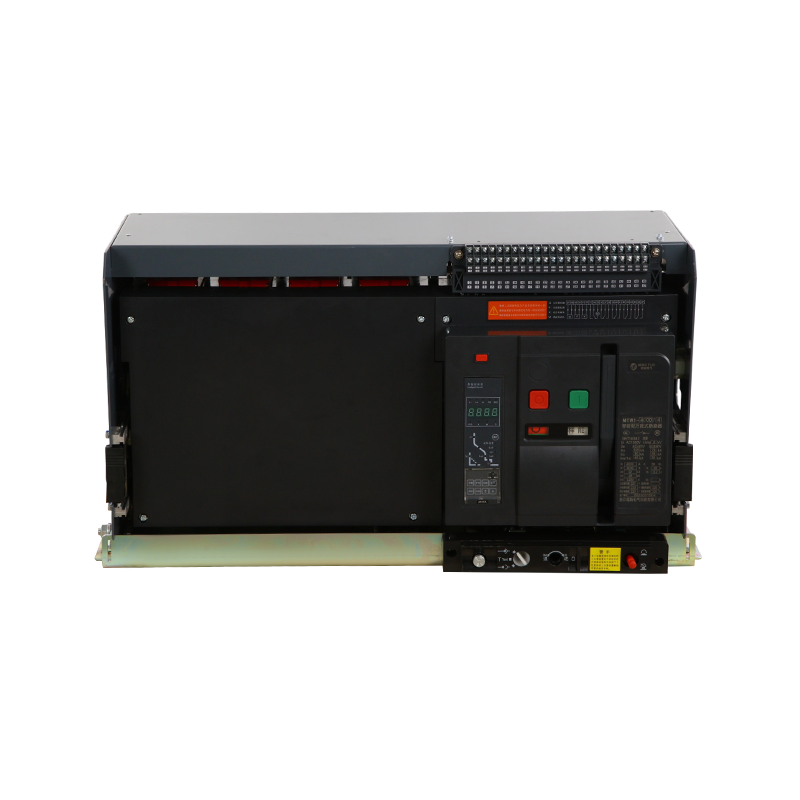
For the main incoming feeder of a large installation, an air circuit breaker is normally required. ACBs cover the highest current ranges and can be drawn out for inspection. A 6300 A drawer-type air circuit breaker is a realistic choice for high-current LV switchboards.
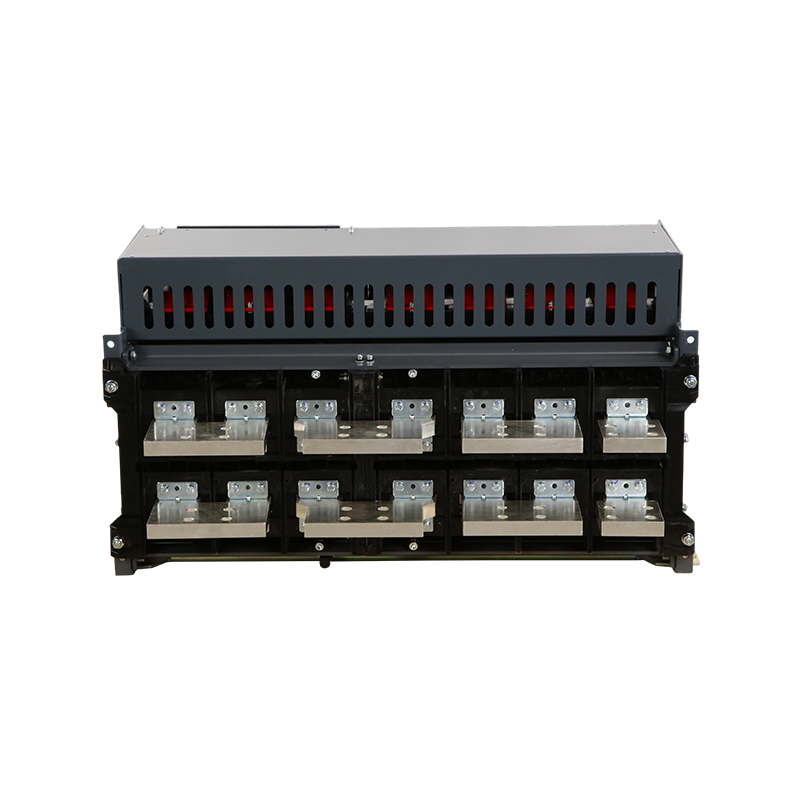 MT 6300A Draw-Out Air Circuit Breaker for High-Current Power Distribution SuppliMingtuo, China Wholesale MT 6300A Draw-Out Air Circuit Breaker for High-Current Power Distribution Suppliers and MT 6300A Draw-Out Air Ci...View Product →
On the medium-voltage side, vacuum circuit breakers dominate because of their long life and low maintenance. In a 12 kV panel, an indoor drawout VS1 vacuum circuit breaker with 31.5 kA breaking capacity is well suited to protecting transformers and distribution feeders.
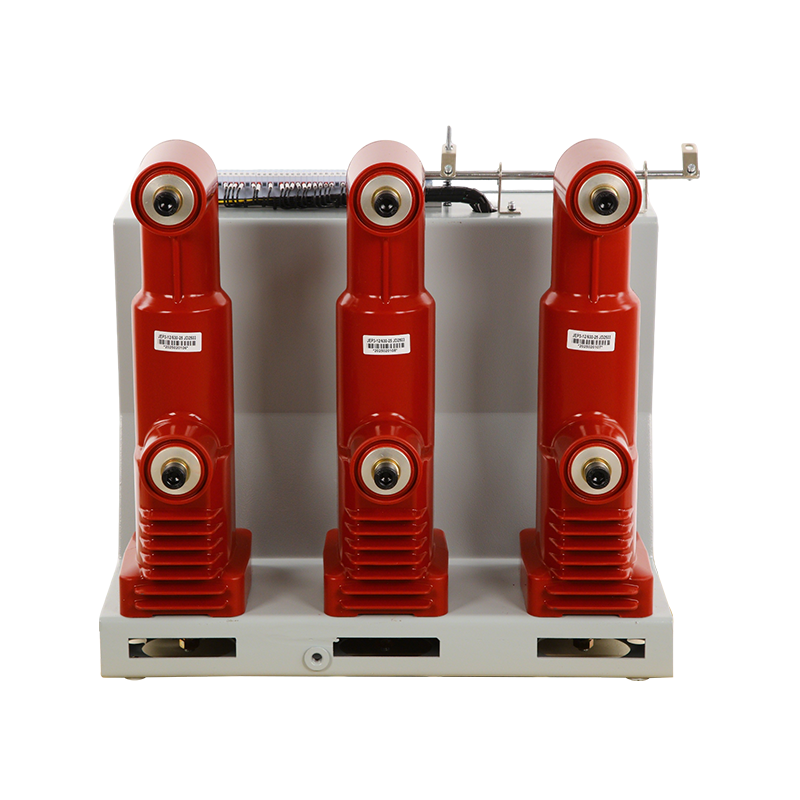 VS1 12kV Medium-Voltage Indoor Drawout Vacuum Circuit Breaker, 31.5kA Suppliers,Mingtuo, China Wholesale VS1 12kV Medium-Voltage Indoor Drawout Vacuum Circuit Breaker, 31.5kA Suppliers and VS1 12kV Medium-Voltage Indo...View Product →
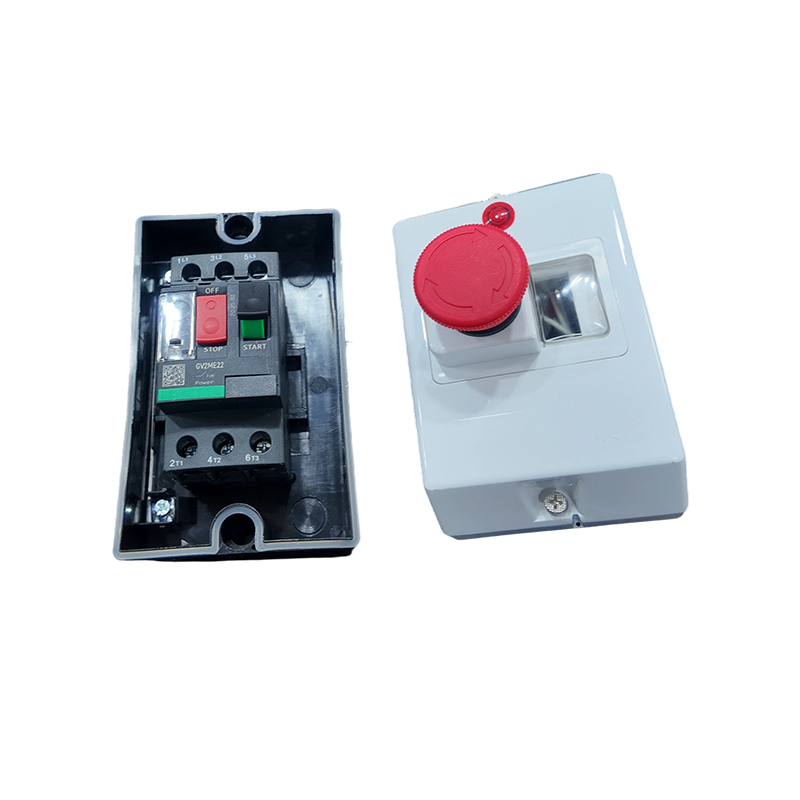
Two more categories matter in practice. Residual current devices (RCDs and RCBOs) detect earth leakage and protect people from electric shock, making them essential for socket outlets and portable equipment. Dedicated DC breakers are used in photovoltaic systems, because a general-purpose AC breaker cannot safely interrupt a DC arc. In backup power schemes, an automatic transfer switch (ATS) is paired with the main breaker to switch between mains and generator supply.
Selection is about matching the breaker to the circuit’s normal conditions and to the maximum fault current at the installation point.
| Parameter | What to check | Why it matters |
|---|---|---|
| Rated voltage | Must match the system voltage (e.g., 230/400 V AC, 12 kV) | A breaker used above its voltage rating cannot guarantee arc extinction |
| Rated current (In) | Equal or slightly higher than the full-load current of the circuit | Prevents nuisance tripping while still protecting the conductor |
| Breaking capacity | Equal or higher than the prospective short-circuit current at the installation point | Determines whether the breaker survives a real fault |
| Trip curve or protection settings | B, C, or D curve; adjustable thermal and magnetic thresholds on MCCBs and ACBs | Matches the inrush characteristics of connected equipment |
| Number of poles | 1P, 2P, 3P, or 4P depending on the system | Ensures complete disconnection of all live conductors |
| Mounting form | Fixed, plug-in, or drawout | Affects how quickly the breaker can be replaced during maintenance |
Start with the load current and conductor size, then determine the prospective short-circuit current from the transformer rating and line impedance. Only then choose the trip curve and breaking capacity. In larger systems, selective coordination between upstream and downstream breakers ensures that a fault trips only the nearest device, keeping the rest of the plant online.
Ratings are meaningful only if the breaker performs exactly as specified, every time. A short circuit is a rare event, but when it happens the breaker must operate without hesitation. Calibration of thermal elements, contact material, and arc-extinguishing components determine whether it trips at the right current and clears the fault cleanly.
This is why manufacturing consistency matters. Zhejiang Mingtuo Electrical Technology, a low- and medium-voltage breaker manufacturer in Liushi, controls the chain from component processing to final assembly and applies 7S management on the production floor, with the company reporting low return rates as a result. For a broader view of how breakers behave in real systems, see our low-voltage and medium-voltage electrical protection guide.
To summarize: a circuit breaker is used to protect circuits, equipment, and people from overloads and short circuits, and to contain faults so a failure in one feeder does not shut down the entire facility. Choose the correct voltage, current, breaking capacity, trip characteristic, and mounting form, and verify the manufacturer’s quality controls before you order. If you are sizing breakers for a switchboard, a photovoltaic plant, or a motor control panel, prepare your system data and discuss it with an application engineer — you can reach the team at Mingtuo through the contact page.
Zhejiang Mingtuo Electrical Technology Co., Ltd. All Rights Reserved.
Electrical Protection Circuit Breakers Medium Voltage Circuit Breakers Manufacturers Low Voltage Circuit Breakers Factory
