 English
 Français
 Español
 عربى
عربىIndustry News
Home / News / Industry News / How Do Medium-Voltage Indoor Vacuum Circuit Breakers Protect Electrical Systems?


Content
Medium-voltage indoor vacuum circuit breakers are protective switching devices used in electrical distribution systems typically ranging from 3.3 kV to 38 kV. They are designed to interrupt fault currents and safely switch circuits under normal or abnormal operating conditions within enclosed indoor environments such as switchgear rooms, substations, and industrial facilities. Their primary function is to detect overcurrent or short-circuit conditions and quickly disconnect the affected circuit to prevent equipment damage, fire hazards, or wider power outages.
Unlike outdoor breakers exposed to weather variables, indoor vacuum circuit breakers operate within controlled environments, which allows for more compact designs and reduced maintenance requirements. Their vacuum interrupter technology has become the industry standard for medium-voltage applications due to its reliability, minimal environmental impact, and long operational lifespan compared to older oil or air-based breaker technologies.
The core mechanism behind these breakers lies in the vacuum interrupter, a sealed chamber containing two contacts, one fixed and one movable, housed in a near-perfect vacuum. When the breaker receives a trip signal, the movable contact separates from the fixed contact, creating an arc between them. Because the surrounding environment lacks air or gas molecules to sustain ionization, the arc extinguishes rapidly, typically within a few milliseconds after the current crosses zero.
This rapid arc extinction is one of the primary advantages of vacuum technology. It minimizes contact erosion, reduces the risk of restrikes, and allows the breaker to perform thousands of operations without significant degradation. The absence of oil or gas also eliminates the need for periodic replacement of insulating or arc-quenching media, simplifying long-term maintenance.
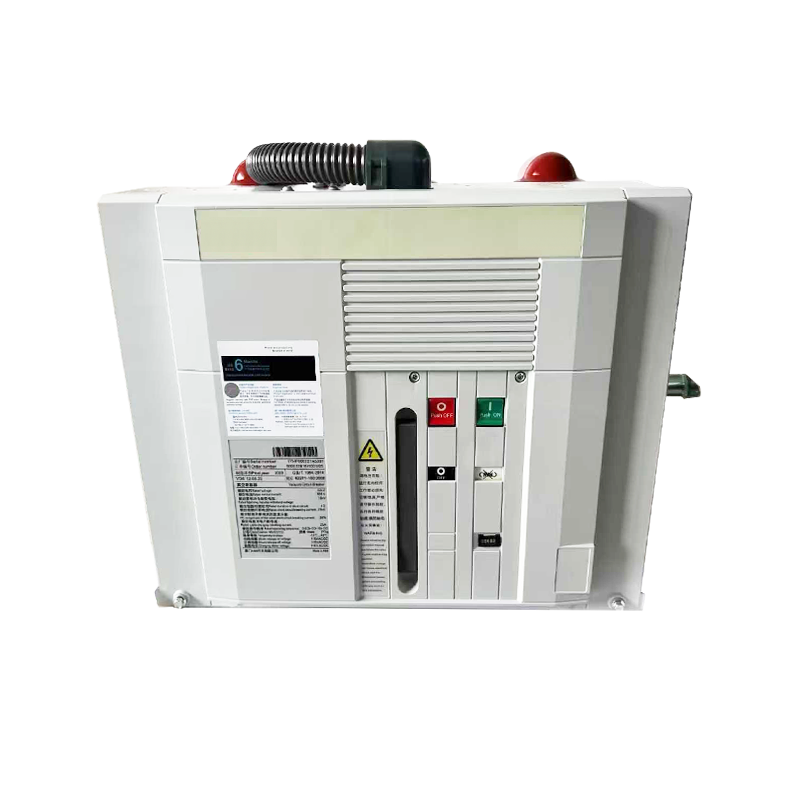
When selecting a medium-voltage indoor vacuum circuit breaker, engineers and procurement teams must assess several technical parameters to ensure the device matches the electrical system's requirements and operating conditions.
While vacuum circuit breakers dominate the indoor medium-voltage market, understanding how they compare to alternative technologies helps clarify why they are the preferred choice for most modern installations.
| Technology | Arc Quenching Medium | Maintenance Level |
| Vacuum | Vacuum chamber | Low |
| SF6 Gas | Sulfur hexafluoride gas | Moderate |
| Oil-filled | Insulating oil | High |
| Air-blast | Compressed air | High |
Vacuum breakers are particularly well-suited for indoor environments because they do not release gases, oil, or particulates during operation, making them safer for enclosed spaces with limited ventilation. Additionally, their compact size compared to SF6 or oil-filled alternatives allows for higher-density switchgear installations, which is valuable in facilities where floor space is limited.
Medium-voltage indoor vacuum circuit breakers serve a wide range of industries where reliable power distribution and protection are essential. Their versatility makes them suitable for both utility and industrial applications.
Proper installation of medium-voltage indoor vacuum circuit breakers is critical to ensuring both operational reliability and personnel safety. Given the high voltages and fault currents involved, installation should always be performed by qualified electrical engineers or technicians familiar with medium-voltage switchgear systems.
Adequate clearance must be maintained around the breaker for ventilation, maintenance access, and arc flash protection. Facilities should also ensure that protective relays and control circuits are properly coordinated with the breaker's tripping characteristics to achieve selective coordination, minimizing unnecessary outages during fault conditions. Grounding systems must be verified and tested regularly to maintain safety compliance with applicable electrical codes and standards.
Arc flash hazards remain a significant safety concern when working with medium-voltage equipment. Conducting an arc flash risk assessment during installation helps determine appropriate personal protective equipment requirements and safe working distances for maintenance personnel, reducing the likelihood of serious injury during inspections or repairs.
Although vacuum circuit breakers require significantly less maintenance than older breaker technologies, routine inspection remains essential for long-term reliability. Establishing a structured maintenance schedule helps identify potential issues before they escalate into equipment failures or unplanned outages.
Understanding common failure modes helps maintenance teams diagnose issues more efficiently and reduce downtime. One frequent problem involves loss of vacuum integrity within the interrupter, which can occur due to manufacturing defects or long-term wear, resulting in reduced interrupting capability. This issue typically requires interrupter replacement rather than field repair, since vacuum chambers are sealed units.
Mechanical mechanism failures, such as sluggish operation or failure to trip, often stem from lubrication issues, spring fatigue, or misaligned linkages. Regular mechanical inspections can catch these problems early. Control circuit malfunctions, including failure of trip or close coils, are also common and usually traced to wiring faults or degraded control power supplies rather than the breaker itself.
Breakers approaching or exceeding their rated mechanical and electrical endurance cycles, or those exhibiting repeated failures despite maintenance efforts, should be evaluated for replacement. Upgrading to newer models can also provide improved diagnostic capabilities, better coordination with modern protection relays, and enhanced safety features.
Choosing the appropriate medium-voltage indoor vacuum circuit breaker requires a thorough understanding of the electrical system's voltage class, fault current levels, and operational demands. Consulting single-line diagrams and performing short-circuit studies ensures the selected breaker can handle both normal loads and worst-case fault scenarios without compromising safety or reliability.
Working with reputable manufacturers who provide comprehensive technical documentation, testing certifications, and after-sales support further reduces risk during procurement. Ultimately, investing in a well-suited, properly maintained vacuum circuit breaker contributes significantly to the overall reliability and safety of medium-voltage electrical distribution systems.

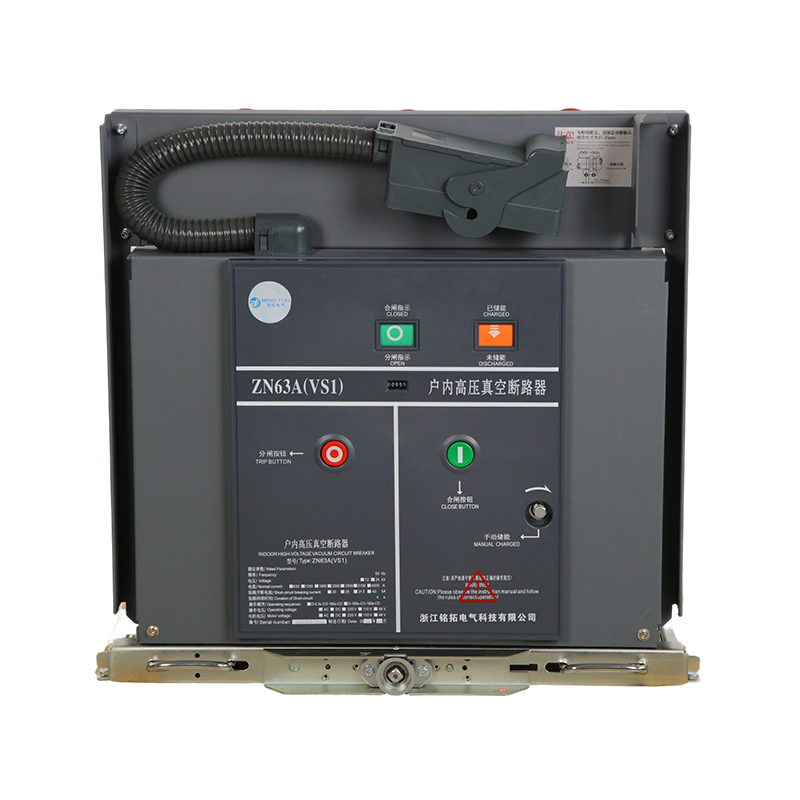
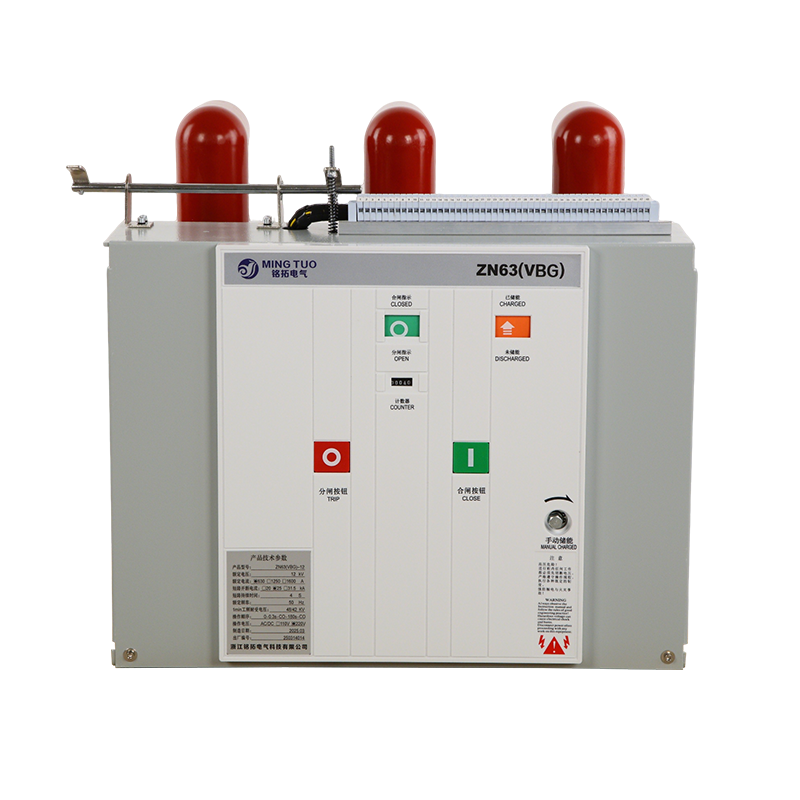
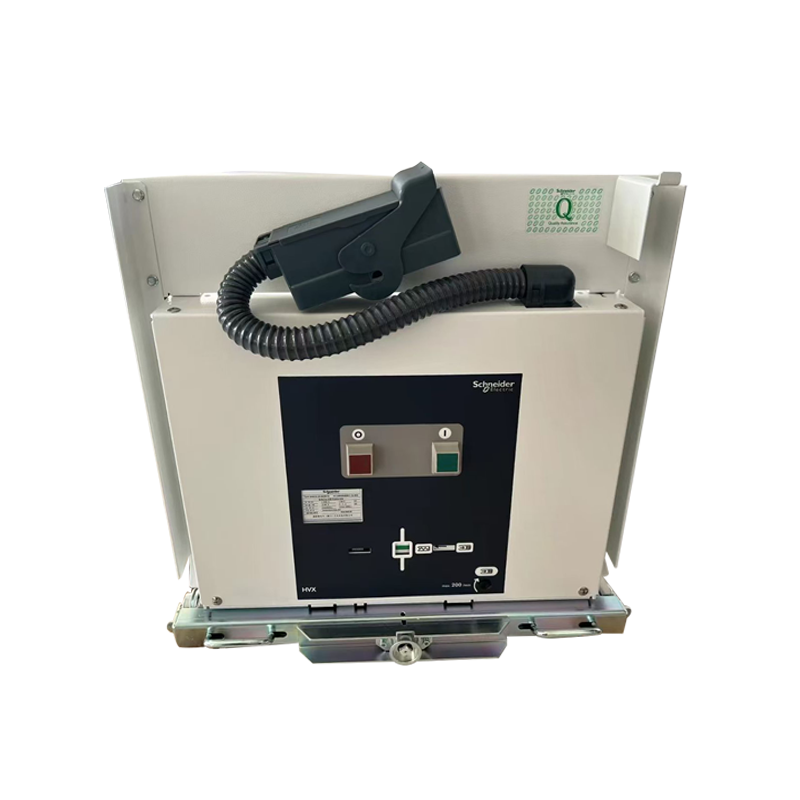
Zhejiang Mingtuo Electrical Technology Co., Ltd. All Rights Reserved.
Electrical Protection Circuit Breakers Medium Voltage Circuit Breakers Manufacturers Low Voltage Circuit Breakers Factory
