 English
 Français
 Español
 عربى
عربىDescription: Outdoor waterproof socket boxes are used in outdoor construction sites, fact...


PC Casing Waterproof Socket Box Suppliers
-
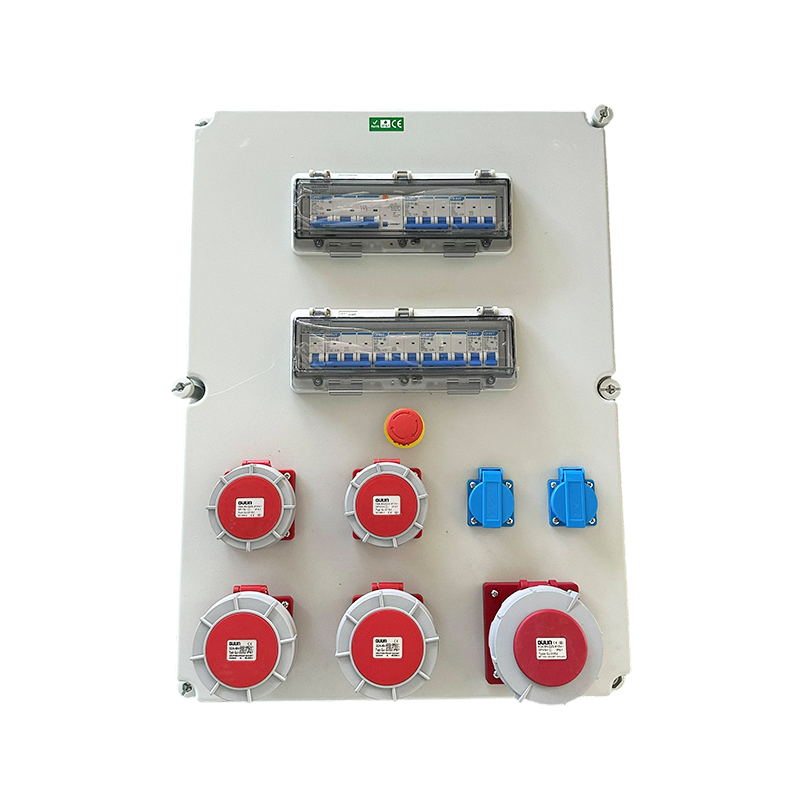 IP67 32A 380V Industrial Waterproof Socket Box – Stainless Steel Enclosure
 -
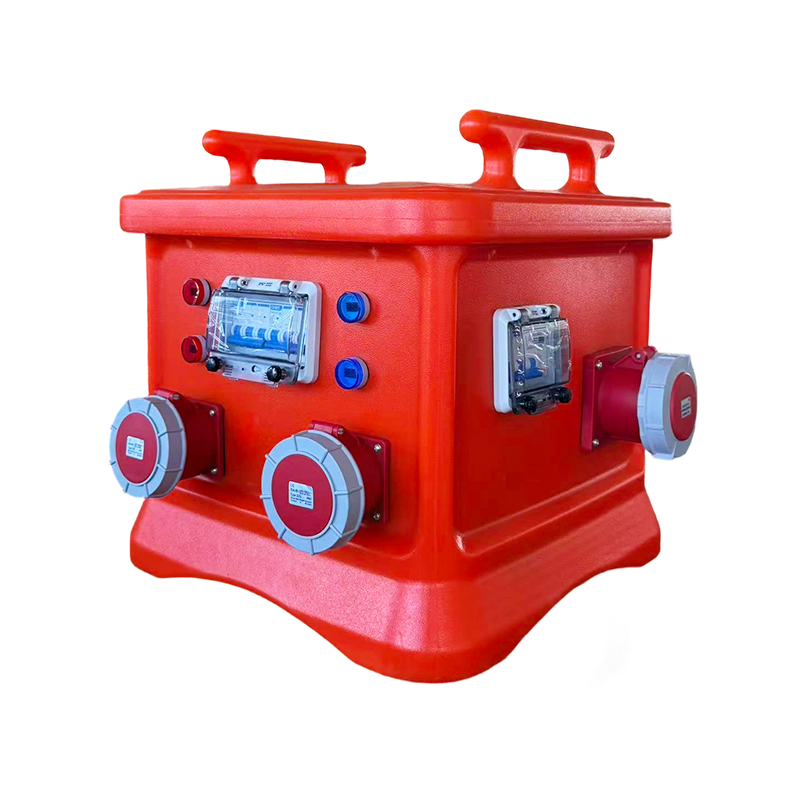 Industrial Waterproof Plug Box – IP66, 16A 220V
Description: Outdoor waterproof socket boxes are used in outdoor construction sites, facto...
PC Casing Waterproof Socket Boxes are made from high-quality polycarbonate material through one-piece injection molding, offering exceptional impact resistance, flame retardancy, and weather durability. Lightweight and easy to install, they are suitable for environments with strict insulation and weight requirements. Optional transparent windows allow real-time monitoring of socket status, making them ideal for industrial sites, outdoor equipment, and temporary power distribution areas.
Message Feedback
About Us
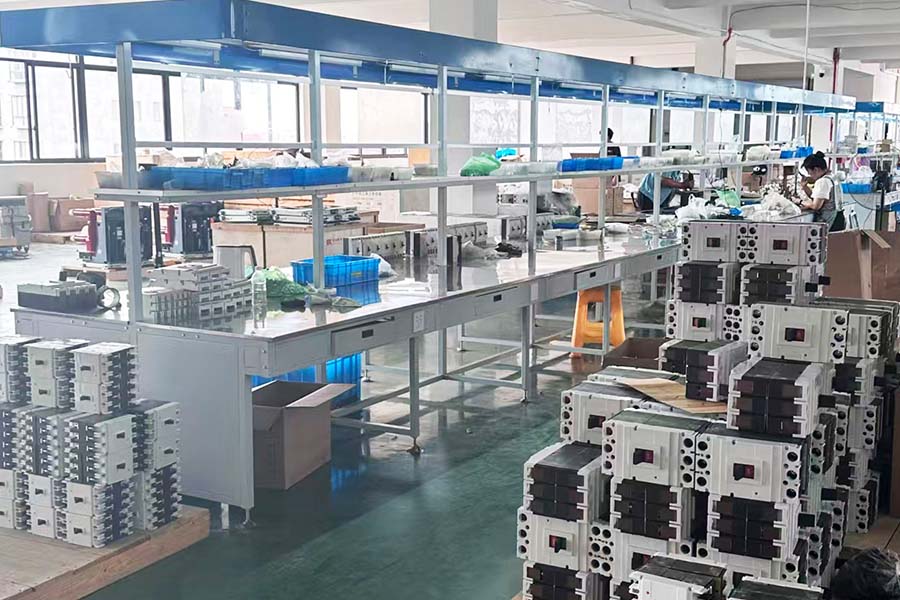
Zhejiang Mingtuo Electrical Technology Co., Ltd.
Zhejiang Mingtuo Electrical Technology Co., Ltd. is a technology-driven enterprise specializing in the research, development, and manufacturing of low-voltage and medium-voltage circuit breakers. Leveraging Liushi's comprehensive electrical industry chain and local advantages, we provide reliable and safe electrical protection products along with customized solutions for global industrial, commercial, and residential power distribution systems.
PC Casing Waterproof Socket Box Suppliers and PC Casing Waterproof Socket Box Company in China. Our products are exported to over 30 countries worldwide, including Europe, the Middle East, Southeast Asia, and Africa. Our diverse clientele encompasses power distribution cabinet manufacturers, engineering contractors/EPC firms, electrical distributors and agents, system integrators, and OEM customers. We provide our partners with a comprehensive one-stop service, spanning from technical support, solution alignment, and prototype development to mass production delivery. PC Casing Waterproof Socket Box Custom.
We are committed to becoming a trusted electrical protection partner for global customers through professional engineering capabilities, consistent manufacturing quality, and flexible customization services.
PC Casing Waterproof Socket Box Suppliers and PC Casing Waterproof Socket Box Company in China. Our products are exported to over 30 countries worldwide, including Europe, the Middle East, Southeast Asia, and Africa. Our diverse clientele encompasses power distribution cabinet manufacturers, engineering contractors/EPC firms, electrical distributors and agents, system integrators, and OEM customers. We provide our partners with a comprehensive one-stop service, spanning from technical support, solution alignment, and prototype development to mass production delivery. PC Casing Waterproof Socket Box Custom.
We are committed to becoming a trusted electrical protection partner for global customers through professional engineering capabilities, consistent manufacturing quality, and flexible customization services.
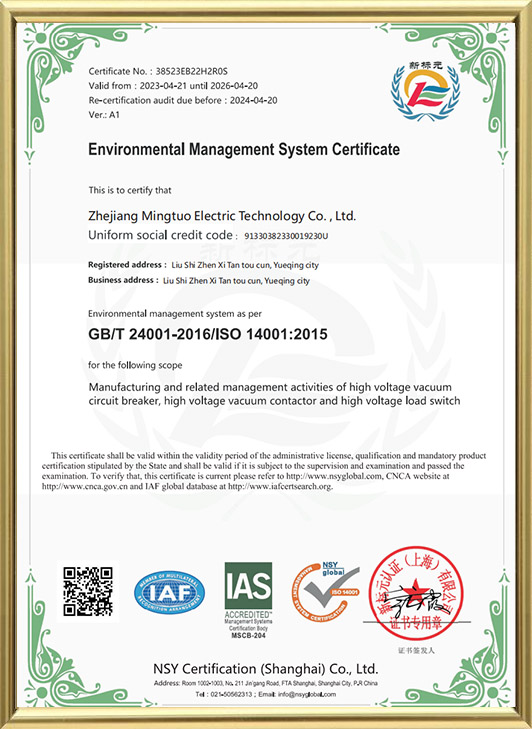
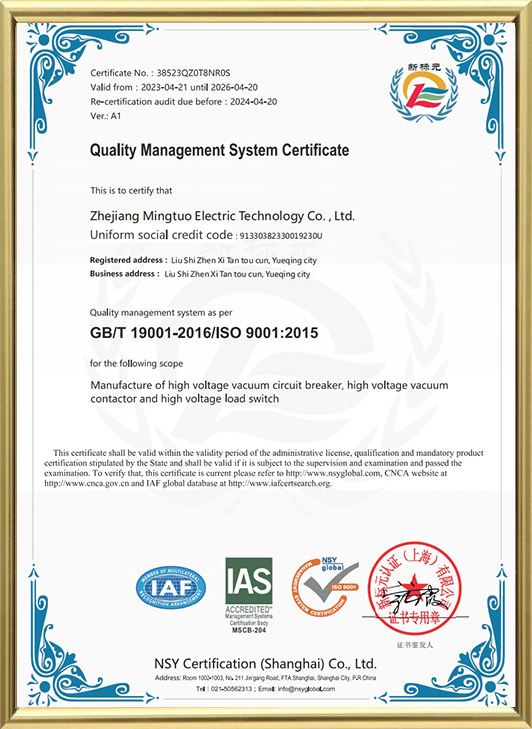
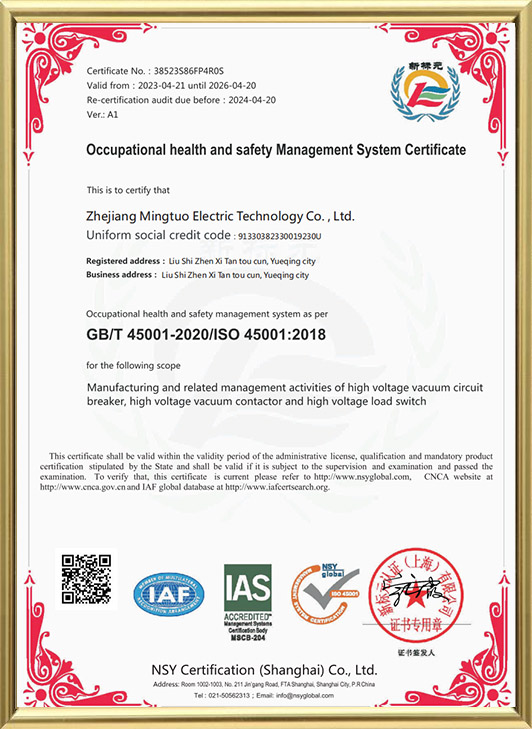
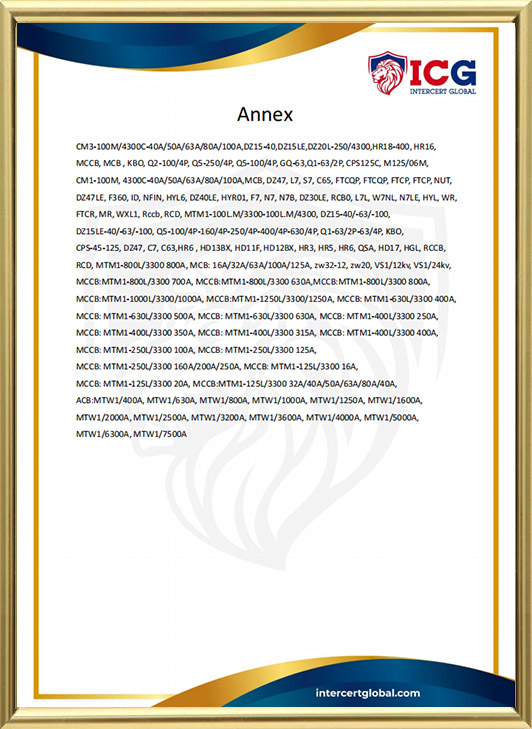
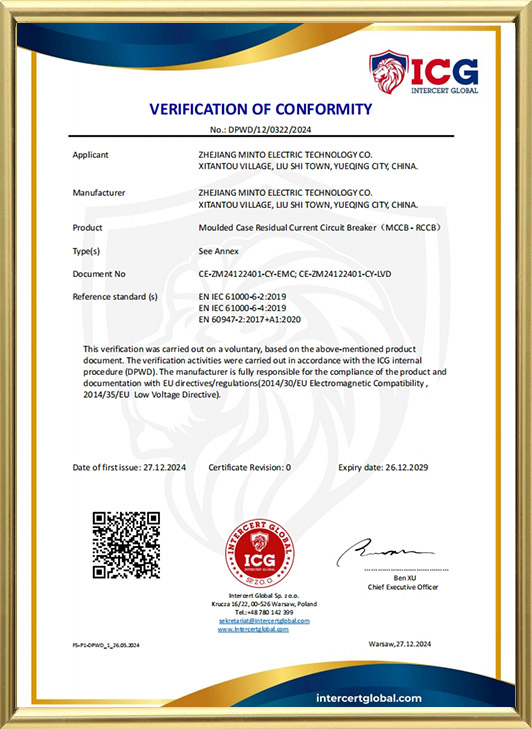
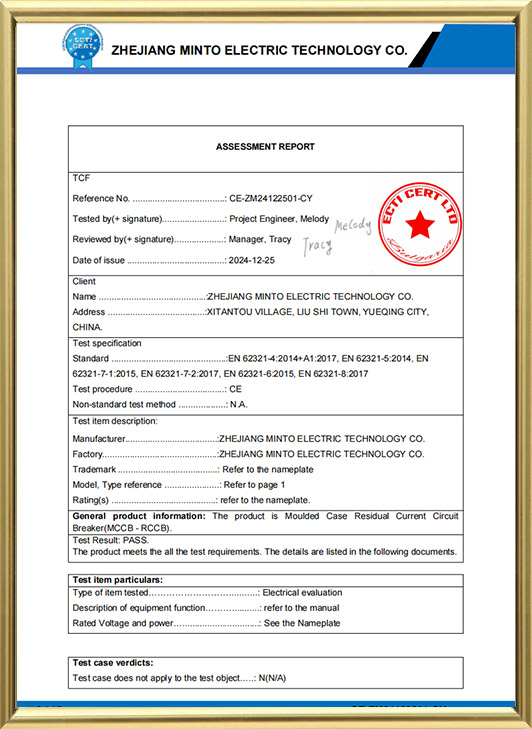
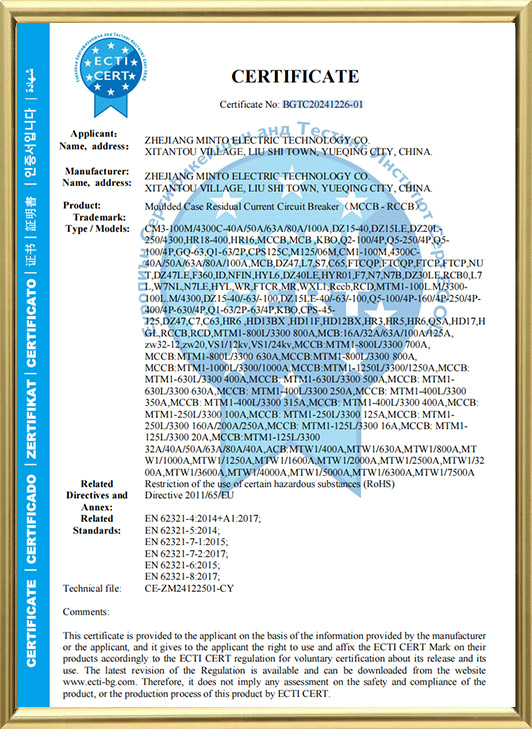
Certificate
News
-
What Is a Vacuum Circuit Breaker and How Does It Work? A vacuum circuit breaker (VCB) is a switching and protection device used primarily in medium voltage electrical distribution systems — typically in the range of 1kV to 38kV — that interrupts fault currents and isolates electrical circuits by ext...
Read More -
Amid the global cross-border e-commerce "New Trade Festival" in full swing this March, Mingtuo Electric has officially launched its "March Expo" promotional campaign. The event showcases the company's flagship product series, offering competitive professional electrical solutions and exclusive procu...
Read More -
What Circuit Breakers Do and Why Choosing the Right One Matters A circuit breaker is an automatic protective switching device that detects abnormal electrical conditions — overcurrent, short circuit, or earth fault — and interrupts current flow before equipment is damaged or personnel are endangere...
Read More
Industry knowledge
Why Polycarbonate Outperforms Other Materials in Waterproof Socket Boxes
When selecting enclosures for electrical distribution in demanding environments, material choice is not just a specification detail — it directly determines service life and safety outcomes. PC casing waterproof socket boxes are built from polycarbonate, which holds measurable advantages over alternatives like ABS, fiberglass, or die-cast aluminum in several key performance dimensions.
| Property | Polycarbonate (PC) | ABS Plastic | Die-Cast Aluminum |
|---|---|---|---|
| Impact Resistance | Very High | Moderate | High (dents) |
| Flame Retardancy | UL94 V-0 rated | UL94 HB (lower grade) | Non-combustible |
| Weight | Lightweight (~1.2 g/cm³) | Lightweight (~1.05 g/cm³) | Heavy (~2.7 g/cm³) |
| Electrical Insulation | Excellent | Good | Conductive (requires grounding) |
| UV / Weather Resistance | Good (UV-stabilized grades) | Poor without coating | Good (anodized) |
| Transparency Option | Available | Opaque only | Opaque only |
One often-overlooked advantage of PC is its inherent electrical insulation. Unlike aluminum enclosures, a polycarbonate box does not require additional grounding measures, simplifying installation in temporary or mobile power distribution setups. For sites with strict weight restrictions — such as elevated scaffolding or modular construction platforms — the non-metallic, lightweight profile of PC casing boxes translates directly into safer and faster installation.
Understanding IP Ratings: What the Numbers Actually Mean for Outdoor Socket Boxes
The IP (Ingress Protection) rating system, defined under IEC 60529, is the standard way to communicate how well an enclosure resists dust and water. For waterproof socket boxes used outdoors or in industrial settings, misreading these ratings can lead to specification errors and premature failures.
How the Two-Digit Code Works
The first digit (0–6) rates solid particle protection; the second digit (0–9K) rates liquid ingress protection. For socket boxes, the most relevant ratings are:
- IP44 — Protected against solid objects >1 mm and water splashing from any direction. Suitable for covered outdoor areas.
- IP55 — Dust-protected (not fully sealed) and resistant to low-pressure water jets. Common for construction sites and temporary distribution.
- IP65 — Fully dust-tight and protected against water jets from any direction. The baseline recommendation for permanent outdoor installations.
- IP66/IP67 — Increased resistance to powerful water jets (IP66) or temporary submersion up to 1 m (IP67). Required for wash-down environments or flood-prone areas.
Key Specification Pitfalls
IP ratings are tested on sealed, unoccupied enclosures. Once cable entries, socket apertures, or conduit knockouts are opened, the rated IP level no longer applies unless appropriate sealing glands and gaskets are installed. Always verify that the gland fittings and socket inserts used are rated to the same or higher IP level as the box itself. A poorly selected cable gland is the most common cause of water ingress failures in otherwise correctly rated enclosures.
Additionally, UV exposure and thermal cycling can degrade door gaskets over time. For long-term outdoor deployments, periodic inspection of sealing components is a best practice, regardless of the enclosure material.
One-Piece Injection Molding vs. Assembled Enclosures: Structural and Compliance Implications
Enclosure construction method has a direct bearing on both mechanical integrity and long-term weatherproofing reliability. There are two dominant manufacturing approaches for plastic socket boxes:
One-Piece (Monolithic) Injection Molding
The box body is formed as a single unit, with no bonded seams or mechanical joints along the walls. This eliminates the most common structural weak points. From a compliance standpoint, a seamless body simplifies achieving and maintaining IP65+ ratings, because there are fewer interfaces where ingress can occur. Dimensional consistency is also higher, which matters when mounting hardware or DIN rails must align precisely.
Our PC casing waterproof socket boxes are produced via one-piece injection molding, a process that also enables tighter wall thickness tolerances and more uniform material distribution — both of which contribute to the impact resistance performance in the field.
Multi-Part Assembled Enclosures
Some lower-cost enclosures are manufactured from multiple molded sections bonded or fastened together. While this can reduce tooling costs for manufacturers, it introduces:
- Potential stress concentration at bond lines under impact or thermal expansion
- Seam gaps that can allow moisture ingress over time, especially after UV-induced material contraction
- Variable quality depending on adhesive or fastener consistency during production
For procurement teams evaluating total cost of ownership rather than unit price, the failure rate differential between molding approaches often outweighs the initial price difference over a 5–10 year deployment cycle. This is especially true in environments subject to regular mechanical handling, such as temporary power distribution at construction or event sites.
Practical Deployment Considerations for Industrial and Temporary Power Distribution
Selecting the right waterproof socket box involves more than matching voltage and current ratings. The installation context — whether a permanent industrial panel, outdoor equipment feed point, or temporary site distribution setup — determines which features provide real operational value.
Transparent Window: Operational Value Beyond Convenience
Optional transparent windows in PC casing socket boxes allow visual inspection of socket occupancy and indicator light status without opening the enclosure. In practice, this matters in several scenarios:
- During routine site walkthroughs, maintenance personnel can confirm active connections without breaking IP seals
- Fault indicators on MCBs or RCDs inside the box remain visible for faster fault diagnosis
- In multi-trade environments, it helps prevent accidental disconnection of active circuits by non-electrical workers
Mounting and Positioning Best Practices
- Orient cable entries downward or use 90° conduit fittings to prevent water tracking along cables into glands.
- Maintain a minimum clearance of 200 mm from the ground in outdoor installations to reduce splash exposure from surface runoff.
- For wall-mounted installations, ensure the mounting surface is stable enough to prevent vibration-induced gasket wear on the door seal.
- In high-UV environments, position the box away from direct prolonged sun exposure where possible, or specify UV-stabilized PC grades.
Temporary vs. Permanent Installation Checklist
The requirements differ meaningfully depending on deployment type. For temporary installations, prioritize portability, tool-free access, and robust cable strain relief. For permanent setups, focus on UV resistance, secure conduit termination, and compatibility with site protection devices such as RCDs and MCBs. Our product range supports both scenarios, with customizable internal configurations available to meet project-specific distribution requirements.
Zhejiang Mingtuo Electrical Technology Co., Ltd. All Rights Reserved.
PC Casing Waterproof Socket Box Suppliers Custom PC Casing Waterproof Socket Box Company
