 English
 Français
 Español
 عربى
عربىDescription: Outdoor waterproof socket boxes are used in outdoor construction sites, fact...


Industrial Waterproof Socket Box Manufacturers
-
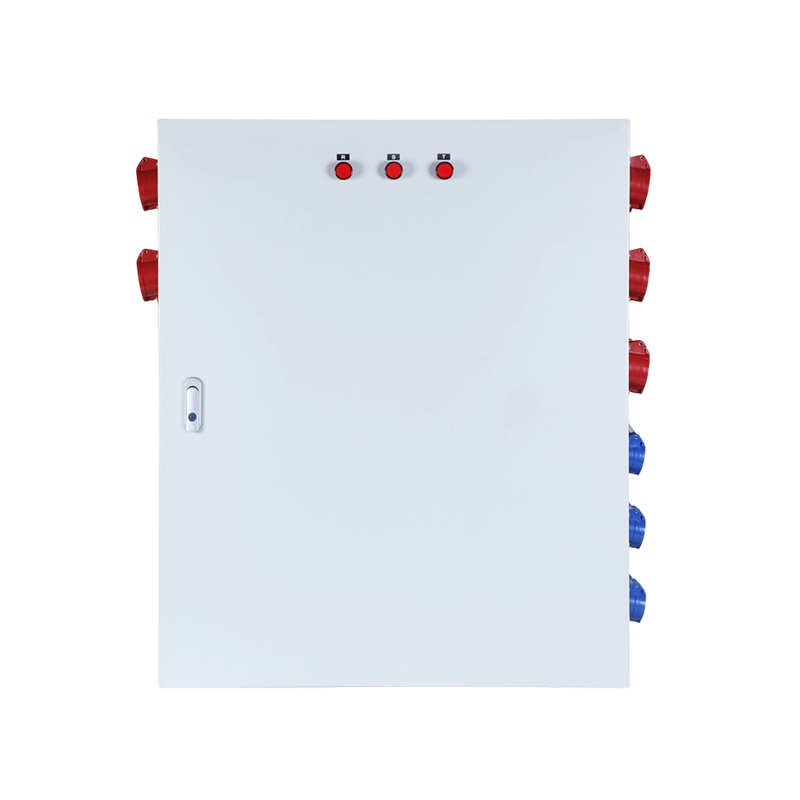 Waterproof Industrial Socket Box 125A 480V – IP68-Rated Enclosure
 -
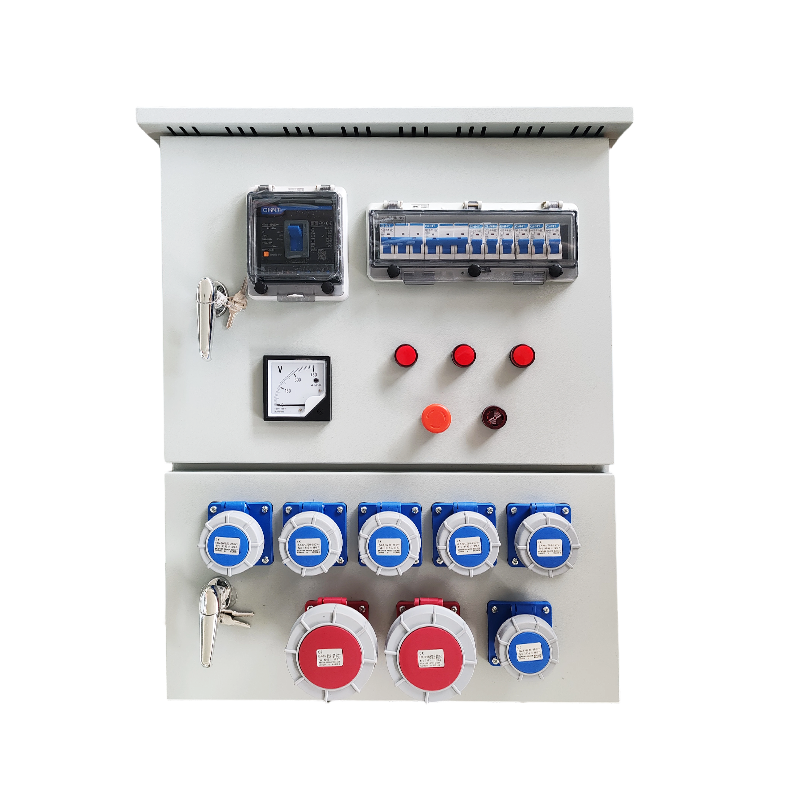 IP65 Industrial Waterproof Connection Box – 63A 380V
Description: Outdoor waterproof socket boxes are used in outdoor construction sites, fact...
-
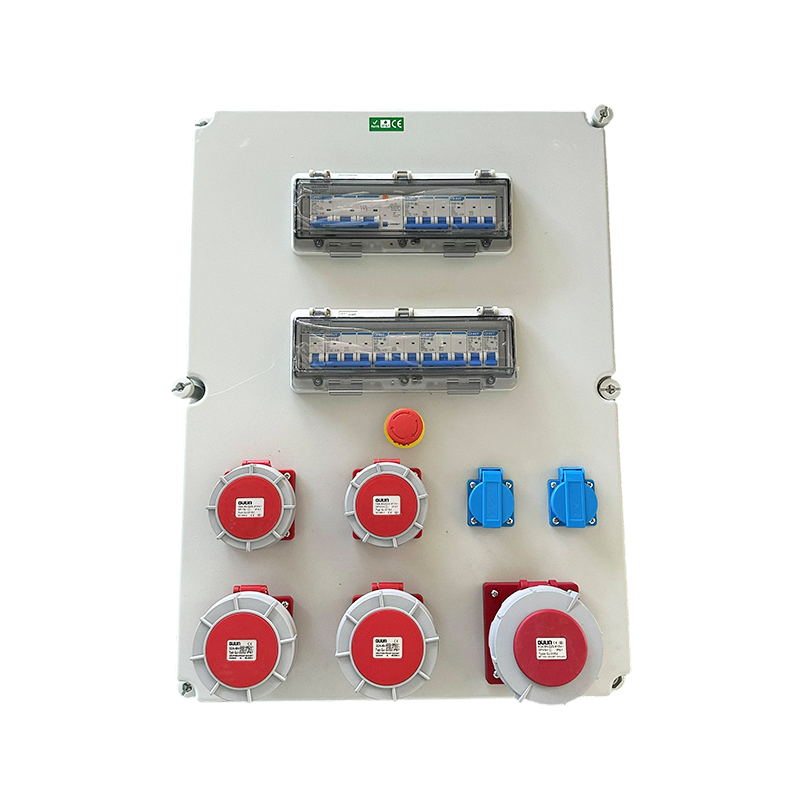 IP67 32A 380V Industrial Waterproof Socket Box – Stainless Steel Enclosure
Description: Outdoor waterproof socket boxes are used in outdoor construction sites, fact...
-
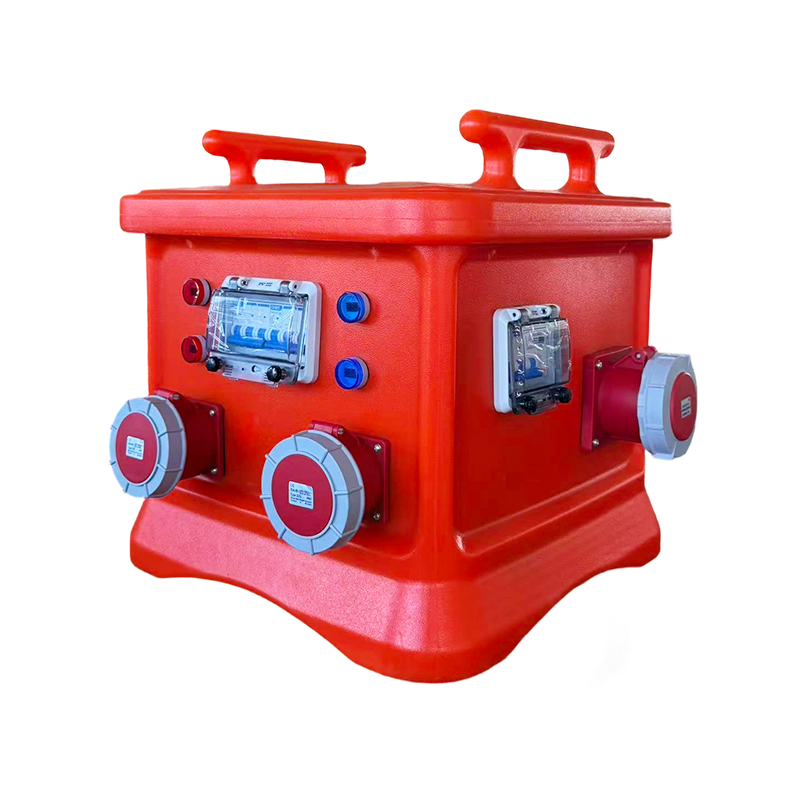 Industrial Waterproof Plug Box – IP66, 16A 220V
Description: Outdoor waterproof socket boxes are used in outdoor construction sites, facto...
-
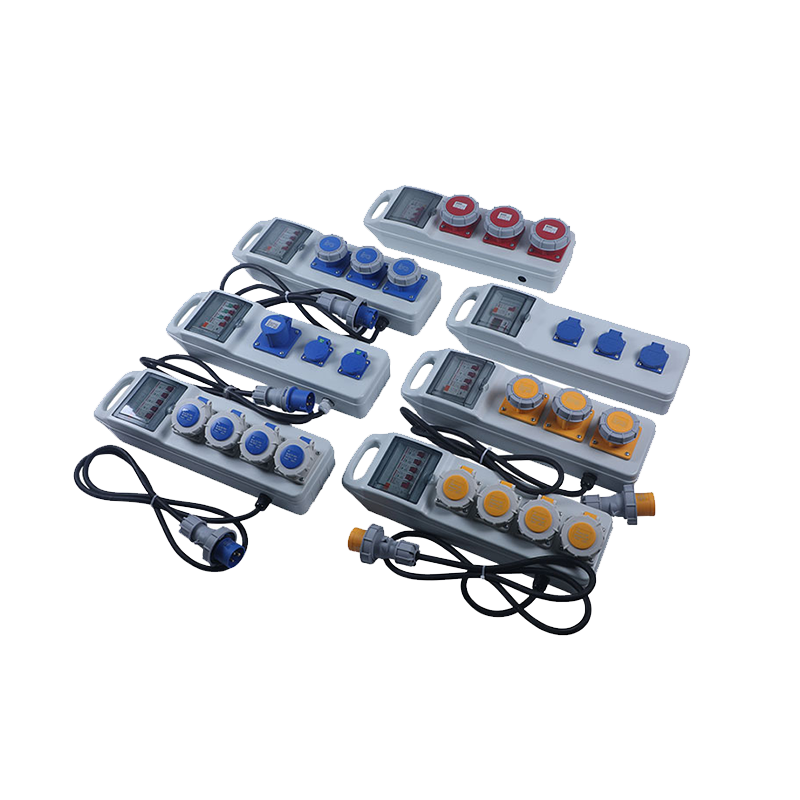 Industrial Waterproof Socket Box
Description: Outdoor waterproof socket boxes are used in outdoor construction sites, fact...
-
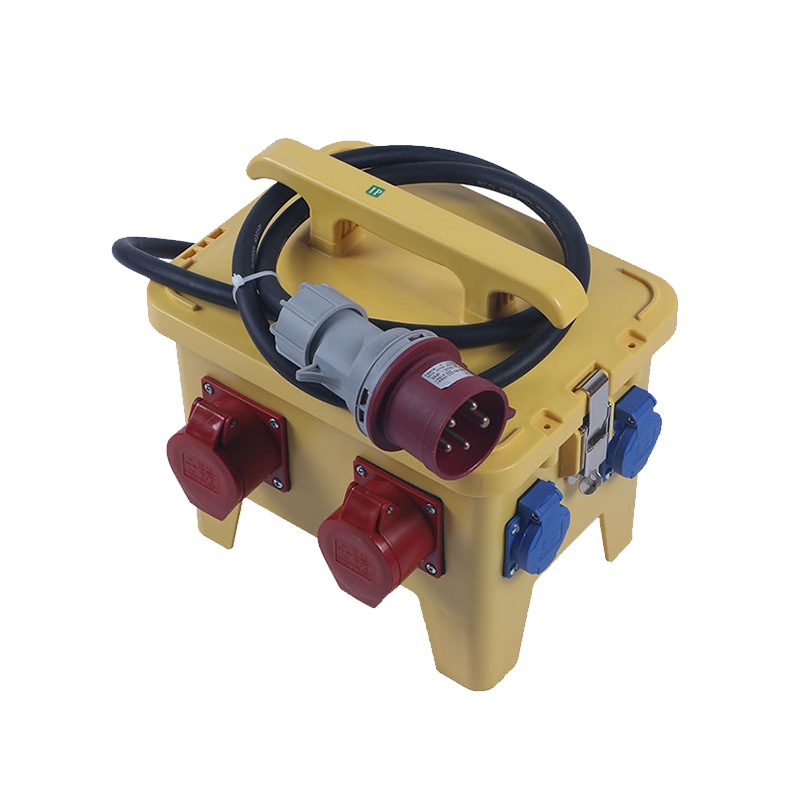 Industrial Waterproof Socket Box
Description: Outdoor waterproof socket boxes are used in outdoor construction sites, fact...
-
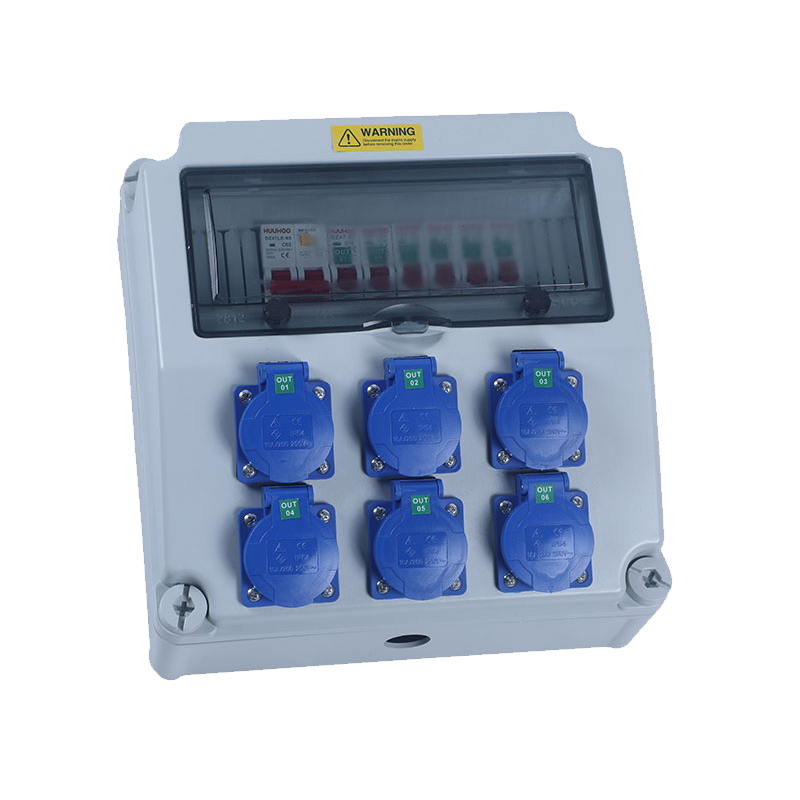 Industrial Waterproof Socket Box
Description: Outdoor waterproof socket boxes are used in outdoor construction sites, fact...
-
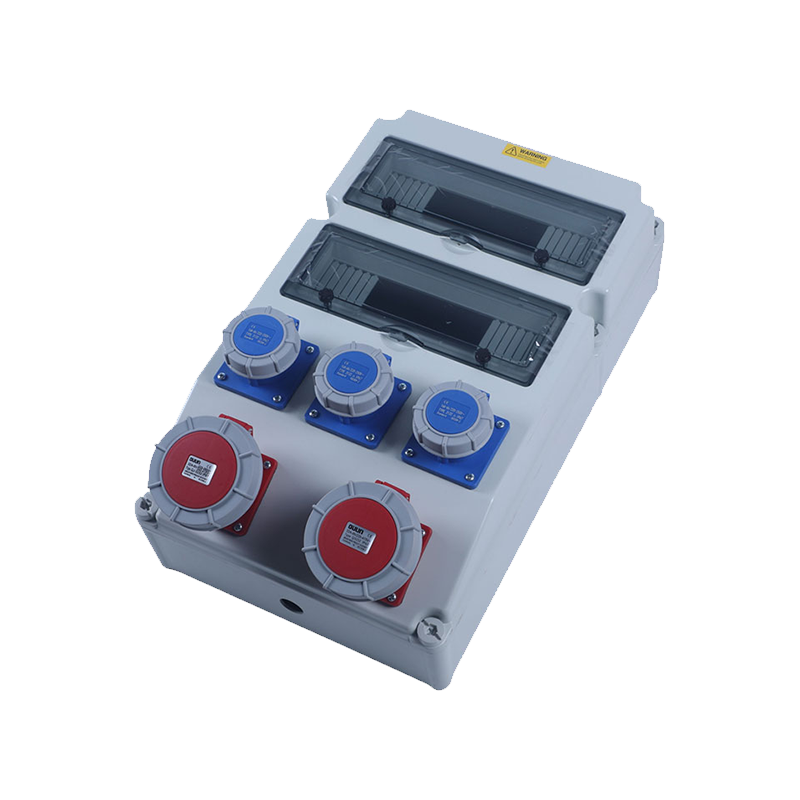 Industrial Waterproof Socket Box
Description: Outdoor waterproof socket boxes are used in outdoor construction sites, fact...
-
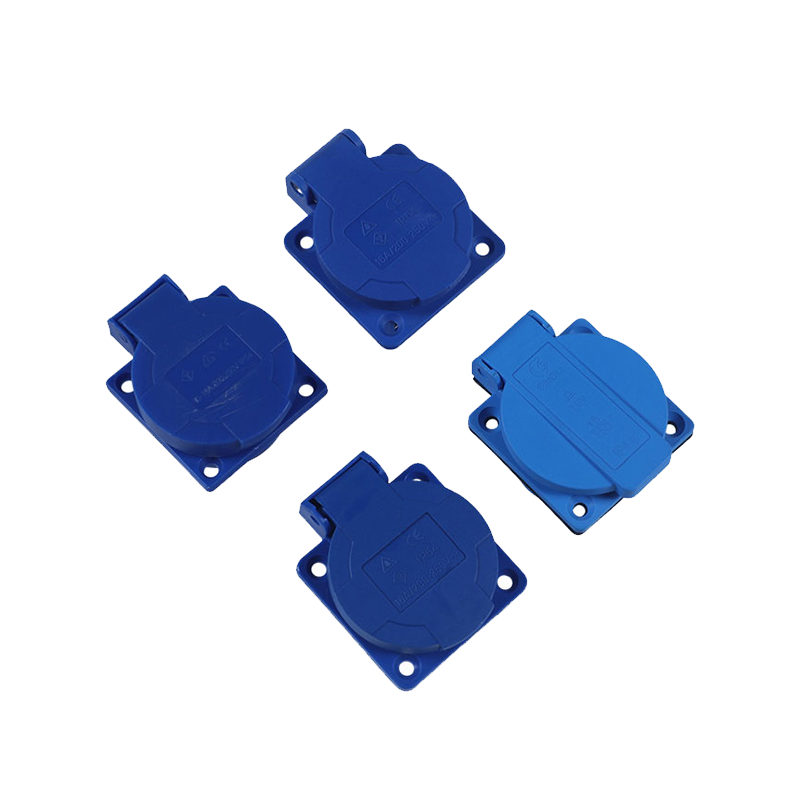 Industrial Waterproof Socket
Description: Outdoor waterproof socket boxes are used in outdoor construction sites, fact...
MingTuo Industrial Waterproof Socket Boxes are designed for harsh environments, providing reliable protection against water, dust, and corrosion. Built with high-strength housings and precise sealing, they ensure stable power supply in construction sites, ports, tunnels, outdoor equipment, and temporary distribution areas. Available in metal back and PC casing types, these boxes support multiple industrial socket configurations, offer easy installation, and maintain performance under extreme conditions.
Message Feedback
About Us
Zhejiang Mingtuo Electrical Technology Co., Ltd.
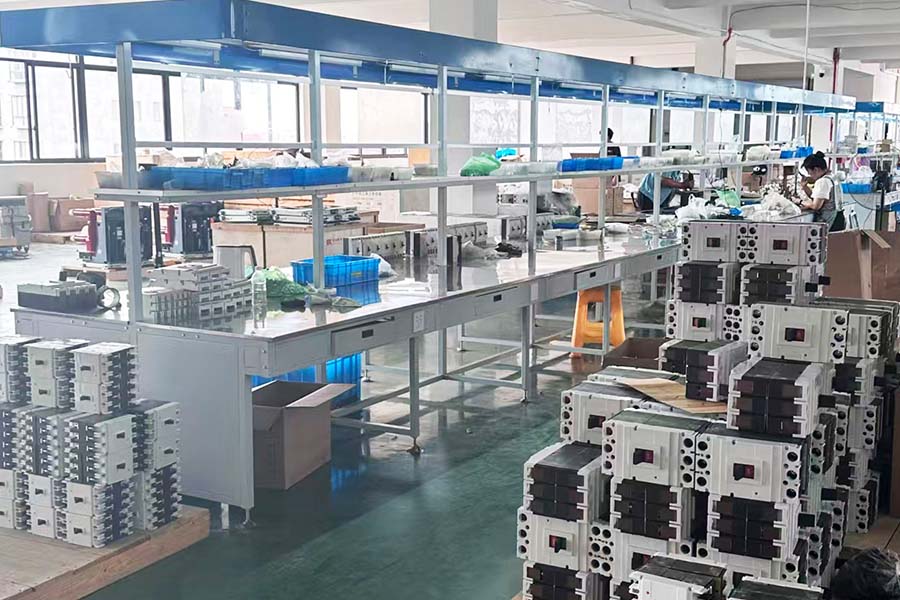
Zhejiang Mingtuo Electrical Technology Co., Ltd. is a technology-driven enterprise specializing in the research, development, and manufacturing of low-voltage and medium-voltage circuit breakers. Leveraging Liushi's comprehensive electrical industry chain and local advantages, we provide reliable and safe electrical protection products along with customized solutions for global industrial, commercial, and residential power distribution systems.
Industrial Socket Box Manufacturers and Waterproof Socket Combination Box Factory in China. Our products are exported to over 30 countries worldwide, including Europe, the Middle East, Southeast Asia, and Africa. Our diverse clientele encompasses power distribution cabinet manufacturers, engineering contractors/EPC firms, electrical distributors and agents, system integrators, and OEM customers. We provide our partners with a comprehensive one-stop service, spanning from technical support, solution alignment, and prototype development to mass production delivery. Custom Outdoor Industrial Socket Distribution Box.
We are committed to becoming a trusted electrical protection partner for global customers through professional engineering capabilities, consistent manufacturing quality, and flexible customization services.
Industrial Socket Box Manufacturers and Waterproof Socket Combination Box Factory in China. Our products are exported to over 30 countries worldwide, including Europe, the Middle East, Southeast Asia, and Africa. Our diverse clientele encompasses power distribution cabinet manufacturers, engineering contractors/EPC firms, electrical distributors and agents, system integrators, and OEM customers. We provide our partners with a comprehensive one-stop service, spanning from technical support, solution alignment, and prototype development to mass production delivery. Custom Outdoor Industrial Socket Distribution Box.
We are committed to becoming a trusted electrical protection partner for global customers through professional engineering capabilities, consistent manufacturing quality, and flexible customization services.
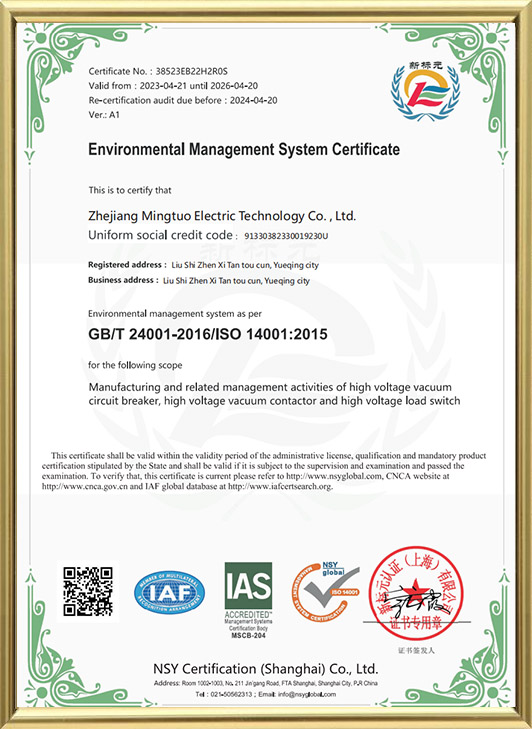
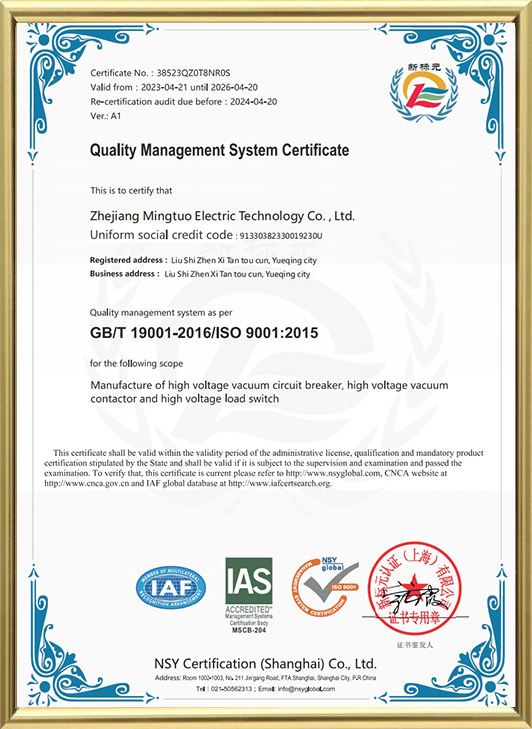
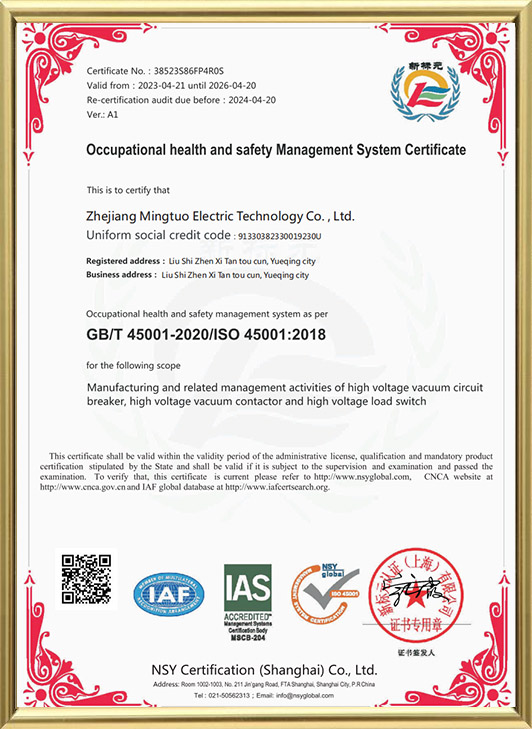
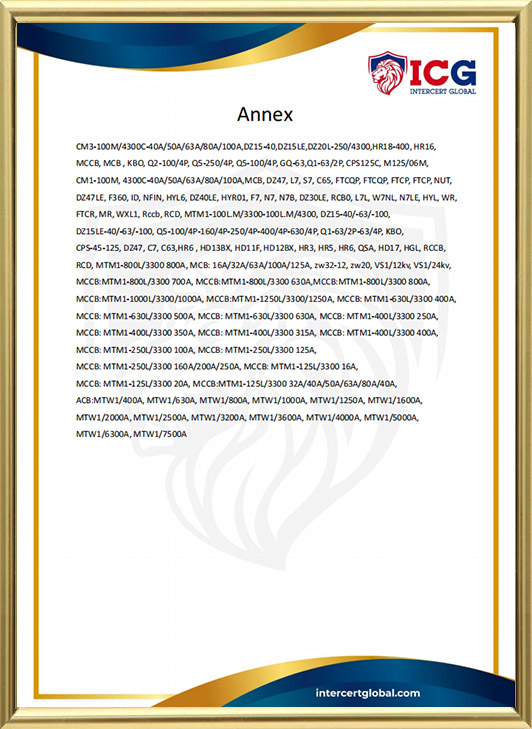
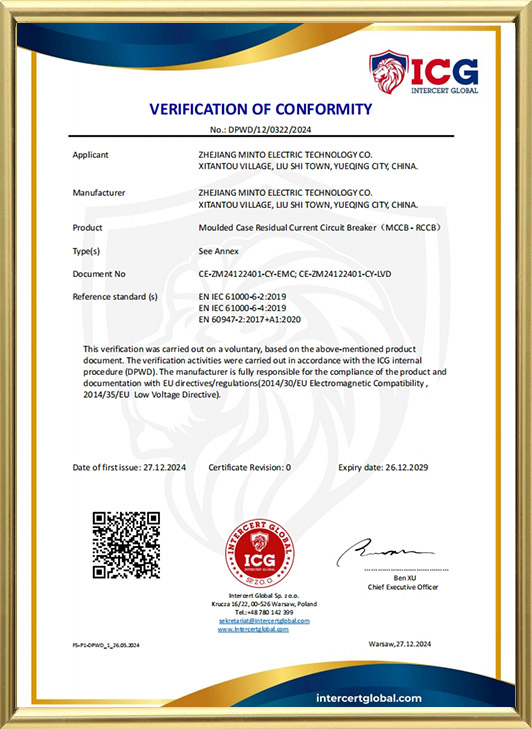
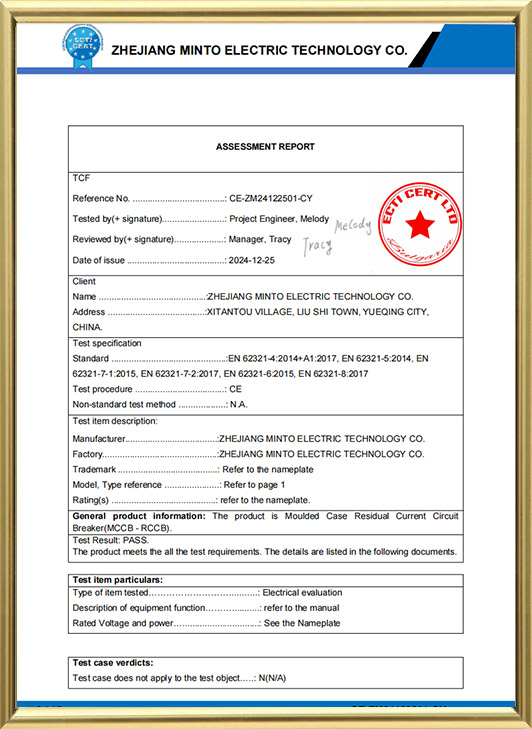
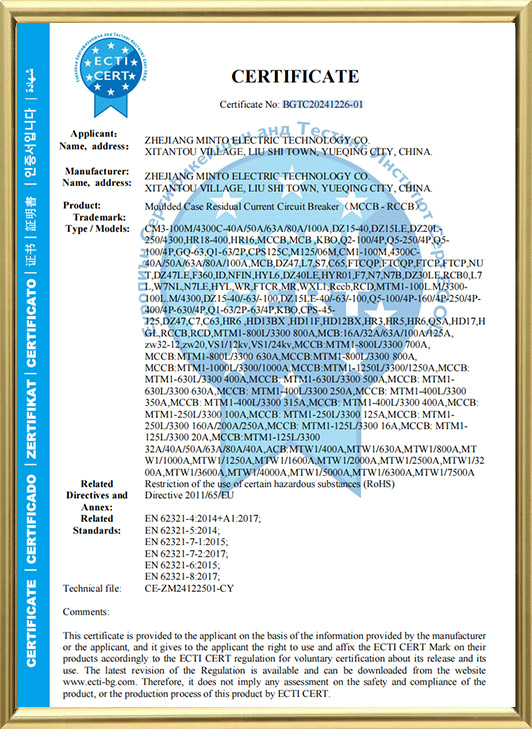
Certificate
News
-
This week, Mingtuo Electric officially announced the launch of two new products to further improve its product solutions in the field of circuit protection. The newly added surge protection device (SPD) and miniature circuit breaker (MCB) series, targeting new energy systems and general low-voltage ...
Read More -
What Is a Vacuum Circuit Breaker and How Does It Work? A vacuum circuit breaker (VCB) is a switching and protection device used primarily in medium voltage electrical distribution systems — typically in the range of 1kV to 38kV — that interrupts fault currents and isolates electrical circuits by ext...
Read More -
Amid the global cross-border e-commerce "New Trade Festival" in full swing this March, Mingtuo Electric has officially launched its "March Expo" promotional campaign. The event showcases the company's flagship product series, offering competitive professional electrical solutions and exclusive procu...
Read More
Industry knowledge
IP Rating Realities: What the Numbers on a Waterproof Socket Box Actually Guarantee
The IP (Ingress Protection) code printed on a Waterproof Socket Box is frequently misread as a permanent, unconditional guarantee — it is not. IEC 60529 defines IP ratings based on tests conducted on new, uninstalled enclosures under controlled laboratory conditions. IP65 certifies that the enclosure is dust-tight and protected against low-pressure water jets from any direction; IP66 raises the water jet pressure; IP67 certifies immersion at up to 1 meter for 30 minutes; IP68 covers continuous submersion at a manufacturer-specified depth. What the standard does not account for is degradation over time. Cable entry glands are the most common failure point — a gland that was correctly torqued at installation can loosen through vibration cycles, thermal expansion, or UV-induced embrittlement of the rubber seal, reducing effective ingress protection by one or two levels without any visible external damage.
A second widely misunderstood point involves the relationship between IP rating and condensation. An IP67-rated Industrial Socket Box will resist water entry from outside, but internal condensation generated by temperature cycling is entirely separate from the IP test scenario. Sealed enclosures with no breather vent can accumulate moisture internally as warm humid air inside the box cools at night, eventually reaching the dew point. Anti-condensation heaters, silica gel cartridges with humidity indicators, or Gore-Tex-style pressure-equalizing membranes (which allow vapor exchange without liquid water ingress) are practical engineering responses to this problem, particularly for Outdoor Industrial Socket Distribution Boxes installed in coastal or tropical environments.
Fault Protection Architecture Inside a Socket Combination Box: RCDs, MCBs, and Their Coordination
A well-engineered Socket Combination Box is not simply a collection of outlets with a main switch — it is a coordinated protection system where the sequencing and selectivity of protective devices directly determines how faults are isolated and how much of the system remains operational after a fault event. The most common protection hierarchy in a combination socket box places a main circuit breaker or isolator at the incomer, followed by one or more RCDs (residual current devices) at the sub-circuit level, with individual MCBs protecting each outlet or outlet group.
The critical design decision is whether to use a single upstream RCD covering all outlets or individual RCDs per outlet. A single upstream RCD is simpler and cheaper but means any earth leakage fault — including cumulative leakage from multiple pieces of equipment that individually fall within tolerance — can trip all outlets simultaneously. In construction site and temporary power applications, this is frequently unacceptable. Individual 30 mA RCDs per outlet or outlet group provide much better discrimination: a fault on one circuit affects only that circuit, and maintenance personnel can identify the faulted outlet by observing which RCD has tripped. For Outdoor Industrial Socket Distribution Boxes serving multiple independent users or work zones, this granular approach is strongly recommended.
The type of RCD also matters. Type AC RCDs respond only to sinusoidal earth fault currents. Variable-speed drives, battery chargers, and switch-mode power supplies generate DC-pulsed or smooth DC leakage components that Type AC devices may not detect reliably. Type A RCDs cover both sinusoidal and pulsed DC residual currents and are the minimum appropriate choice for modern industrial tool loads. Type B RCDs cover smooth DC residual currents as well and are required where three-phase rectifiers or DC-output drives are connected.
Socket Standards and Connector Compatibility in International Industrial Environments
One of the most practical challenges in specifying an Industrial Socket Box for international or export-oriented facilities is connector standard incompatibility. Industrial sites that source equipment from multiple countries routinely encounter mismatches between installed sockets and equipment plugs. The dominant industrial socket standards in global use are:
| Standard | Common Name | Typical Markets | Key Ratings |
| IEC 60309 | CEE / Commando | Europe, Middle East, Asia, Australia | 16A–125A, 110V–690V, IP44/IP67 |
| NEMA L6 / L14 / L21 | Twist-lock | North America | 15A–60A, 125V–480V |
| AS/NZS 3123 | Industrial flat-pin | Australia, New Zealand | 10A–32A, 250V–500V |
| GB 11918 / GB 2099 | Chinese industrial | China, Southeast Asia | 16A–63A, 250V–440V |
IEC 60309 has achieved the widest international acceptance for heavy industrial applications, with its color-coded keying system (yellow for 110V, blue for 230V single-phase, red for 400V three-phase) providing a physical barrier against voltage mismatch. At Zhejiang Mingtuo Electrical Technology Co., Ltd., we support customized Industrial Socket Box configurations with socket types matched to the destination market, avoiding the adapter proliferation that creates both safety risks and inconvenience on international project sites.
Mechanical and Impact Protection Requirements for Outdoor Industrial Socket Distribution Boxes
For an Outdoor Industrial Socket Distribution Box, IP rating addresses liquid and dust ingress but says nothing about resistance to mechanical impact — a completely separate performance dimension governed by the IK rating system (IEC 62262). IK ratings range from IK00 (no protection) to IK10, which corresponds to 20 joules of impact energy, roughly equivalent to a 5 kg mass dropped from 40 cm. In practice, the difference between an IK07 and IK10 enclosure in a busy construction or port environment is the difference between a housing that survives a glancing blow from a hard hat or tool and one that withstands a direct hit from falling equipment.
Material choice drives IK performance. Polycarbonate (PC) enclosures offer excellent impact resistance and UV stability but can be susceptible to certain solvents and may yellow with prolonged UV exposure in some formulations. Glass-fiber-reinforced polyester (GRP) combines high impact resistance with chemical resistance and is common in chemical plant and marine applications. Aluminum die-cast enclosures provide excellent mechanical strength and heat dissipation but add weight and are susceptible to galvanic corrosion if improperly grounded or if dissimilar metals are used for fasteners. For Waterproof Socket Box applications in coastal or offshore environments, stainless steel hardware and non-metallic enclosure bodies offer the best combination of corrosion immunity and mechanical robustness.
Mounting method also affects mechanical integrity. Surface-mounted boxes secured only through their back plate are vulnerable to leverage forces if a heavy cable is pulled sideways — the mounting points, not the enclosure material, become the failure mode. Specifying enclosures with integrated mounting flanges and using M8 or larger fasteners into solid substrates (not plasterboard or thin sheeting) significantly improves real-world resilience.
Load Balancing and Phase Assignment in Three-Phase Socket Combination Boxes
A Socket Combination Box supplying multiple single-phase outlets from a three-phase incomer requires deliberate phase assignment to avoid neutral overloading and voltage imbalance. In an ideally balanced three-phase system, equal current on each phase means the neutral conductor carries zero current. In practice, outlets are not loaded equally, and the resulting neutral current can be substantial — up to the full line current in severely unbalanced conditions. This is particularly relevant in temporary power distribution for events, construction sites, and film production where loads are unpredictable and frequently changed.
The standard approach for a 9-outlet box is to assign three outlets per phase in an alternating pattern (L1, L2, L3, L1, L2, L3, L1, L2, L3), clearly labeled at each outlet. Users are then instructed to distribute high-power loads across phases. For sites with known load profiles — such as a production line where specific machines operate at known amperages — phase assignment should be calculated in advance and documented in the distribution schedule. An Industrial Socket Box serving a mix of 16 A and 32 A outlets should assign the heavier 32 A outlets across different phases to prevent a single-phase dominant scenario.
Harmonic loading is a compounding factor. Switched-mode power supplies, variable frequency drives, and LED drivers generate third-harmonic and other triplen harmonic currents. Unlike balanced fundamental-frequency currents, triplen harmonics in a three-phase system add in the neutral rather than canceling — a phenomenon that can produce neutral currents exceeding phase currents even in a nominally "balanced" installation. For socket combination boxes serving high concentrations of electronic equipment, neutral conductors should be sized at 1.5× to 2× the phase conductor cross-section, not the standard 1:1 ratio.
Cable Entry Management and Strain Relief in Industrial Socket Boxes
Cable entry is consistently underspecified in Industrial Socket Box procurement. The enclosure's IP rating is only maintained if cable entries are properly sealed, yet many installations use generic rubber grommets or leave unused knockouts open, immediately defeating the ingress protection of the box itself. The correct approach involves metric or PG-thread cable glands selected for the actual cable outer diameter, with the gland body torqued to the manufacturer's specification to compress the sealing ring uniformly around the cable jacket.
Strain relief is a separate but related function. A cable gland that provides an IP seal does not necessarily prevent axial tension from being transmitted to the internal terminals. Heavy power cables in outdoor installations are subject to wind-induced movement, thermal contraction in cold climates, and mechanical pulling during connection and disconnection of equipment. Without adequate strain relief — either through the gland clamping mechanism or through a separate cable clamp inside the enclosure — cyclic loading is transferred directly to screw terminals, progressively loosening the connection and creating resistance heating at the termination. This is a documented failure mode in temporary power distribution equipment on construction sites and outdoor events where cables are frequently repositioned.
For Outdoor Industrial Socket Distribution Boxes with bottom-entry cables, consider the additional effect of capillary wicking: water running down a cable jacket can be drawn into the gland interface by capillary action regardless of the gland's IP rating if the cable enters from above or at a slight downward angle into the box. Specifying a drip loop — where the cable hangs below the entry point before rising to the gland — is a simple field practice that eliminates this failure mechanism entirely. We engineer our Outdoor Industrial Socket Distribution Box products with pre-formed drip-loop cable entry configurations and clearly marked gland plate options to support correct field installation.
Temporary Power Distribution: Construction Site Compliance Requirements for Industrial Socket Boxes
Construction site temporary power distribution is governed by specific standards beyond the general industrial electrical codes — in Europe, IEC 60364-7-704 applies; in the UK, BS 7375 and the associated guidance in BS EN 60439-4 cover temporary distribution assemblies. These standards impose requirements on Industrial Socket Box configurations that go beyond what general-purpose socket boxes satisfy. Key requirements typically include:
- Mandatory RCD protection on all socket outlets, with 30 mA sensitivity for outlets up to 32 A supplying portable hand tools.
- Minimum IP44 for all enclosures used outdoors or in covered but exposed locations, rising to IP55 or higher in wet processing areas or near water jets from concrete and plastering operations.
- Reduced low voltage (110V CTE) supplies for handheld power tools in many European and UK specifications, requiring a center-tapped earth transformer output and yellow IEC 60309 sockets specifically to prevent cross-connection with 230V supplies.
- Overcurrent protection at or before each socket to limit fault energy and cable damage in case of tool or cable failure.
- Regular inspection and testing schedules — typically every 3 months for construction site equipment — with records maintained and equipment removed from service if it fails insulation resistance or RCD response-time tests.
A Waterproof Socket Box intended for construction site use should be verified against the applicable national standard for the project country, as requirements differ materially. Zhejiang Mingtuo provides project-specific documentation and compliance verification support for customers procuring socket distribution equipment for international construction contracts.
Zhejiang Mingtuo Electrical Technology Co., Ltd. All Rights Reserved.
Industrial Socket Box Manufacturers Custom Outdoor Industrial Socket Distribution Box Factory
