 English
 Français
 Español
 عربى
عربىDescription: Outdoor waterproof socket boxes are used in outdoor construction sites, fact...


Metal Back Waterproof Socket Box Suppliers
-
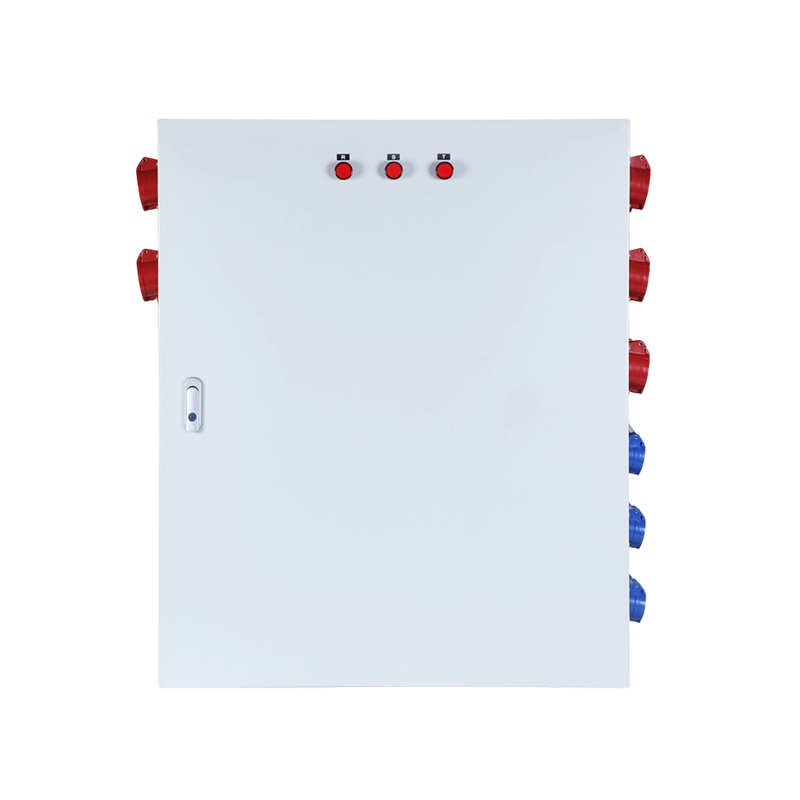 Waterproof Industrial Socket Box 125A 480V – IP68-Rated Enclosure
 -
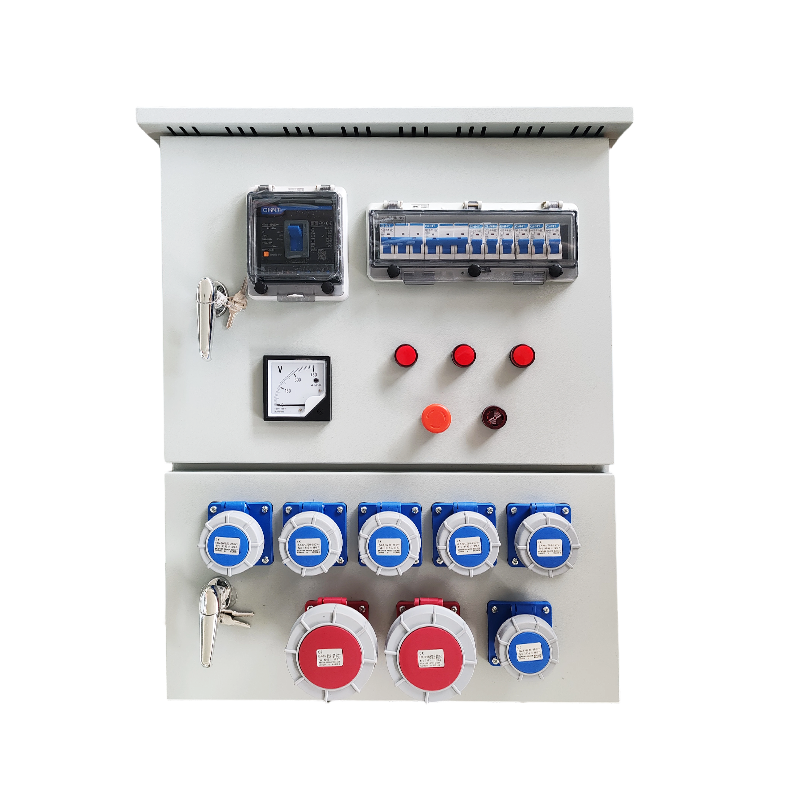 IP65 Industrial Waterproof Connection Box – 63A 380V
Description: Outdoor waterproof socket boxes are used in outdoor construction sites, fact...
-
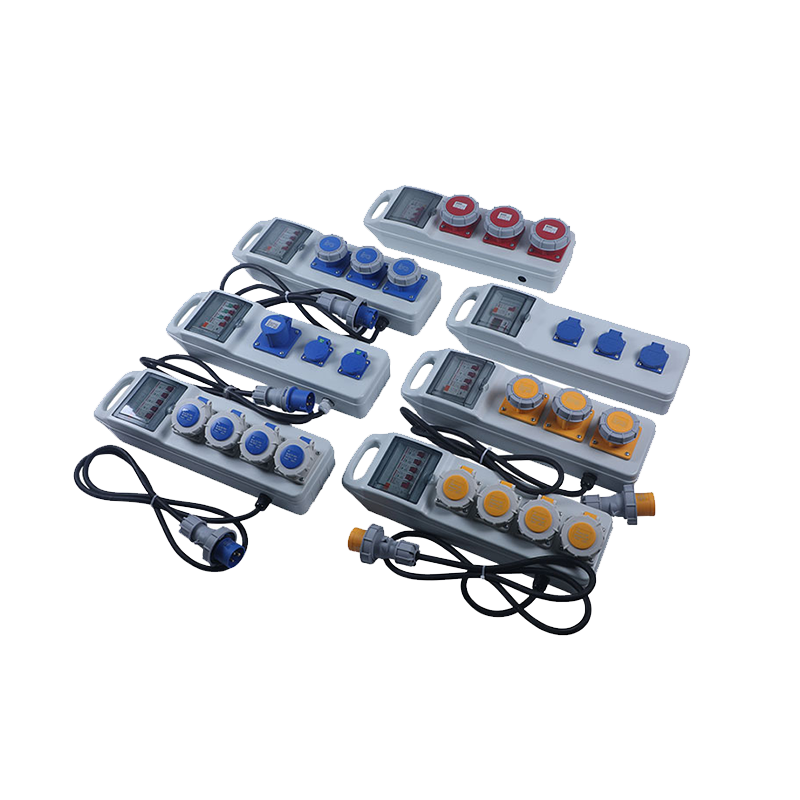 Industrial Waterproof Socket Box
Description: Outdoor waterproof socket boxes are used in outdoor construction sites, fact...
-
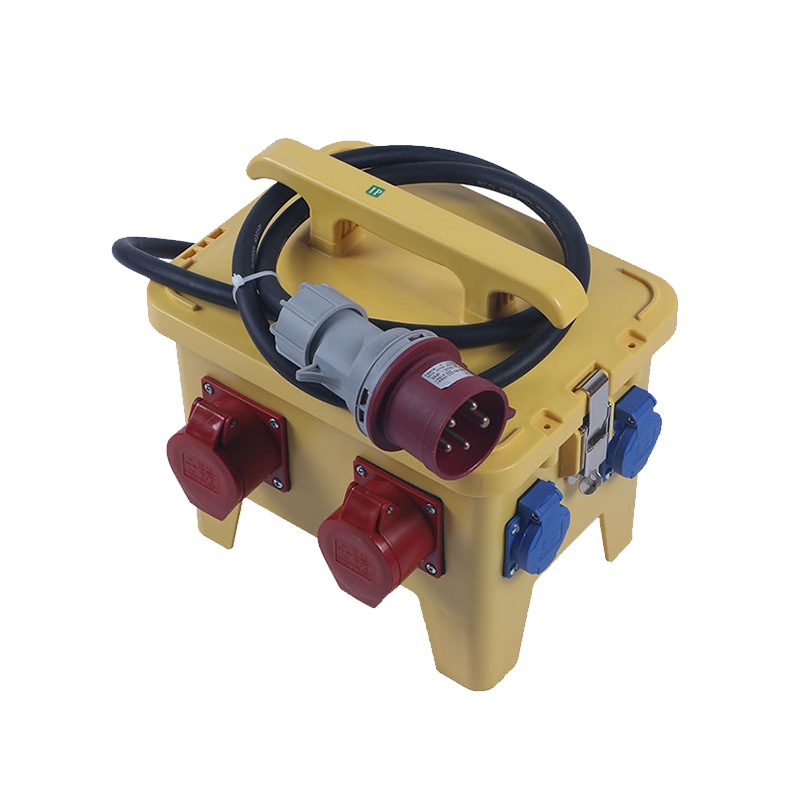 Industrial Waterproof Socket Box
Description: Outdoor waterproof socket boxes are used in outdoor construction sites, fact...
-
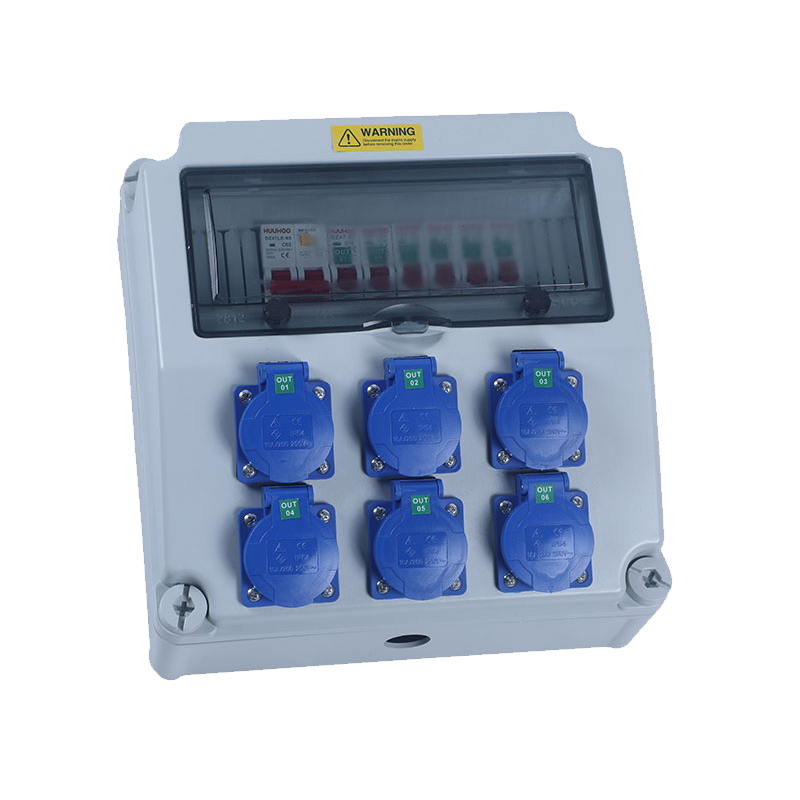 Industrial Waterproof Socket Box
Description: Outdoor waterproof socket boxes are used in outdoor construction sites, fact...
-
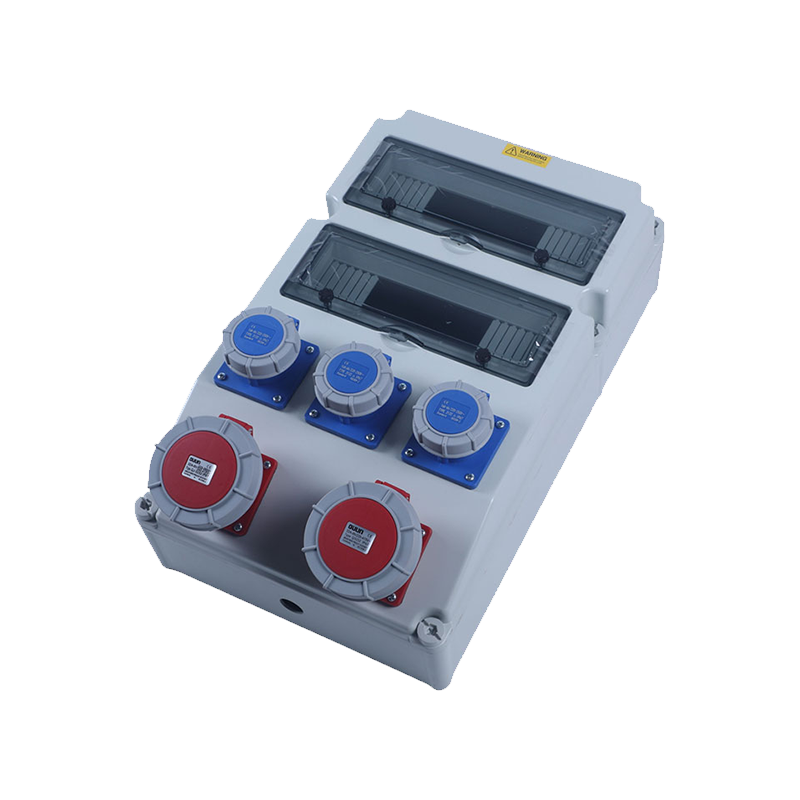 Industrial Waterproof Socket Box
Description: Outdoor waterproof socket boxes are used in outdoor construction sites, fact...
-
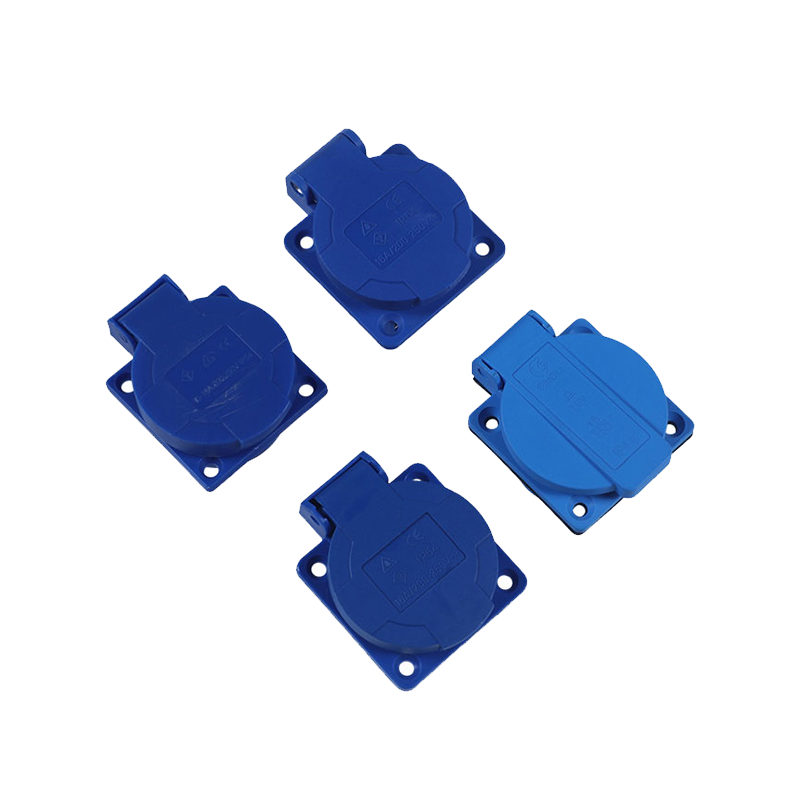 Industrial Waterproof Socket
Description: Outdoor waterproof socket boxes are used in outdoor construction sites, fact...
Metal Back Waterproof Socket Boxes feature a sturdy galvanized steel or stainless steel backplate combined with flame-retardant plastic front panels. Designed for heavy-duty industrial environments, they offer IP66 protection, excellent impact resistance, and reliable insulation. With optimized internal wiring layouts, they support multiple industrial socket configurations for 16A, 32A, and 63A devices, ensuring stable and safe power supply in construction sites, ports, tunnels, and outdoor equipment areas.
Message Feedback
About Us
Zhejiang Mingtuo Electrical Technology Co., Ltd.
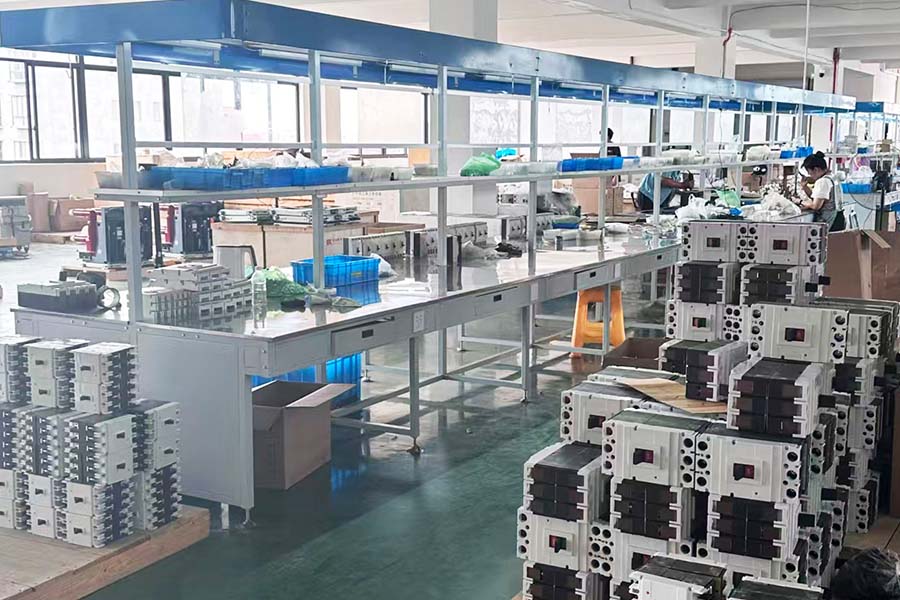
Zhejiang Mingtuo Electrical Technology Co., Ltd. is a technology-driven enterprise specializing in the research, development, and manufacturing of low-voltage and medium-voltage circuit breakers. Leveraging Liushi's comprehensive electrical industry chain and local advantages, we provide reliable and safe electrical protection products along with customized solutions for global industrial, commercial, and residential power distribution systems.
Metal Back Waterproof Socket Box Suppliers and Metal Back Waterproof Socket Box Company in China. Our products are exported to over 30 countries worldwide, including Europe, the Middle East, Southeast Asia, and Africa. Our diverse clientele encompasses power distribution cabinet manufacturers, engineering contractors/EPC firms, electrical distributors and agents, system integrators, and OEM customers. We provide our partners with a comprehensive one-stop service, spanning from technical support, solution alignment, and prototype development to mass production delivery. Metal Back Waterproof Socket Box Custom.
We are committed to becoming a trusted electrical protection partner for global customers through professional engineering capabilities, consistent manufacturing quality, and flexible customization services.
Metal Back Waterproof Socket Box Suppliers and Metal Back Waterproof Socket Box Company in China. Our products are exported to over 30 countries worldwide, including Europe, the Middle East, Southeast Asia, and Africa. Our diverse clientele encompasses power distribution cabinet manufacturers, engineering contractors/EPC firms, electrical distributors and agents, system integrators, and OEM customers. We provide our partners with a comprehensive one-stop service, spanning from technical support, solution alignment, and prototype development to mass production delivery. Metal Back Waterproof Socket Box Custom.
We are committed to becoming a trusted electrical protection partner for global customers through professional engineering capabilities, consistent manufacturing quality, and flexible customization services.
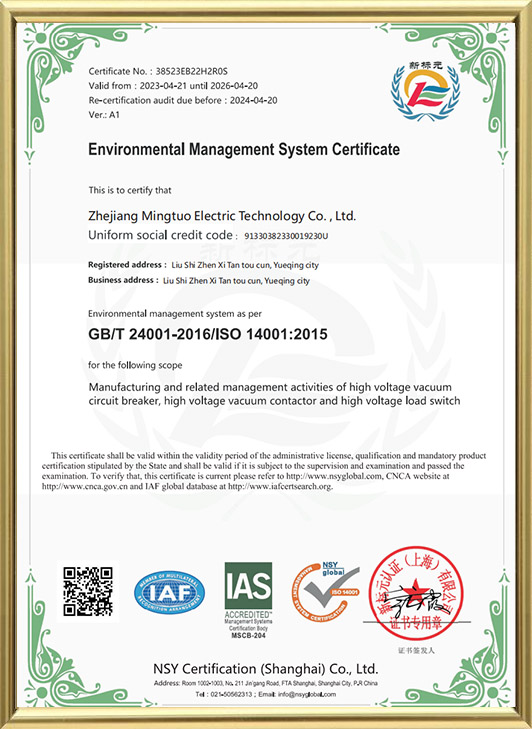
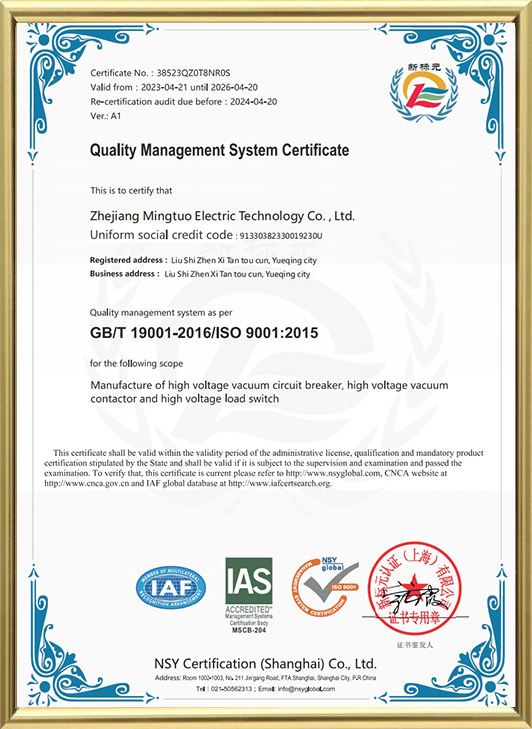
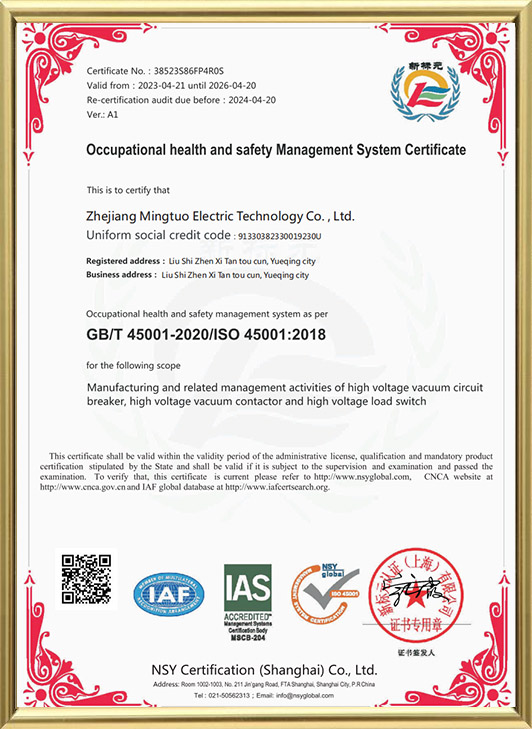
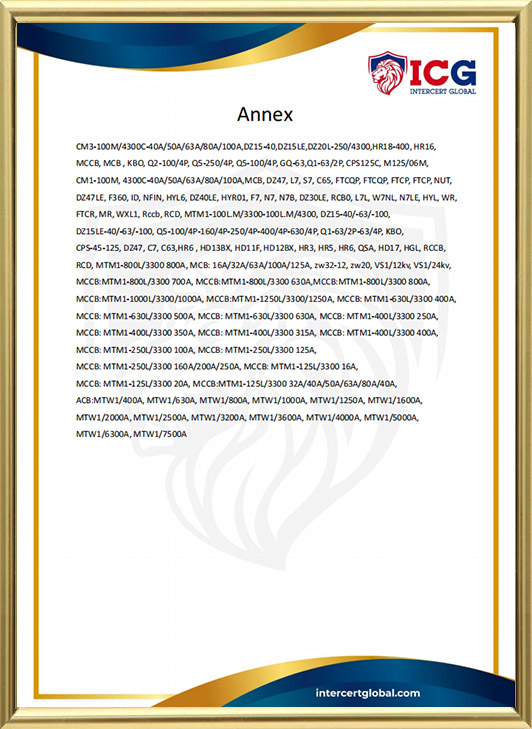
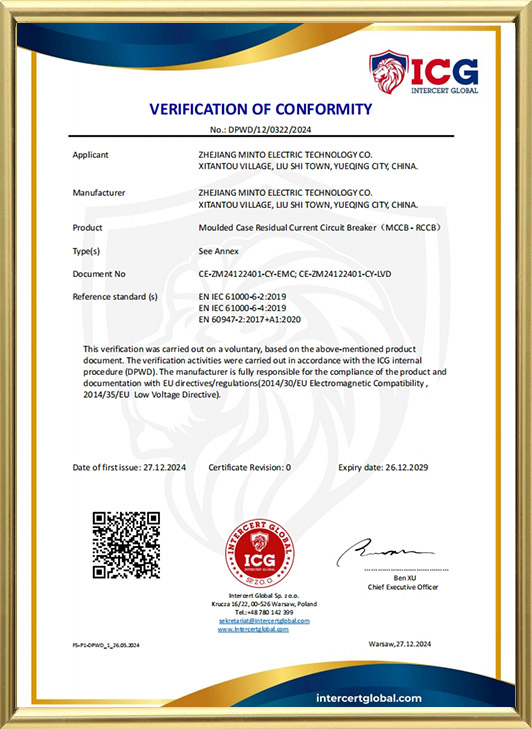
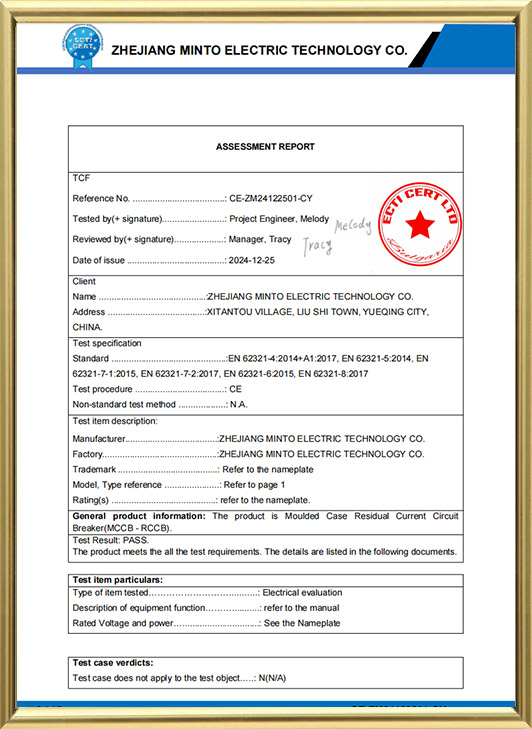
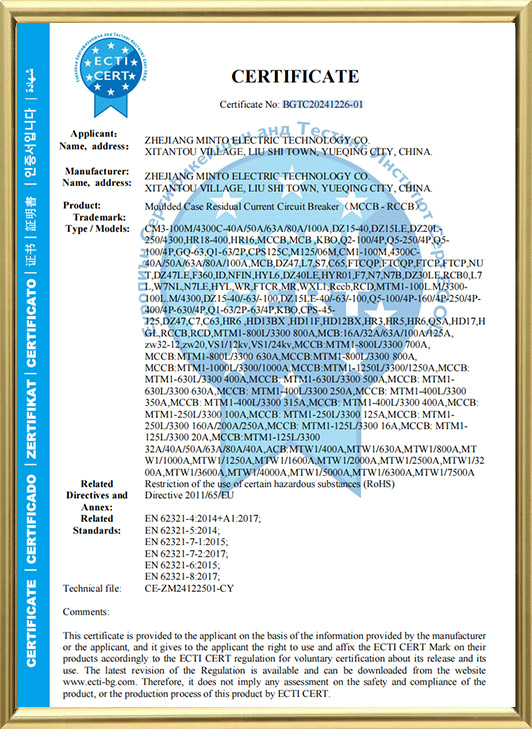
Certificate
News
-
What Is a Vacuum Circuit Breaker and How Does It Work? A vacuum circuit breaker (VCB) is a switching and protection device used primarily in medium voltage electrical distribution systems — typically in the range of 1kV to 38kV — that interrupts fault currents and isolates electrical circuits by ext...
Read More -
Amid the global cross-border e-commerce "New Trade Festival" in full swing this March, Mingtuo Electric has officially launched its "March Expo" promotional campaign. The event showcases the company's flagship product series, offering competitive professional electrical solutions and exclusive procu...
Read More -
What Circuit Breakers Do and Why Choosing the Right One Matters A circuit breaker is an automatic protective switching device that detects abnormal electrical conditions — overcurrent, short circuit, or earth fault — and interrupts current flow before equipment is damaged or personnel are endangere...
Read More
Industry knowledge
What IP66 Actually Means for Industrial Socket Boxes — and Why It Matters on Site
IP (Ingress Protection) ratings follow the IEC 60529 standard and consist of two digits: the first covers solid particle ingress, the second covers liquid ingress. IP66 means total dust exclusion (6) and protection against powerful water jets from any direction (6) — a combination that makes it one of the most practical ratings for exposed outdoor and industrial environments.
For a metal back waterproof socket box installed at a construction site, port berth, or tunnel entrance, IP66 is not over-specification. Wind-driven rain, high-pressure cleaning of equipment nearby, and fine concrete or mineral dust are routine conditions in these settings. A lower rating like IP44 (splash-proof, partial dust resistance) would leave the internal wiring and contact surfaces vulnerable over time.
Key practical implications of IP66 for socket boxes:
- Gasket material and compression design are critical — degraded seals are the most common cause of field IP rating failures; check that the product uses neoprene or EPDM gaskets rated for UV and temperature cycling.
- Cable entry glands must be individually rated to maintain the enclosure's IP class; an IP66 box fitted with ungasketed cable entries is no longer IP66.
- Hinged lids with over-centre latching mechanisms hold the seal under pressure better than simple magnetic or friction closures.
- Re-verify IP integrity after any field modification — cutting extra knockouts or substituting glands resets the compliance burden to the installer.
Our metal back waterproof socket boxes are tested and certified to IP66, with EPDM perimeter gaskets and pre-fitted gland plates — so contractors don't have to second-guess field compliance.
Galvanized Steel vs. Stainless Steel Backplates: Choosing the Right Metal for the Environment
The metal backplate in a waterproof socket box serves two functions: structural rigidity that resists impact and deformation, and a grounding/bonding reference for the internal wiring assembly. The choice of metal significantly affects service life depending on the installation environment.
| Factor | Hot-Dip Galvanized Steel | 304 Stainless Steel | 316 Stainless Steel |
|---|---|---|---|
| Corrosion resistance | Good in dry/inland industrial | Good in most environments | Excellent in marine/chloride-rich |
| Impact resistance | High | High | High |
| Relative cost | Lower | Medium | Higher |
| Suitable for food/pharma wash-down | No | Conditional | Yes |
| Typical service life (outdoor, moderate climate) | 15–25 years | 25+ years | 25+ years |
For inland construction sites and tunnel applications, galvanized steel backplates offer the best cost-to-durability ratio. Port and offshore installations, or any environment with salt spray or chemical cleaning agents, warrant the upgrade to stainless steel. We offer both options and can advise based on your specific site classification — just share the environmental zone and we'll recommend accordingly.
Industrial Socket Current Ratings: Matching 16A, 32A, and 63A Configurations to Load Requirements
Selecting the wrong current rating for an industrial socket is one of the more common and costly mistakes in temporary or permanent power distribution planning. Undersized sockets cause nuisance tripping and contact overheating; oversized sockets introduce unnecessary cost and, in some configurations, a false sense of security if upstream protection isn't matched.
How to Read Load Requirements Before Specifying
- Resistive loads (heaters, lighting): rated current is roughly the operating current. A 3kW, 230V heater draws ~13A — a 16A socket is appropriate.
- Motor loads (pumps, compressors, conveyors): starting current can be 5–7× the rated current for up to several seconds. A motor rated at 7.5kW / 400V three-phase draws ~15A running but may pull 75–90A on start. A 32A socket serves continuous load; the upstream breaker must handle the inrush.
- Welding equipment: duty cycle matters more than peak draw. A 63A socket is standard for professional MIG/TIG welders at construction sites; intermittent duty means the cable and socket rarely see sustained full load.
IEC 60309 Pin Configuration and Physical Keying
Industrial sockets in this class follow IEC 60309 (CEE standard), where colour and pin position encode voltage and current rating, physically preventing incorrect connections:
- Yellow (110V), Blue (230V single-phase), Red (400V three-phase) — the colour is the first on-site check before any electrical test.
- The keying notch (h-position) indicates the voltage; different hour positions prevent, for example, a 110V plug being inserted into a 230V socket.
- Our metal back waterproof socket boxes support single or multi-gang configurations combining different ratings in one enclosure — useful for plant rooms or equipment bays where multiple load types are served from a single distribution point.
Internal Wiring Layout and Heat Management Inside Enclosed Socket Boxes
A metal back waterproof socket box is an enclosed environment. Unlike open cable trays or trunking, heat generated by conductors and contact resistance has limited paths for dissipation. This has direct implications for cable sizing and wiring layout that are often underestimated in field installations.
Derating Cables Inside Enclosures
IEC 60364 and equivalent national standards require current-carrying capacity (CCC) to be derated when cables are bundled or enclosed. A cable rated at 32A in free air may need to be derated to 24–27A inside a closed box, depending on the number of loaded conductors and ambient temperature. Ignoring this is a compliance issue and a thermal risk.
Practical rules for in-box wiring:
- Use the next cable cross-section size up when routing more than three loaded conductors inside the enclosure — e.g., move from 4mm² to 6mm² for 32A circuits in a multi-socket box.
- Avoid coiling excess cable inside the box; a tight coil of 2m of 6mm² cable generates measurable additional heat under full load.
- Position higher-load sockets (63A) at the bottom of the enclosure where thermal stratification is lower, and route their tails as directly as possible to the terminal block.
- Check terminal tightening torque values — loose connections are the leading cause of in-box hot spots. Most industrial socket terminals specify 2.5–4 Nm; use a calibrated torque screwdriver.
Flame-Retardant Front Panels and Thermal Runaway Containment
The flame-retardant plastic front panel on a metal back socket box is not just a regulatory checkbox. In the event of a wiring fault or arcing inside the enclosure, a V-0 rated (UL 94) front panel will self-extinguish within 10 seconds and will not propagate flame to adjacent surfaces — a critical factor when socket boxes are mounted on timber hoarding, cable trays, or inside temporary site buildings. Verify that the front panel material carries a declared UL 94 V-0 or equivalent IEC 60695-11-10 rating, not just a generic "fire-resistant" claim.
With our complete manufacturing chain — from component processing through to final assembly under 7S management — we control both the backplate fabrication and the front panel moulding in-house, which means flame-retardant specification is applied and verified at production rather than assumed from a sub-supplier's datasheet.
Zhejiang Mingtuo Electrical Technology Co., Ltd. All Rights Reserved.
Metal Back Waterproof Socket Box Suppliers Custom Metal Back Waterproof Socket Box Company
