 English
 Français
 Español
 عربى
عربىIndustry News
Home / News / Industry News / How Do You Choose the Right Air Circuit Breaker for Low-Voltage Distribution Systems?


Content
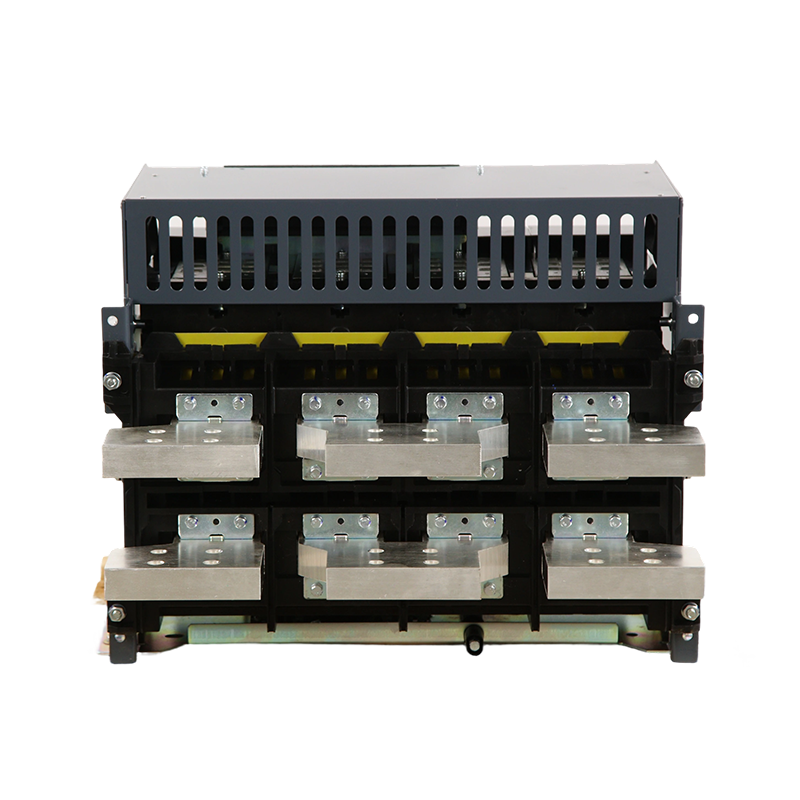
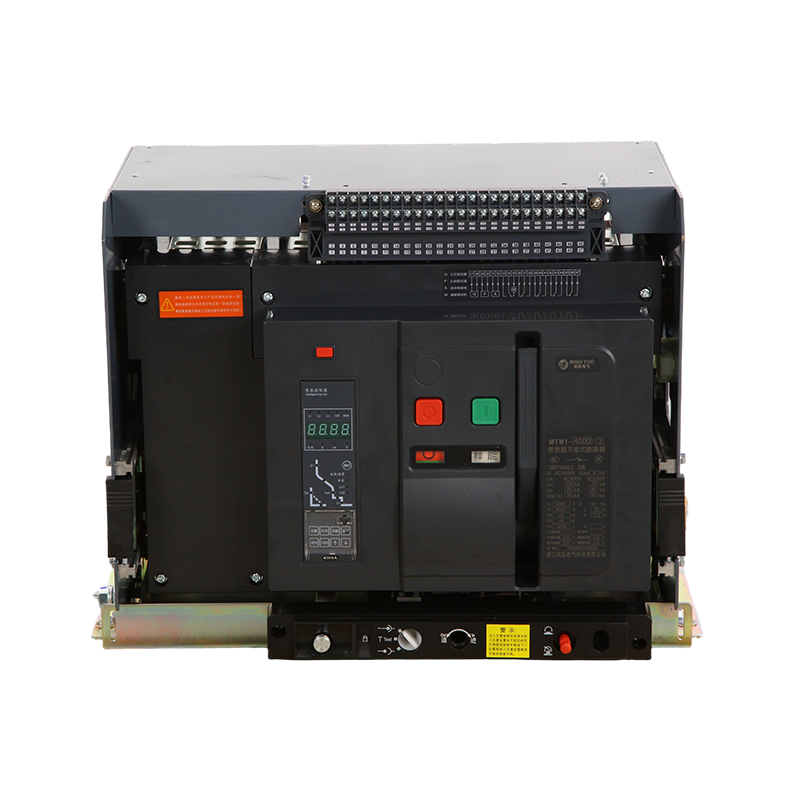
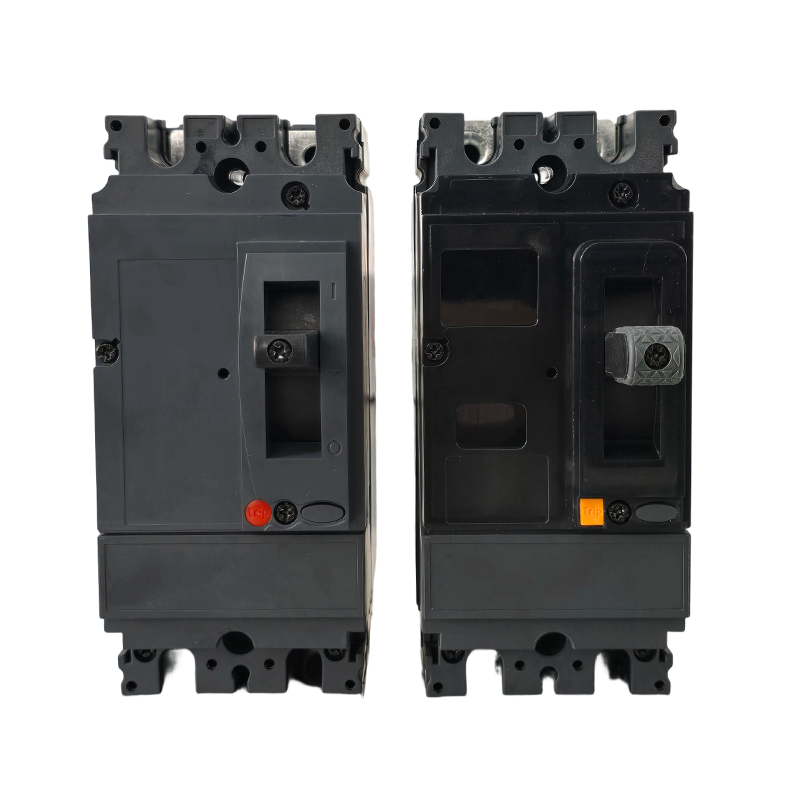
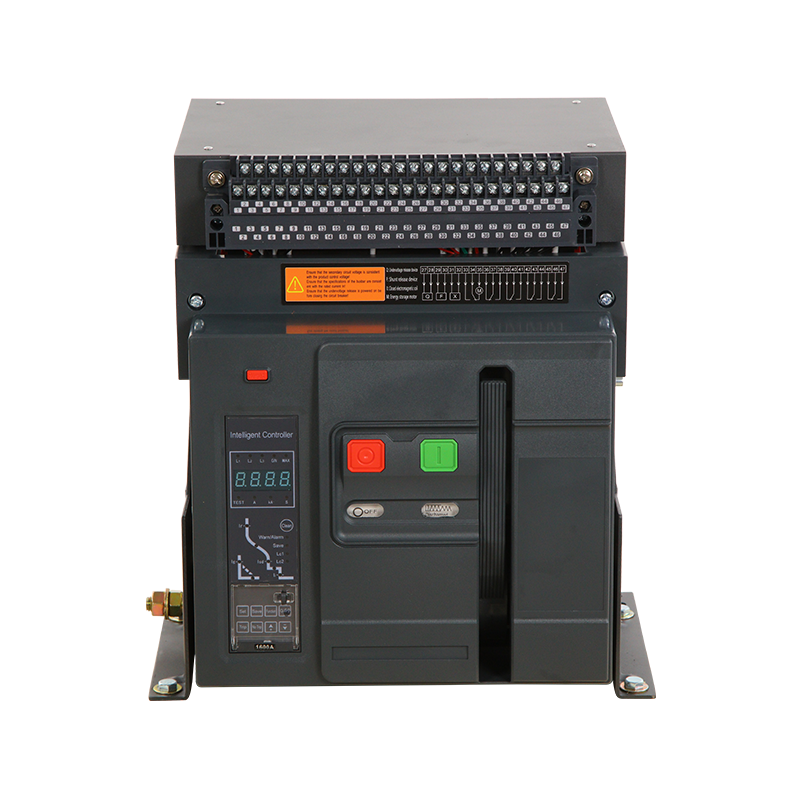
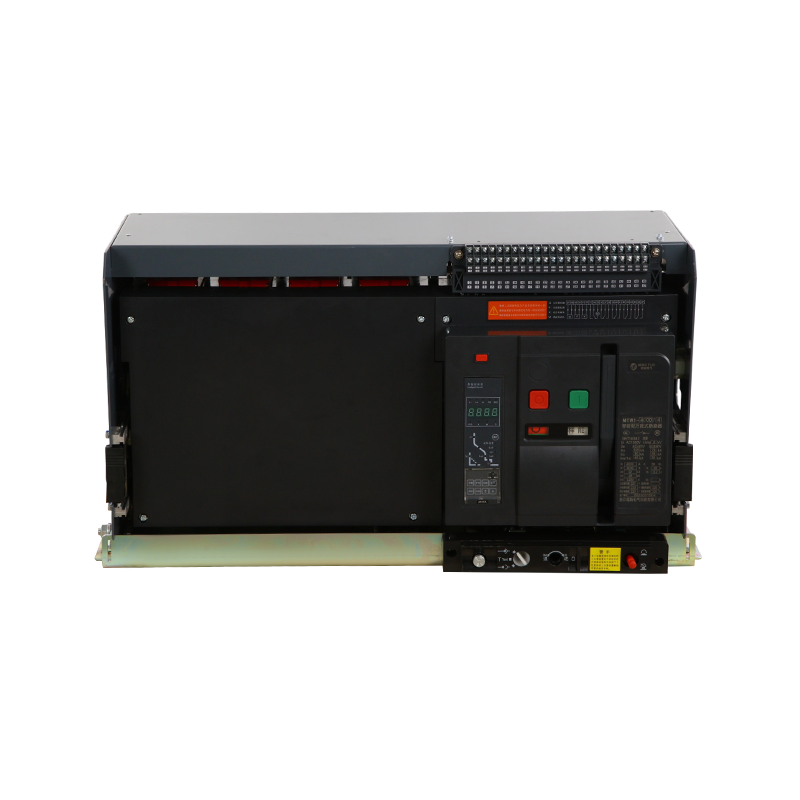
An air circuit breaker (ACB) is a switching and protective device used in low-voltage electrical distribution systems, typically rated for voltages up to 1,000V AC and current capacities ranging from 630A to 6,300A or higher. Unlike molded case circuit breakers (MCCBs), which use a compact insulated housing, ACBs operate with their arc-extinguishing mechanism exposed to the surrounding air — hence the name. When the breaker interrupts a fault current, the arc drawn between the opening contacts is elongated, cooled, and extinguished by a series of arc chutes or splitter plates, using air as the insulating and quenching medium.
ACBs are the preferred protection device at the top of low-voltage distribution hierarchies — typically at the main incoming supply panel, bus coupler positions, and large feeder circuits in industrial plants, commercial buildings, data centers, hospitals, and utility substations. Their ability to carry extremely high continuous currents, interrupt short-circuit currents up to 100kA or more, and be equipped with sophisticated electronic trip units makes them indispensable where reliable, adjustable, and maintainable overcurrent protection is required. Unlike fuses, ACBs can be reset after a trip, and unlike smaller circuit breakers, they can be maintained, tested, and retested in service without replacement.
Understanding the arc interruption process inside an ACB is essential for appreciating why proper selection and maintenance matter so much in low-voltage distribution applications. When a fault condition occurs — such as a short circuit or sustained overload — the trip unit signals the operating mechanism to rapidly separate the main contacts. The separation of current-carrying contacts under load immediately creates an electric arc, which can sustain current flow even after the contacts have physically parted.
Inside the ACB, the arc is forced upward into an arc chute assembly by magnetic blowout forces generated by the fault current itself. The arc chute consists of a series of steel splitter plates that divide the single arc into multiple shorter arcs in series. Each arc segment requires a minimum voltage to sustain itself; when the combined voltage requirement of all arc segments exceeds the available system voltage, the arc is extinguished and current flow ceases. The entire interruption process in a modern ACB occurs within one to two half-cycles of the AC waveform — typically 10 to 20 milliseconds — limiting the thermal and mechanical stress imposed on downstream equipment during fault conditions.
Selecting the correct ACB for a low-voltage distribution application requires a thorough understanding of the relevant electrical ratings. Specifying an undersized breaker risks catastrophic failure during a fault; oversizing can result in unnecessary cost, poor coordination with downstream devices, and nuisance tripping behavior.
| Rating Parameter | Definition | Typical Range for LV ACBs |
| Rated Current (In) | Maximum continuous current the ACB can carry at rated temperature | 630A – 6,300A |
| Rated Voltage (Ue) | Maximum operating voltage the ACB is designed for | Up to 1,000V AC / 1,500V DC |
| Ultimate Breaking Capacity (Icu) | Maximum fault current the ACB can interrupt (tested once, then replaced) | 42kA – 150kA |
| Service Breaking Capacity (Ics) | Fault current the ACB can interrupt and remain serviceable afterward | 75% – 100% of Icu |
| Rated Short-Time Withstand (Icw) | Fault current the ACB can carry for a defined duration without tripping | Up to 85kA for 1 second |
| Number of Poles | 3-pole or 4-pole configuration | 3P (three-phase) / 4P (with neutral) |
One parameter that deserves particular attention in low-voltage distribution design is the rated short-time withstand current (Icw). In systems where selectivity — also called discrimination — is a design objective, the upstream ACB must be capable of carrying the full fault current for the time required for a downstream device to clear the fault. An ACB with a high Icw rating can intentionally delay its own trip response without sustaining internal damage, preserving supply continuity to unaffected circuits while the downstream breaker operates.
The trip unit is the brain of a modern air circuit breaker. Early ACBs used thermal-magnetic trip mechanisms — bimetallic strips for overload detection and electromagnetic coils for short-circuit response — which provided limited adjustability and no data output. Contemporary ACBs are equipped with electronic trip units (ETUs) that offer precise, independently adjustable protection functions, data logging, and communication capabilities that integrate directly with building management and power monitoring systems.
A fully specified electronic trip unit in a low-voltage ACB typically includes the following independently adjustable protection zones:
Higher-tier electronic trip units extend beyond basic protection to include zone selective interlocking (ZSI), which allows ACBs at different levels of a distribution hierarchy to communicate with each other and optimize trip timing dynamically. With ZSI, when a downstream breaker detects a fault and sends a restraint signal to the upstream ACB, the upstream device extends its short-time delay — ensuring the downstream breaker clears the fault first. If the downstream breaker fails to clear the fault within the delay period, the upstream ACB trips immediately without waiting for the full delay time to expire. This architecture simultaneously achieves fast fault clearance and maximum selectivity, reducing arc flash energy while maintaining supply to unaffected feeders.
Air circuit breakers for low-voltage distribution are available in two primary installation configurations — fixed and withdrawable — and the choice between them significantly affects maintenance capability, system availability, and total installation cost.
Fixed ACBs are bolted directly into the switchboard or distribution panel and cannot be removed from the panel without de-energizing and disconnecting the busbars. They are lower in cost and suitable for applications where maintenance access is infrequent and planned outages are acceptable. Withdrawable ACBs are mounted on a carriage mechanism that allows the breaker to be racked out from its live contacts while the busbar remains energized — a critical capability in facilities where power continuity is essential. In the withdrawn position, the ACB can be tested, inspected, and serviced without shutting down the distribution board. Hospitals, data centers, and process industries that cannot tolerate unplanned outages almost universally specify withdrawable ACBs for their main and bus coupler positions.
Selective coordination — ensuring that only the protective device closest to a fault operates while all upstream devices remain closed — is a fundamental design objective in low-voltage distribution systems. Poorly coordinated systems cause upstream breakers to trip in response to downstream faults, blacking out entire distribution boards and leaving large portions of a facility without power even though the fault was localized to a single circuit.
Achieving full selectivity between ACBs in a low-voltage distribution hierarchy requires careful evaluation of the time-current characteristics of each device at every fault level. Coordination is confirmed by comparing the maximum tripping time of the downstream device with the minimum non-tripping time of the upstream device across the full range of fault currents from nominal overload up to the prospective short-circuit current at each point in the system. Modern power system design software from manufacturers such as Schneider Electric, ABB, and Siemens includes selectivity analysis tools that automate this process and generate selectivity tables confirming coordination margins for regulatory and commissioning documentation.
Proper installation and ongoing maintenance are essential to ensuring that an air circuit breaker performs as specified when a fault occurs. An ACB that has never been tested or maintained since installation may fail to trip at the correct current level — or fail to trip at all — due to mechanism wear, contact oxidation, or electronic trip unit drift.
The global market for low-voltage air circuit breakers is served by several major manufacturers whose products are widely specified in industrial and commercial distribution projects. Understanding what differentiates these brands helps electrical engineers and procurement teams make informed decisions that balance performance, local support, and long-term parts availability.
Schneider Electric's MasterPact MTZ series represents one of the most advanced ACB platforms currently available, featuring an embedded IoT module that provides continuous real-time monitoring of thermal load, contact wear, and trip history directly accessible via EcoStruxure Power. ABB's Emax 2 series offers comparable monitoring depth through the Ekip Connect ecosystem and is particularly well regarded for its high Icw ratings and compact form factor in the upper current range. Siemens 3WL air circuit breakers are a strong choice in industrial applications requiring robust short-circuit withstand performance, with Icw ratings up to 85kA for one second and a modular electronic trip unit platform that supports straightforward field upgrades as system protection requirements evolve. For projects in Asian markets, Chint Electric and Delixi offer competitively priced ACB platforms that meet IEC 60947-2 standards and provide adequate performance for standard industrial distribution applications where premium monitoring features are not required.
Zhejiang Mingtuo Electrical Technology Co., Ltd. All Rights Reserved.
Electrical Protection Circuit Breakers Medium Voltage Circuit Breakers Manufacturers Low Voltage Circuit Breakers Factory
